
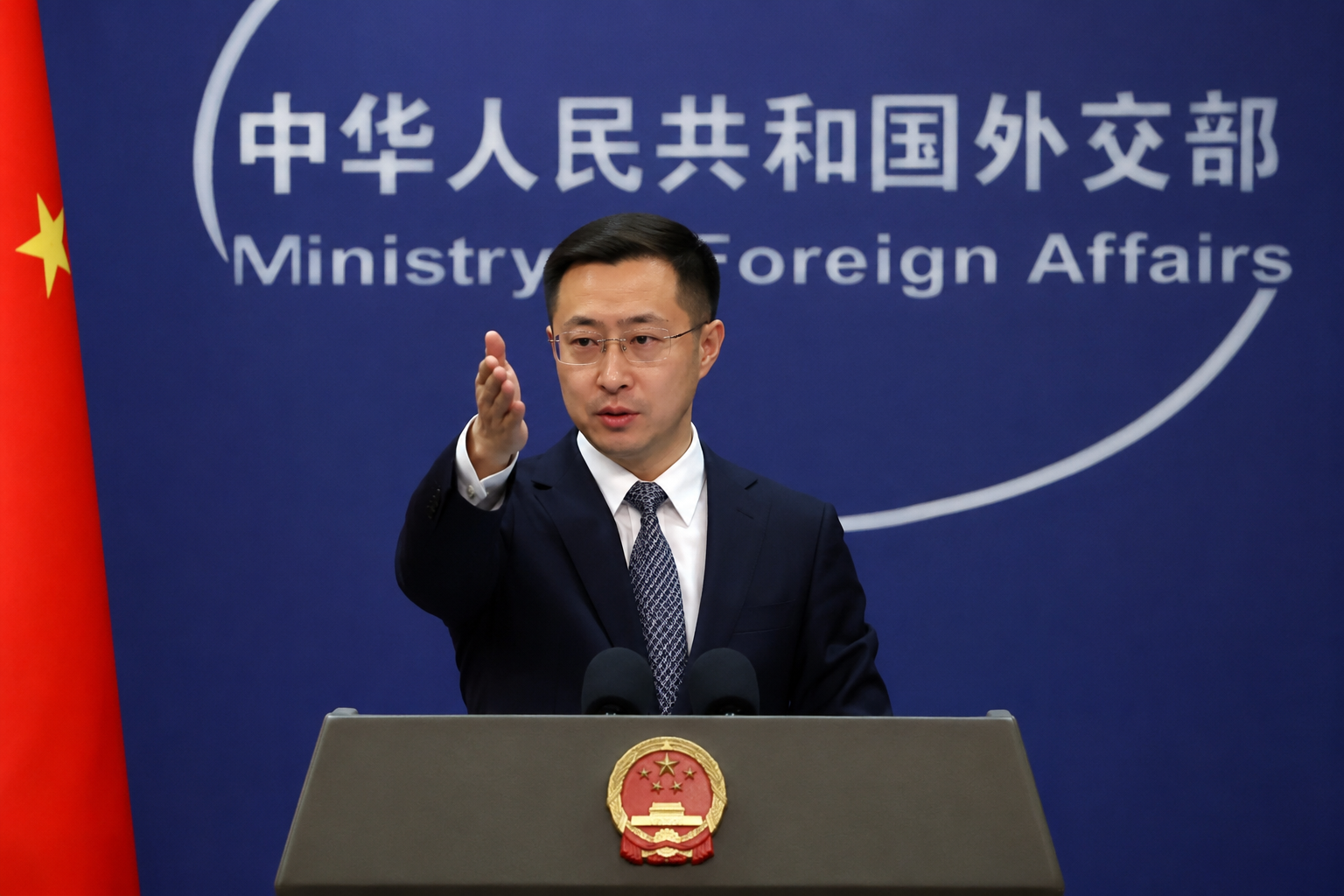
China has announced that it will provide humanitarian aid to Iran and Lebanon to help both countries recover from the damage caused by recent conflicts. The announcement was made by Chinese Foreign Ministry spokesperson Lin Jian during a press briefing in Beijing.
According to Chinese officials, the aid package is intended to support reconstruction efforts, improve living conditions, and assist communities that have suffered from the effects of war. China said it was deeply concerned by the humanitarian situation in both countries and wanted to help people rebuild their lives.
Speaking to reporters, Lin Jian said China was saddened by the suffering caused by the conflicts in Iran and Lebanon. He noted that many people have faced difficult conditions due to damaged infrastructure, economic challenges, and disruptions to daily life.
The Chinese government stated that the assistance would focus on recovery and reconstruction projects. These efforts may include rebuilding damaged facilities, restoring essential services, and supporting economic activities that help local communities recover. Chinese officials also emphasized the importance of improving livelihoods and helping affected families return to normal life.
This is not the first time China has offered support to Iran during the recent conflict. Earlier in the year, Beijing sent humanitarian assistance to Tehran after fighting caused significant damage and humanitarian concerns. The latest announcement marks the second major aid package that China has provided to Iran since the conflict began.
China has increasingly presented itself as a supporter of diplomatic solutions to international conflicts. Chinese leaders have repeatedly called for dialogue, peaceful negotiations, and political agreements to resolve disputes. The latest aid package reflects Beijing’s broader effort to contribute to stability and recovery in regions affected by war.
The announcement comes at an important moment in international diplomacy. Recent negotiations between the United States and Iran have led to a memorandum of understanding aimed at ending hostilities between the two countries. The agreement was reportedly facilitated by Pakistan, which played a role in helping both sides reach common ground during talks.
Officials involved in the negotiations have described the memorandum as an important step toward reducing tensions and preventing further escalation. The document outlines commitments intended to support peace efforts and create a framework for future cooperation.
A formal signing ceremony for the agreement is expected to take place in Switzerland on Friday. International observers are closely watching the event, viewing it as a significant development in efforts to bring stability to the region.
The conflicts in Iran and Lebanon have had serious humanitarian consequences. Many communities have experienced destruction of homes, businesses, roads, and public facilities. Families in affected areas have faced economic hardship, displacement, and uncertainty about the future.
In Lebanon, particularly in southern regions, residents have been returning to towns and villages damaged by months of violence. Many have found their homes destroyed or severely damaged. Local businesses have also struggled to recover after suffering losses during the conflict.
Similarly, parts of Iran have faced challenges resulting from military operations and related disruptions. Communities have required assistance to restore essential services and rebuild damaged infrastructure. Humanitarian organizations have warned that recovery could take years in some areas without continued support from the international community.
China's aid announcement has been welcomed by some observers as a contribution to ongoing recovery efforts. Humanitarian assistance can help provide immediate relief while also supporting long-term rebuilding projects. Experts note that reconstruction requires significant financial resources and international cooperation, especially in areas where infrastructure has been heavily damaged.
The aid also highlights China’s growing involvement in international humanitarian and development efforts. Over the past decade, Beijing has expanded its role in providing assistance to countries affected by disasters, economic crises, and armed conflicts. Chinese officials often describe these efforts as part of their commitment to promoting global development and stability.
While details about the exact amount of aid have not yet been publicly disclosed, Chinese authorities said the assistance would be designed to address practical needs in both Iran and Lebanon. Officials indicated that they would continue assessing conditions on the ground and coordinate with relevant partners to ensure the aid reaches affected communities.
The announcement comes as hopes for a broader regional de-escalation continue to grow. Diplomats and international organizations have emphasized that humanitarian support and political dialogue must work together to create lasting peace. Recovery efforts are expected to remain a major priority even if fighting decreases, as communities continue facing the long-term consequences of war.
For many families in Iran and Lebanon, international assistance offers an opportunity to rebuild homes, restore businesses, and regain stability after months of hardship. As reconstruction efforts move forward, the support of foreign governments, aid agencies, and local communities will play an important role in helping affected populations recover and rebuild their futures.
Crisis
China Announces Humanitarian Aid for Iran and Lebanon Following War Damage
Summary
China has announced new humanitarian assistance for Iran and Lebanon, saying it is deeply concerned about the suffering caused by recent conflicts. Chinese officials said the aid will support recovery, reconstruction, and economic improvement in both countries. The announcement comes as diplomatic efforts continue to end the war between the United States and Iran, with a peace agreement expected to be signed in Switzerland later this week.
Content



×
![]()
Comments
Sign in to join the conversation