
The phrase "TACO," which stands for "Trump Always Chickens Out," has recently been used by some political commentators and critics to describe a pattern they see in former U.S. President Donald Trump's actions toward Iran. They argue that Trump often makes very strong public threats but later delays or avoids carrying them out.
Supporters of Trump, however, argue that these threats are part of a negotiation strategy designed to pressure opponents without starting a full-scale war. Whether seen as caution or hesitation, several recent events have led to renewed discussion about this label.
On March 21, Trump warned that the United States could destroy Iran's power plants if Tehran did not fully reopen the Strait of Hormuz, a key waterway through which a large share of the world's oil passes.
He initially gave Iran a deadline to comply. However, instead of taking immediate military action when the deadline expired, Trump extended it by five days and later added another week. Critics said this showed he was backing away from his original threat, while supporters argued he was giving diplomacy more time.
On April 1, Trump increased his warnings by saying the United States could "bomb Iran into the Stone Age" if Iran refused to change its position on the Strait of Hormuz.
Despite the strong language, no military strikes followed. A few days later, on April 5, Trump posted an angry message on Truth Social criticizing Iran for continuing to block the waterway. However, the situation did not immediately escalate into military conflict.
For critics, this was another example of making dramatic threats without following through. Others believed the absence of military action helped avoid a larger regional war.
On April 7, Trump made one of his strongest statements yet, saying that "a whole civilization will die tonight."
The comment caused widespread concern around the world. Human rights organizations warned that such language could be interpreted as a threat against civilians and raised fears of a possible large-scale military attack.
The following day, Pakistan helped broker a fragile ceasefire, reducing tensions between the two sides. No major military operation took place after Trump's statement.
This event further fueled debate over whether Trump's threats were genuine warnings or pressure tactics intended to force negotiations.
On May 4, Trump announced Operation Project Freedom, saying the United States would escort ships trapped in the Strait of Hormuz because of Iran's blockade.
The announcement suggested that the U.S. was preparing for a stronger military role in the region to protect international shipping and global trade.
However, just two days later, Trump posted on Truth Social that the operation had been paused while the United States waited to see if an agreement with Iran could be reached.
Once again, critics described the move as another example of Trump backing away from earlier promises of force. Supporters argued that pausing the operation showed a willingness to give diplomacy a chance before using military power.
On June 11, Trump issued another warning, saying the United States could hit Iran "VERY HARD." He reportedly mentioned the possibility of seizing Kharg Island, Iran's main oil export terminal, and taking control of important oil facilities.
The comments suggested that the United States was considering one of its strongest actions yet against Iran's economy.
However, only hours later, Trump changed his position. He said the United States was in discussions with senior Iranian officials and suggested that diplomacy should continue instead of immediate military action.
For many observers, this sudden change reinforced the idea that Trump often steps back after making aggressive statements.
Why the Term "TACO" Is Being Used
The nickname "Trump Always Chickens Out" has been used mainly by Trump's political opponents and some media commentators. They argue that Trump repeatedly threatens military action or severe punishment but later delays or avoids carrying it out.
They believe these examples show a pattern of making bold statements without taking the promised action.
On the other hand, Trump's supporters reject the nickname. They argue that avoiding war is a sign of responsible leadership and that strong public threats can pressure opponents into negotiations without risking American lives or creating a larger conflict.
Supporters also point out that diplomacy and economic pressure are often more effective than military action.
Different Views
The debate over Trump's approach to Iran continues.
Critics say repeatedly making serious threats and then backing away can weaken U.S. credibility because other countries may stop believing future warnings.
Supporters argue that threatening force while keeping diplomatic options open is a practical strategy that can reduce the chances of war while still putting pressure on opponents.
The events from March through June have become central examples in this debate, with each side interpreting the same actions very differently.
Conclusion
Trump's recent dealings with Iran have sparked strong reactions both inside the United States and internationally. Several times, he issued powerful warnings about possible military action, but in each case, the threatened action was delayed, paused, or replaced by further negotiations.
These incidents have led critics to popularize the term "TACO", while supporters say the same decisions demonstrate careful leadership that avoids unnecessary conflict.
Whether these actions represent strategic diplomacy or repeated retreats remains a matter of political opinion, but they have become an important part of the discussion surrounding Trump's foreign policy toward Iran.
Politics
How Many Times Has Trump Threatened Iran and Then Backed Down?
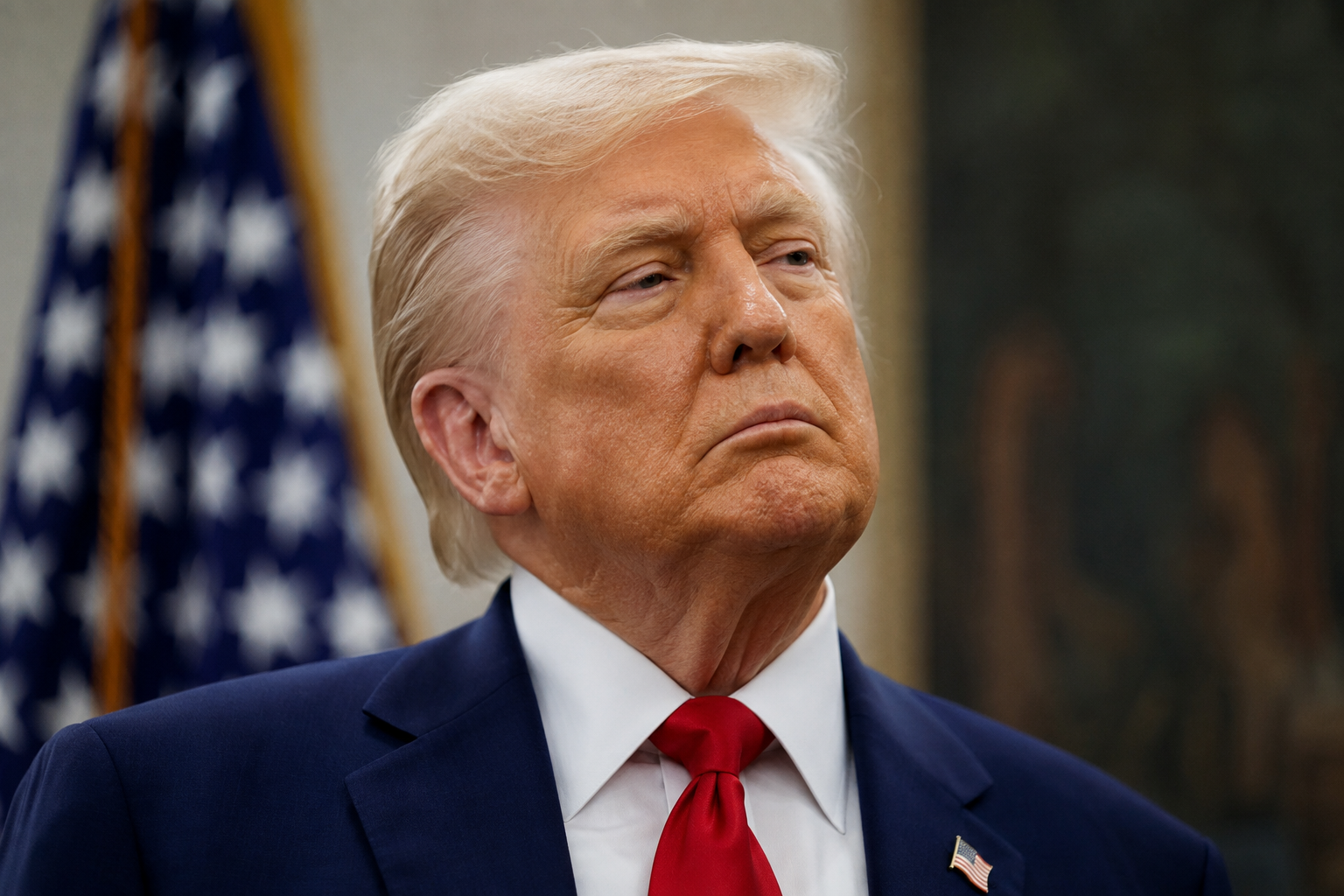
Summary
The term "TACO" (Trump Always Chickens Out) has become popular among some critics who believe Donald Trump often makes strong threats against Iran but later delays, softens, or cancels military action. Here are several examples from recent months where Trump warned of major action but later stepped back.
Content

×
![]()
Comments
Sign in to join the conversation