
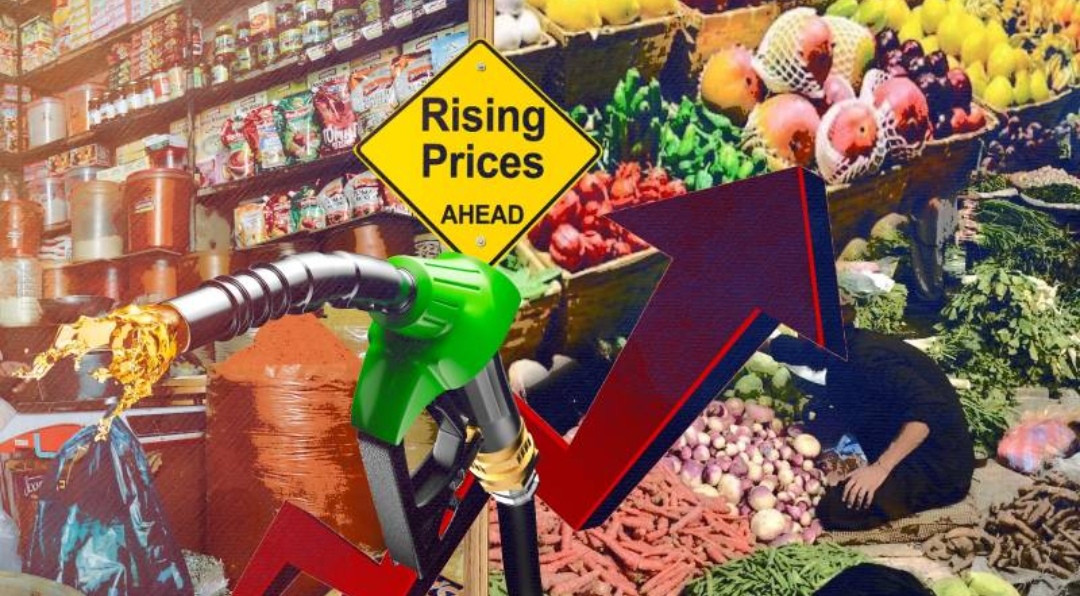
One of the main causes of inflation is the increase in demand for goods and services. When demand becomes higher than supply, prices naturally rise. Another major cause is the rising cost of production, such as fuel, electricity, and raw materials. When companies spend more to produce goods, they increase prices for consumers. Printing more money without economic growth can also lead to inflation.
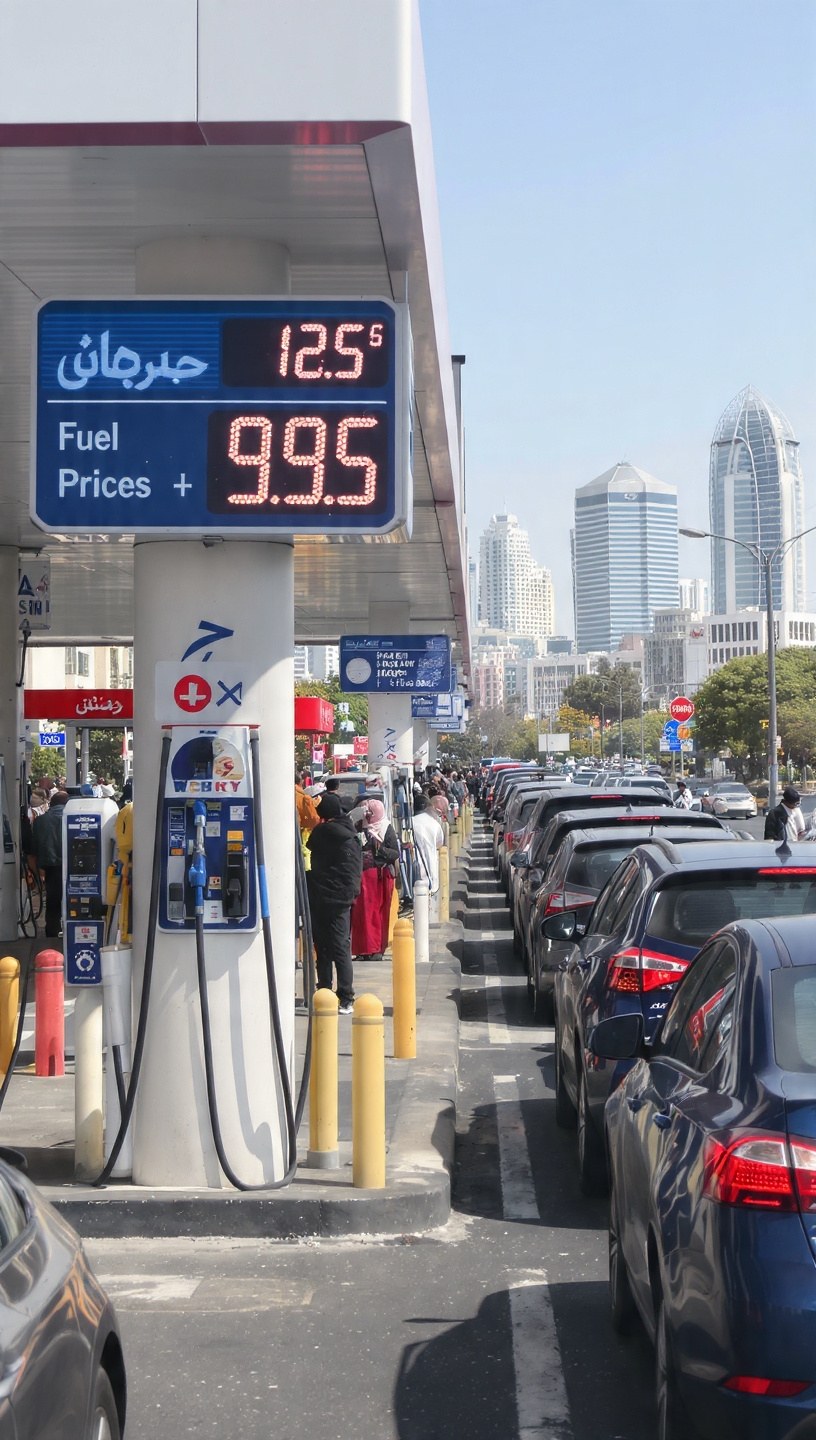
The effects of inflation are widely felt in daily life. For middle and lower-income families, it becomes difficult to manage household expenses. Prices of food, fuel, rent, and education increase, but salaries often do not rise at the same rate. This creates financial pressure and reduces savings. Small businesses also struggle because higher costs can reduce their profit margins and customer demand.
Crisis
Inflation

Summary
Inflation, known as “mehngai” in Urdu, refers to the continuous increase in the prices of goods and services over time. When inflation rises, the purchasing power of money decreases, meaning people can buy fewer things with the same amount of income. Inflation is a common economic issue that affects individuals, families, and entire countries.
Content



×
![]()
Comments
Sign in to join the conversation