
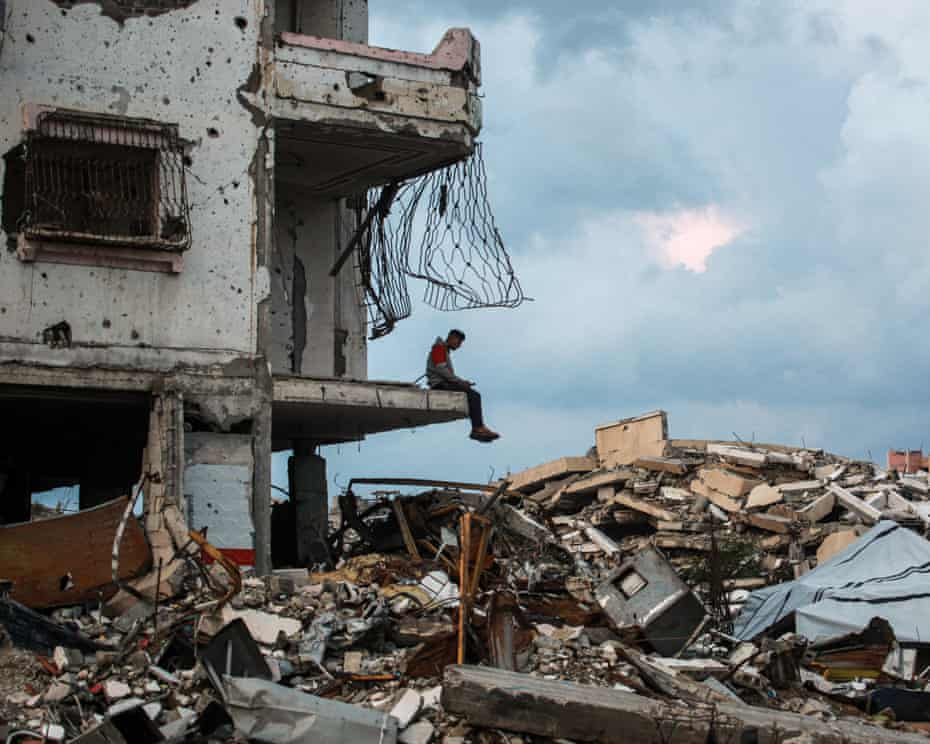
The latest strikes reportedly killed several Palestinians and injured others, with residential areas and temporary shelters also affected. Rescue workers and medical teams responded to the scenes as displaced families searched through damaged buildings for survivors and belongings. Hospital officials warned that the destruction of medical storage facilities could worsen shortages of essential medicines and healthcare supplies.
The humanitarian situation in Gaza remains severe. Hundreds of thousands of civilians continue to face shortages of food, clean water, electricity, and medical care after months of conflict. International aid organizations have repeatedly called for greater protection of civilians and for increased humanitarian access to deliver life-saving assistance.
The renewed violence comes despite ongoing diplomatic efforts aimed at reducing hostilities. International mediators, including the United States and regional partners, continue to push for agreements that could lead to a lasting ceasefire, the release of hostages, and improved humanitarian access. However, differences between the parties have complicated efforts to achieve a durable peace.
The conflict has drawn widespread international attention, with many governments and humanitarian organizations urging all parties to comply with international humanitarian law, protect civilians, and avoid attacks that could further worsen the humanitarian crisis. As the situation continues to evolve, millions of people in Gaza remain affected by displacement, insecurity, and limited access to basic necessities.
Conflict
Israeli Strikes on Gaza Intensify Humanitarian Concerns
Summary
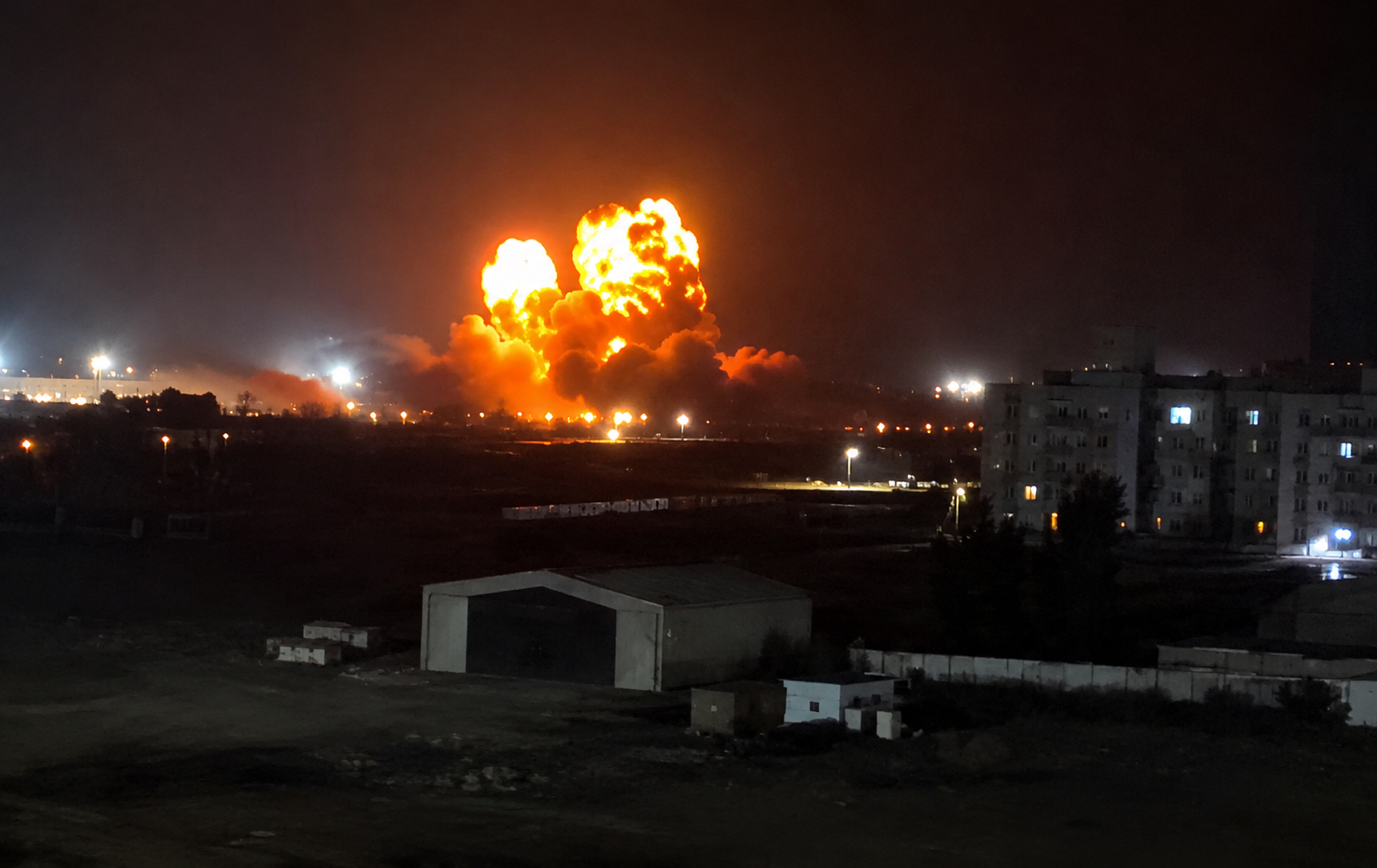
Israeli airstrikes across the Gaza Strip have continued, causing casualties and further damage to civilian infrastructure amid the ongoing conflict. According to recent reports, multiple strikes hit different areas of Gaza, including Deir al-Balah in central Gaza, where medicine storage warehouses near Al-Aqsa Martyrs Hospital were destroyed. Israeli officials said the attacks targeted Hamas militants and military infrastructure, while Palestinian health authorities stated that the warehouses contained vital medical supplies needed for hospitals and patients.
Content

×
![]()
Comments
Sign in to join the conversation