
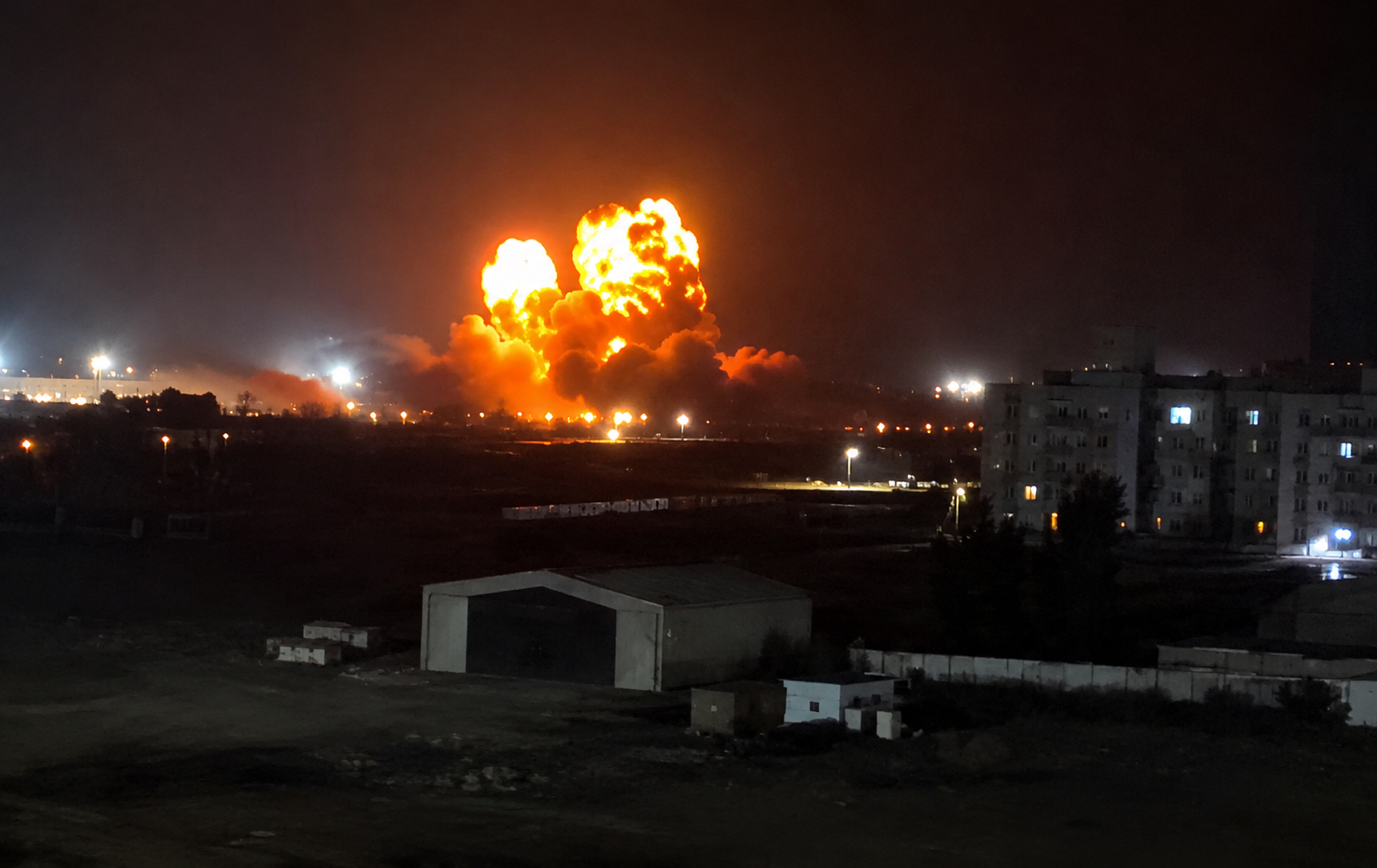
The conflict in Gaza continues to have devastating consequences for civilians. Airstrikes, military operations, and shortages of food, clean water, medicine, and electricity have worsened the humanitarian situation. International organizations have repeatedly called for greater protection of civilians, increased humanitarian aid, and efforts to reduce violence.
Tensions between Israel and regional armed groups, as well as broader rivalries involving countries such as Iran and other regional powers, continue to raise concerns about a wider conflict. Military actions, missile attacks, and diplomatic disputes have increased uncertainty across the region.
The impact of these conflicts extends beyond the Middle East. Global energy markets, international trade routes, and economic stability can all be affected by regional instability. Refugee movements have also placed pressure on neighboring countries and humanitarian organizations.
Many governments and international institutions continue to support negotiations, ceasefire efforts, and humanitarian assistance. However, achieving lasting peace will require dialogue, respect for international law, protection of civilians, and cooperation among regional and global stakeholders.
The future of the Middle East depends on sustained diplomatic efforts, reconstruction, and addressing the underlying political and humanitarian issues that continue to fuel conflict. Peace remains the ultimate goal, but reaching it will require commitment from all parties involved.
Conflict
Ongoing Conflicts in the Middle East

Summary
The Middle East remains one of the most unstable regions in the world, with conflicts continuing to affect millions of people. Fighting in several areas has caused widespread destruction, displaced families, damaged infrastructure, and created serious humanitarian challenges. The region's political divisions, security concerns, and international involvement have made lasting peace difficult to achieve.
Content
×
![]()
Comments
Sign in to join the conversation