
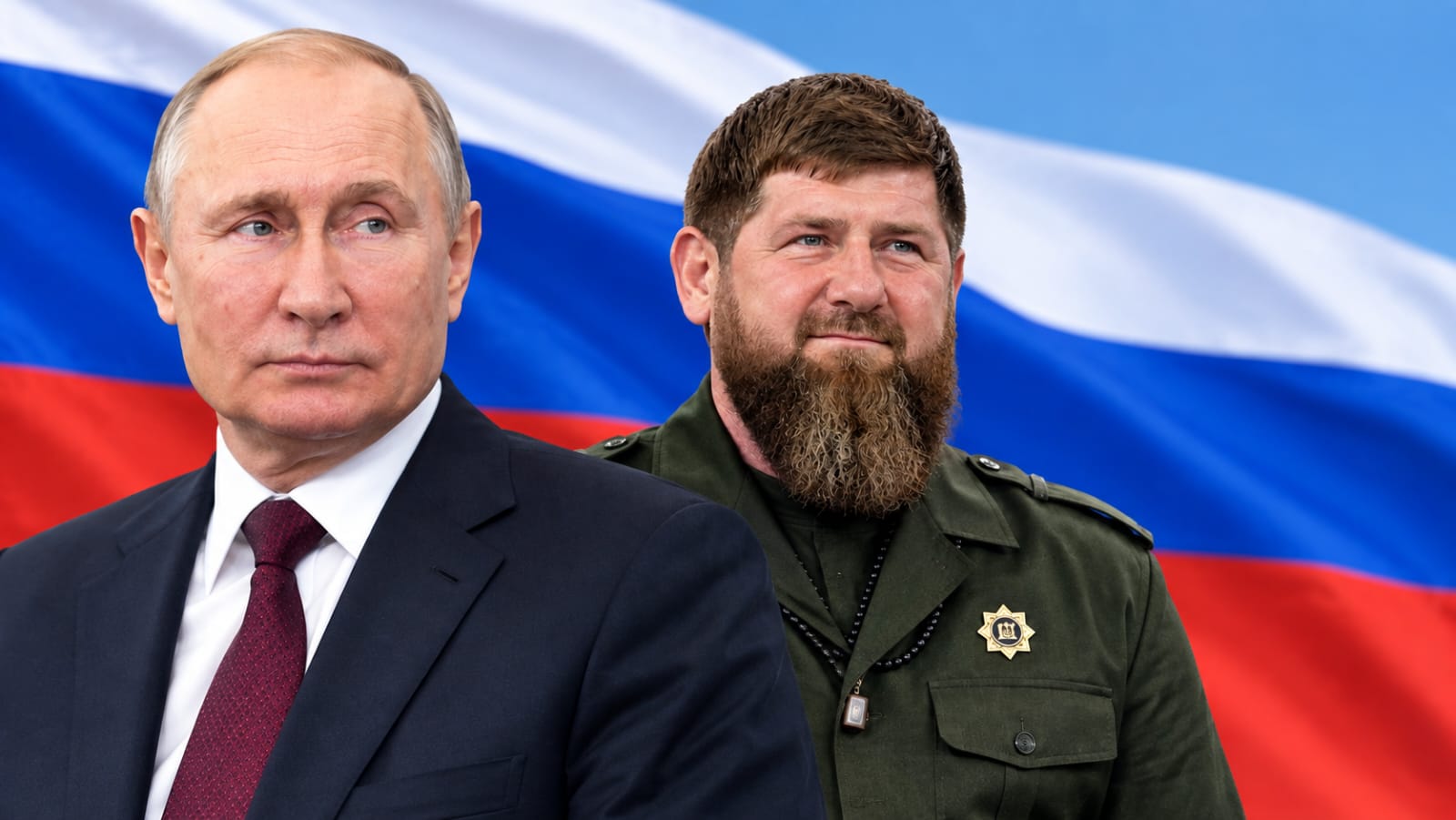
Regional Governors Elected Across Russia
Direct gubernatorial elections were held in eight regions, including Chechnya, Mordovia, Tuva, Belgorod, Bryansk, Penza, Tver and Ulyanovsk regions. Regional legislatures selected leaders in Karachay-Cherkessia and North Ossetia.
Initial results showed incumbent or acting governors and Kremlin-backed candidates leading in the contests. The elections took place at the same time as voting for Russia's State Duma.
Kadyrov Wins Fifth Term in Chechnya
Chechen leader Ramzan Kadyrov secured another term in office, receiving 99.85% of the vote according to the Central Election Commission.
Kadyrov has led Chechnya since 2007 and is a close ally of President Vladimir Putin. His latest result is slightly higher than the 99.73% he officially received in the republic's 2021 election.
Earlier preliminary figures released while only 2.4% of ballots had been counted showed Kadyrov with 97.35%. The figure increased as counting progressed.
Other Regional Leaders Post Strong Results
Preliminary results also showed strong performances by several acting or incumbent regional leaders.
In Bryansk Region, Yegor Kovalchuk was leading with around 69.7% after more than half of the protocols had been processed. In Belgorod Region, Alexander Shuvaev had about 63.4%, while Ulyanovsk Governor Alexei Russkikh was leading with about 77.1%.
Final figures for individual regional contests may differ as counting and verification continue.
Regional Elections Held Alongside State Duma Vote
The regional elections were part of a wider three-day voting period that ended on September 20.
Russia was also electing members of the 450-seat State Duma in the country's first parliamentary election since the full-scale invasion of Ukraine in 2022. Early results showed the ruling United Russia party maintaining a large lead.
Russia's Central Election Commission later reported that United Russia had received 57.83% of the party-list vote with more than 95% counted, while the party was projected to control around 355 Duma seats.
Election Held During Wartime
The elections took place amid the continuing Russia-Ukraine war and heightened security concerns.
On the final day of voting, Ukraine launched a large-scale drone attack against Moscow and the surrounding region. Russian officials said the attacks killed people and damaged buildings and an oil refinery.
Russian authorities accused Ukraine of attempting to disrupt the elections, while Ukrainian officials said their strikes targeted Russian military and energy infrastructure.
Questions Over Russia's Electoral Environment
The regional and parliamentary elections were conducted in a tightly controlled political environment.
The Associated Press reported that many anti-war candidates had been barred from competing and that the liberal Yabloko party had been removed from the national party-list ballot. Russian officials said the elections were conducted properly, while opposition activists and critics raised allegations concerning restrictions and election procedures.
At the same time, Russia's Central Election Commission reported turnout of 59.3% for the parliamentary election.
Yabloko Makes a Regional Gain
While Yabloko did not win seats at the national level, Fyrim reported that the party appeared to have crossed the 5% threshold in the Novgorod regional parliament.
With nearly 97% of votes counted, Yabloko was around one percentage point above the threshold, potentially giving the party a limited presence in a regional legislature.
The result was one of the few regional developments involving an openly anti-war political party.
Russia's Regional Political Landscape
The results indicate continued dominance by incumbent and Kremlin-aligned candidates across the regional contests held on September 20.
The elections also took place alongside a national parliamentary vote that is expected to preserve United Russia's large majority in the State Duma. At the same time, the participation of opposition candidates and the conduct of the elections remain subjects of disagreement between Russian authorities and critics.
Key Points
- Russia held regional elections on September 20, 2026.
- Direct gubernatorial elections were held in eight regions.
- Regional parliaments selected leaders in two additional republics.
- Ramzan Kadyrov won a fifth term in Chechnya with 99.85%, according to Russia's CEC.
- Kremlin-backed and incumbent candidates led across the regional contests.
- The elections took place alongside the State Duma vote.
- Ukraine launched a major drone attack on Moscow on the final day of voting.
- Yabloko appeared to cross the 5% threshold in the Novgorod regional parliament.
Source and Attribution
This article is based on results and statements from Russia's Central Election Commission, along with reporting by Fyrim.
Comments
Sign in to join the conversation