
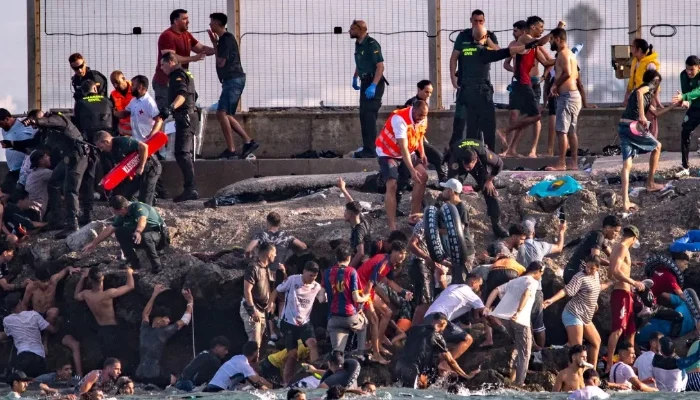
One of the biggest issues is the increasing pressure on Spain's reception centers. Facilities in the Canary Islands, Andalusia, Ceuta, and Melilla have often struggled to accommodate large numbers of migrants. Many shelters become overcrowded, making it difficult to provide adequate food, healthcare, sanitation, and legal assistance. Humanitarian organizations have repeatedly called for greater support from both the Spanish government and the European Union.
The Canary Islands have become one of the busiest migration routes. Thousands of migrants from countries such as Senegal, Mali, Mauritania, and Guinea attempt the dangerous Atlantic crossing in overcrowded boats. Many face severe weather, dehydration, and starvation during the journey, while others lose their lives before reaching land. Rescue teams regularly conduct operations to save migrants in distress at sea.
Spain also faces challenges in balancing border security with humanitarian responsibilities. Authorities have strengthened surveillance, increased coast guard patrols, and worked closely with neighboring African countries to reduce irregular migration. At the same time, Spain remains committed to international laws protecting refugees and asylum seekers, ensuring that those fleeing war or persecution have the opportunity to seek protection.
The migration issue has also become a major political debate within Spain. Some political parties advocate stricter border controls and faster deportations for those without legal status. Others argue that Spain should maintain a compassionate approach, emphasizing human rights and the country's responsibility to help vulnerable people. Public opinion remains divided, reflecting broader debates across Europe about migration policies.
Economically, migration presents both opportunities and challenges. Many migrants contribute to sectors experiencing labor shortages, including agriculture, construction, tourism, and elderly care. However, local governments must also invest in housing, education, healthcare, and social services to support new arrivals and encourage successful integration into Spanish society.
Integration remains another important challenge. Migrants often face language barriers, limited employment opportunities, discrimination, and difficulties obtaining legal documentation. Successful integration programs that provide language education, vocational training, and community support can help migrants become productive members of society while reducing social tensions.
The European Union has played a key role in supporting Spain through funding, border management cooperation, and relocation discussions. Nevertheless, Spanish officials continue to argue that migration is a shared European responsibility and requires coordinated action among all EU member states rather than placing the burden primarily on countries at Europe's external borders.
Climate change is expected to increase migration pressures in the coming years. Rising temperatures, droughts, food insecurity, and economic instability in parts of Africa may encourage more people to seek opportunities in Europe. This means Spain will likely remain one of the countries most affected by future migration trends.
Looking ahead, experts believe that long-term solutions require international cooperation. Addressing the root causes of migration—including poverty, conflict, political instability, and climate change—will be essential. At the same time, improving legal migration pathways, strengthening asylum systems, and supporting integration efforts can help create a more balanced and humane approach.
Spain's migration challenge highlights one of the defining issues of modern Europe. While protecting national borders remains important, ensuring human dignity and international cooperation will be equally critical. Finding the right balance between security, humanitarian assistance, and economic needs will shape Spain's migration policy for years to come.
Crisis
Spain Faces Growing Migrant Challenges
Summary
Spain has become one of the main entry points into Europe for migrants and refugees seeking safety, employment, and a better future. Located at the crossroads of Europe and Africa, the country receives thousands of people each year who attempt dangerous journeys across the Mediterranean Sea or the Atlantic Ocean to reach Spanish territory. In recent years, the growing number of arrivals has created significant humanitarian, economic, and political challenges for Spain.
Content



×
![]()
Comments
Sign in to join the conversation