
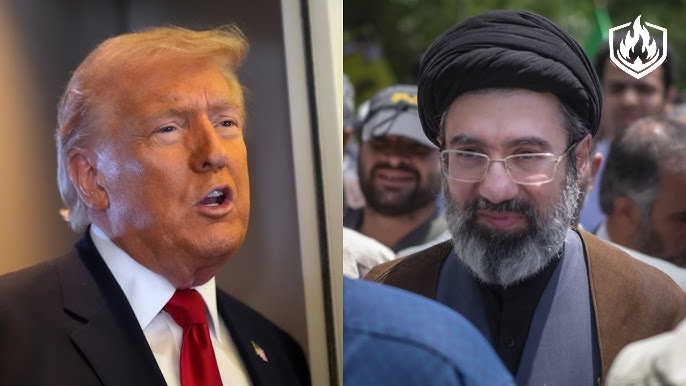
The United States and Iran have signed an important agreement designed to stop the war between the two countries and create a path toward long-term peace. The initial deal, known as a Memorandum of Understanding (MoU), was signed by US President Donald Trump and Iranian President Masoud Pezeshkian.
The agreement officially came into effect after both leaders signed it. President Trump signed a hard copy of the document during a dinner hosted by French President Emmanuel Macron at the Palace of Versailles following the G7 Summit in France. Iranian officials had already approved the agreement electronically before the final signing.
The deal contains 14 key points and is intended to reduce tensions and prevent further military conflict. It also creates a framework for negotiations over the next 60 days. Both countries hope to use this period to reach a permanent agreement, although the deadline can be extended if both sides agree.
One of the most important parts of the agreement is Iran’s commitment not to develop or obtain nuclear weapons. The issue of Iran’s nuclear program has been a major source of disagreement between Tehran and Washington for many years. Under the agreement, Iran will continue discussions with international partners about the future of its nuclear activities.
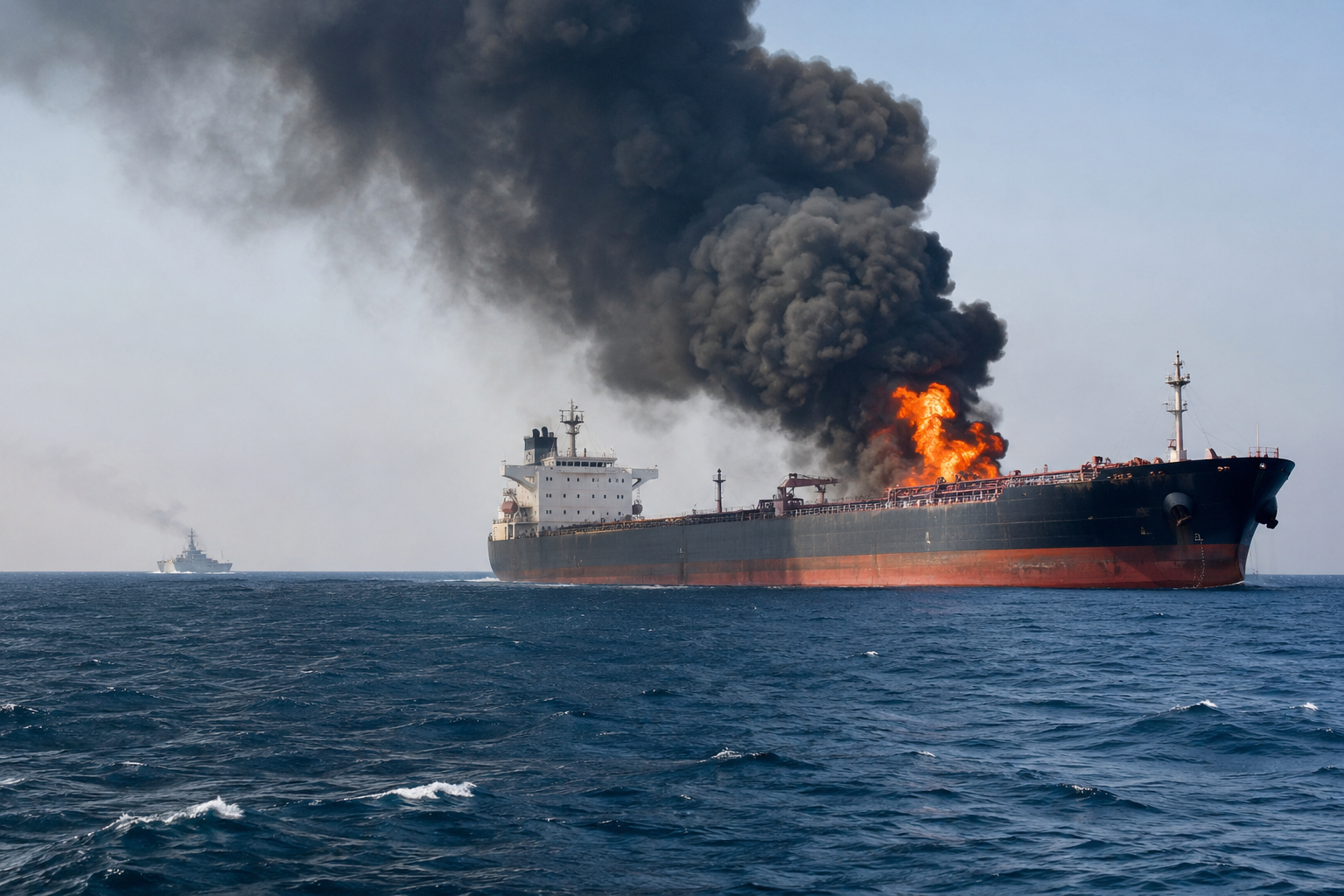
Another major part of the deal involves the Strait of Hormuz, one of the world's most important shipping routes. A large portion of global oil exports passes through this narrow waterway. The agreement calls for the reopening of the Strait and the restoration of safe commercial shipping.
According to the deal, the United States will gradually remove its naval blockade in the region, with the process expected to be completed within 30 days. Iran has agreed to ensure safe passage for commercial vessels through the Strait of Hormuz for at least 60 days without charging fees. Discussions about long-term management of the waterway will continue later.
Economic measures are also included in the agreement. The United States has agreed to begin removing sanctions imposed on Iran. These sanctions have affected Iran’s economy for years by limiting trade, investment, and access to international financial systems.
The agreement also mentions a proposed $300 billion reconstruction and economic development plan for Iran. The fund is intended to help rebuild infrastructure and support economic recovery after the conflict. However, US officials have stated that the United States is not required to directly contribute money to the fund.
The deal goes beyond issues between the United States and Iran. It also calls for an immediate and permanent end to military operations on all fronts, including Lebanon. Fighting in Lebanon has been a major concern throughout the conflict, particularly because of clashes involving Hezbollah and Israel.
Iranian officials have stated that any future Israeli military actions in Lebanon could be considered a violation of the agreement. They have warned that continued attacks could threaten the peace process. Israel has not yet officially responded to the signing of the US-Iran agreement.
Despite the positive developments, distrust remains strong on both sides. President Trump warned that the United States would respond forcefully if Iran fails to follow the terms of the agreement. During comments made at the G7 Summit, Trump said the US would take military action if Iran violated the deal.
Iranian Parliament Speaker Mohammad Bagher Ghalibaf also expressed skepticism about the agreement. He stated that Iran still does not fully trust the United States and emphasized that Iran remains prepared to defend itself if necessary. His comments highlight the challenges that negotiators will face during the next phase of talks.
Additional negotiations are expected to take place in Switzerland with the support of mediators, including Pakistan and Qatar. These discussions will focus on implementing the agreement and resolving outstanding issues. Diplomatic efforts are expected to continue over the coming weeks as both countries attempt to transform the temporary arrangement into a lasting peace deal.
International leaders have welcomed the agreement as an important step toward stability in the Middle East. The reopening of trade routes, reduction of military tensions, and possibility of improved relations between the United States and Iran are seen as positive developments for global security and economic stability.
However, experts caution that many important issues remain unresolved. Questions about Iran’s nuclear program, regional security arrangements, future sanctions relief, and the situation in Lebanon still require detailed negotiations.
For now, the agreement has created a temporary pause in hostilities and opened the door for diplomacy. The next 60 days will be critical in determining whether the two countries can overcome decades of mistrust and reach a comprehensive peace agreement. Success could bring greater stability to the region, while failure could risk renewed tensions and conflict.
The world will be closely watching the upcoming negotiations to see whether this historic agreement becomes the foundation for lasting peace between the United States and Iran.
International News
US and Iran Sign Initial Deal to End War, More Talks Planned
Summary
The United States and Iran have signed an initial agreement aimed at ending months of conflict between the two countries. The deal includes a ceasefire, plans for future negotiations, the reopening of the Strait of Hormuz, and the gradual removal of US sanctions on Iran. Both sides have agreed to continue talks over the next 60 days to reach a final and lasting agreement. However, concerns remain as leaders from both countries continue to express distrust toward each other.
Content


×
![]()
Comments
Sign in to join the conversation