
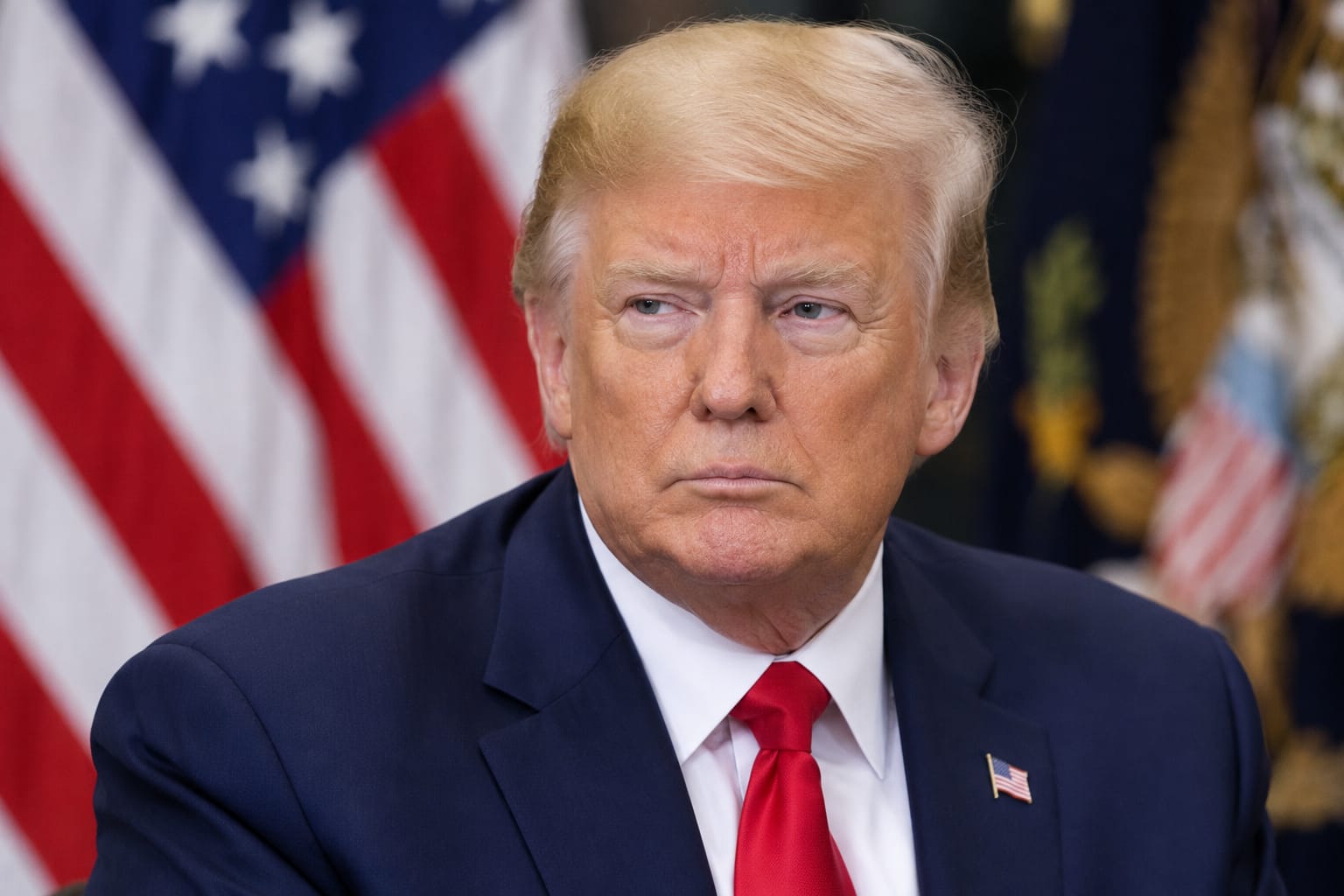
A major escalation has unfolded in the Middle East as the United States begins enforcing a naval blockade targeting maritime traffic linked to Iran, particularly around the strategic Strait of Hormuz. President Donald Trump warned that Iranian vessels approaching the blockade zone would be “eliminated,” marking a sharp increase in military pressure.
Iran’s armed forces swiftly condemned the blockade, labeling it an illegal restriction in international waters and equating it to piracy. The country’s Foreign Minister, Abbas Araghchi, confirmed that recent negotiations with the U.S. held in Pakistan failed, blaming Washington’s “maximalism, shifting goalposts, and blockade tactics.”
In Lebanon, tensions are also intensifying. Hezbollah leader Naim Qassem has rejected upcoming negotiations between the Lebanese government and Israel, urging national unity against Israeli pressure. At the same time, Israeli military operations continue in southern Lebanon, where officials report that over 2,000 people have been killed since early March.
Adding further perspective, former U.S. official Mark Pfeifle described the blockade as a high-risk negotiation tactic. He suggested that Trump is applying a strategy similar to real estate deal-making—seeking leverage through pressure. According to Pfeifle, the blockade’s success depends not only on enforcement but also on global market reactions, warning that even a single failure in implementation could undermine the entire strategy.
With rising military actions, failed diplomacy, and economic uncertainty, the situation across the region remains highly volatile, raising concerns of a broader conflict.

Summary
President Donald Trump has escalated tensions by enforcing a naval blockade on Iran and warning Iranian ships of destruction if they approach. Iran has condemned the move as piracy, while failed diplomatic talks and rising violence in Lebanon further destabilize the region. Meanwhile, Hezbollah has rejected negotiations with Israel, signaling broader geopolitical risks.
Content



×
![]()