
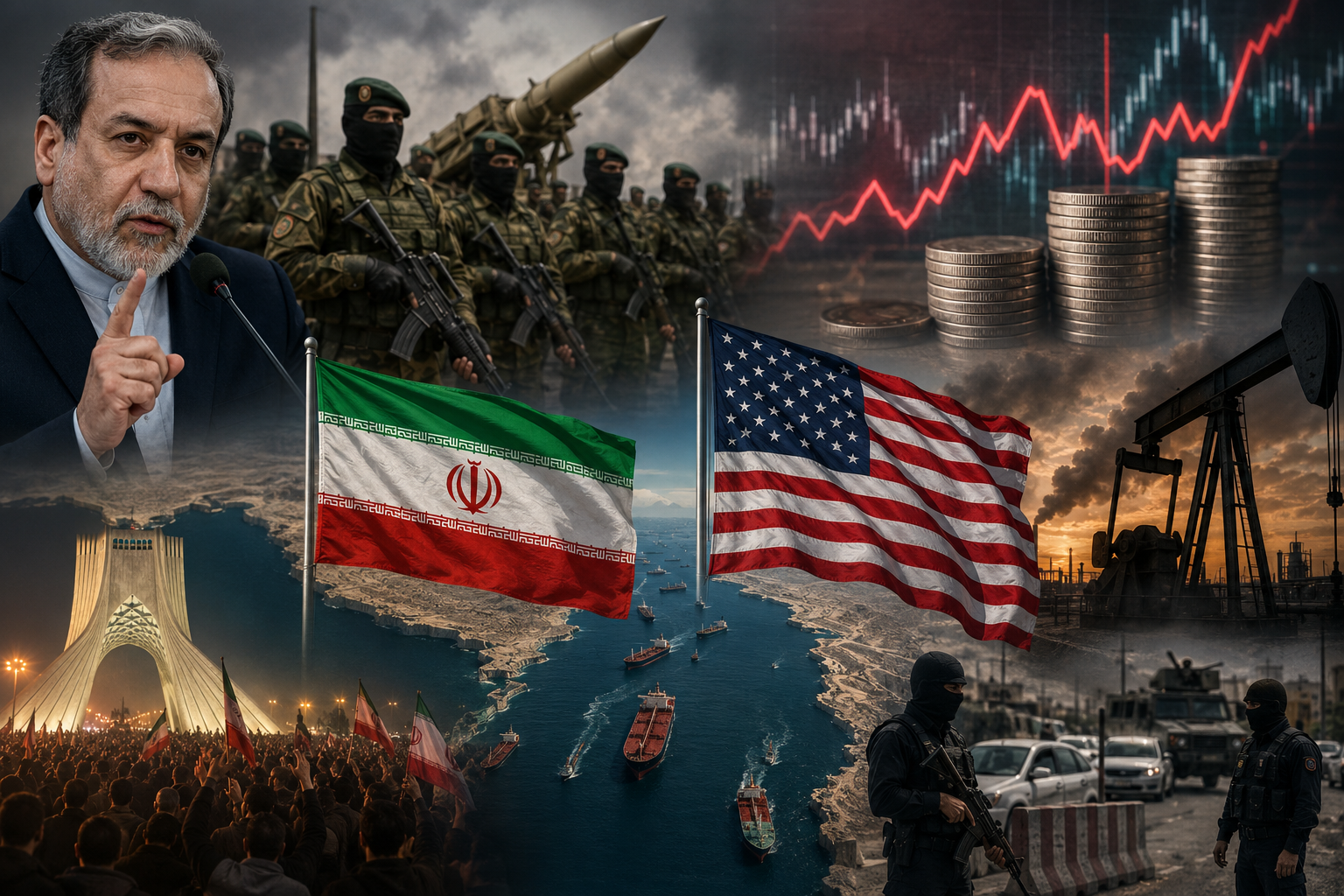
Iran’s Foreign Minister Abbas Araghchi said the country is ready for more military conflict with the United States if peace talks do not succeed. He warned that the ongoing tensions are increasing costs for American families because oil and gas prices have risen sharply since the conflict began.
Iranian leaders claimed the closure of the Strait of Hormuz, an important global oil shipping route, is affecting world energy markets and causing inflation in the US. Officials also mocked rising US debt and economic pressure linked to the conflict.
At the same time, Iran’s own economy is facing serious problems. Food prices have increased heavily, and many everyday products have become much more expensive. The Iranian currency has also dropped close to record lows against the US dollar.
Iranian officials said distrust between Tehran and Washington remains a major obstacle in negotiations. However, Iran welcomed possible mediation efforts by China to help reduce tensions.
Inside Iran, state media has increased pro-government messaging, showing armed presenters and military demonstrations on television. Authorities have encouraged supporters to gather in the streets, saying national unity is needed in case fighting starts again.
Meanwhile, checkpoints, armored vehicles, and security forces remain visible in many Iranian cities as the fragile ceasefire continues.
Summary
Iran says it is prepared for another conflict with the United States if negotiations break down. Iranian officials also warned that the war is hurting both Iran and the US economy, especially through rising oil prices and inflation caused by tensions in the Strait of Hormuz.
Content
×
![]()