
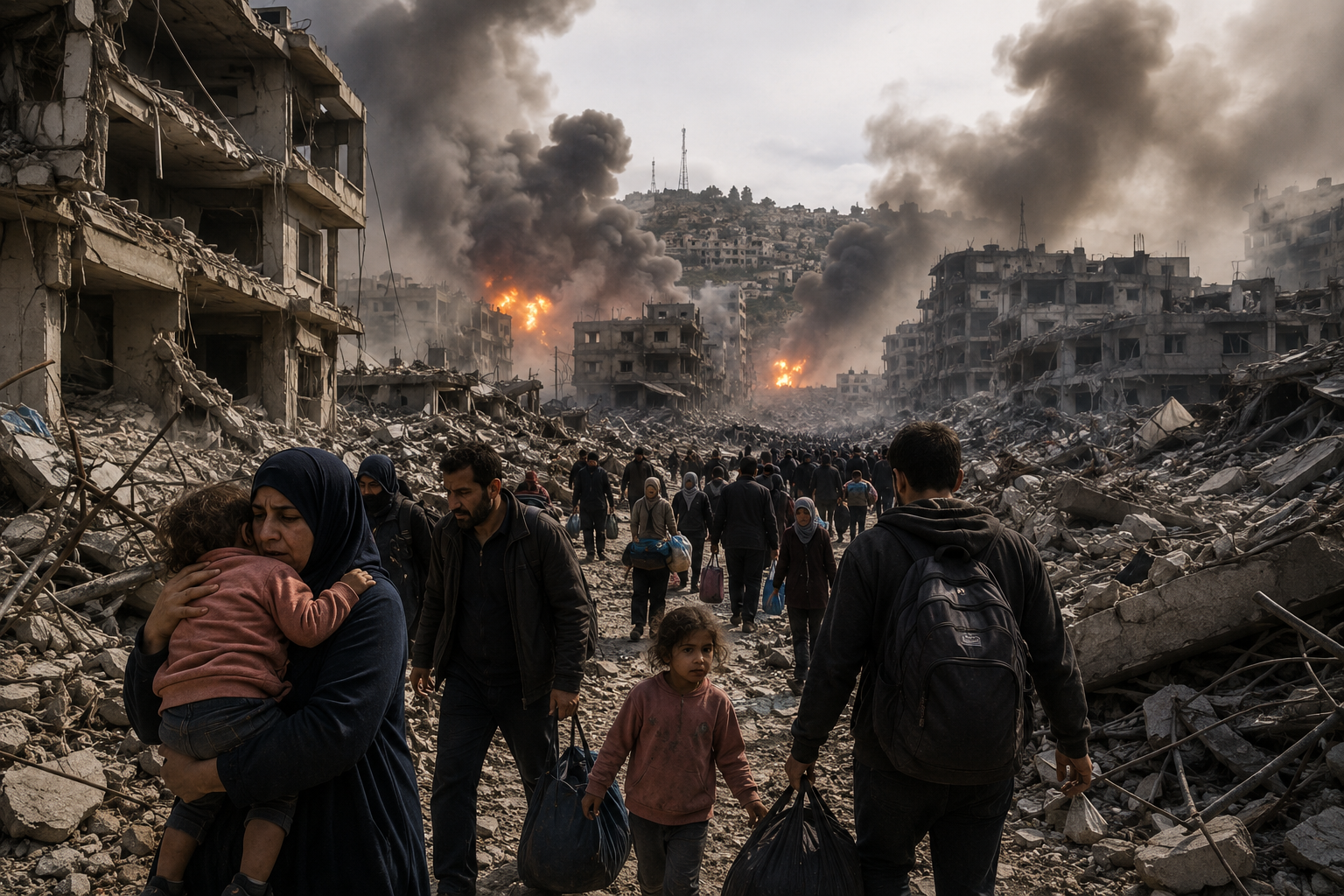
The humanitarian situation in Lebanon continues to worsen as ongoing Israeli attacks have reportedly killed at least 3,020 people and wounded more than 9,273 others since March 2, according to the latest figures released by the Lebanese Ministry of Health.
The attacks have affected many parts of the country, especially southern Lebanon and areas near the border. Air strikes, artillery fire, and drone attacks have caused heavy destruction to homes, roads, hospitals, and public buildings. Rescue teams and medical workers are struggling to respond as the number of casualties continues to rise.
Thousands of Lebanese families have been forced to leave their homes due to the violence. Many civilians are now staying in temporary shelters, schools, or with relatives in safer areas. Humanitarian groups say the growing displacement crisis is putting huge pressure on local resources and emergency services.
The conflict between Israel and armed groups in Lebanon has sharply intensified over recent months. Cross-border exchanges of fire have become more frequent, increasing fears that the violence could expand into a larger regional war.
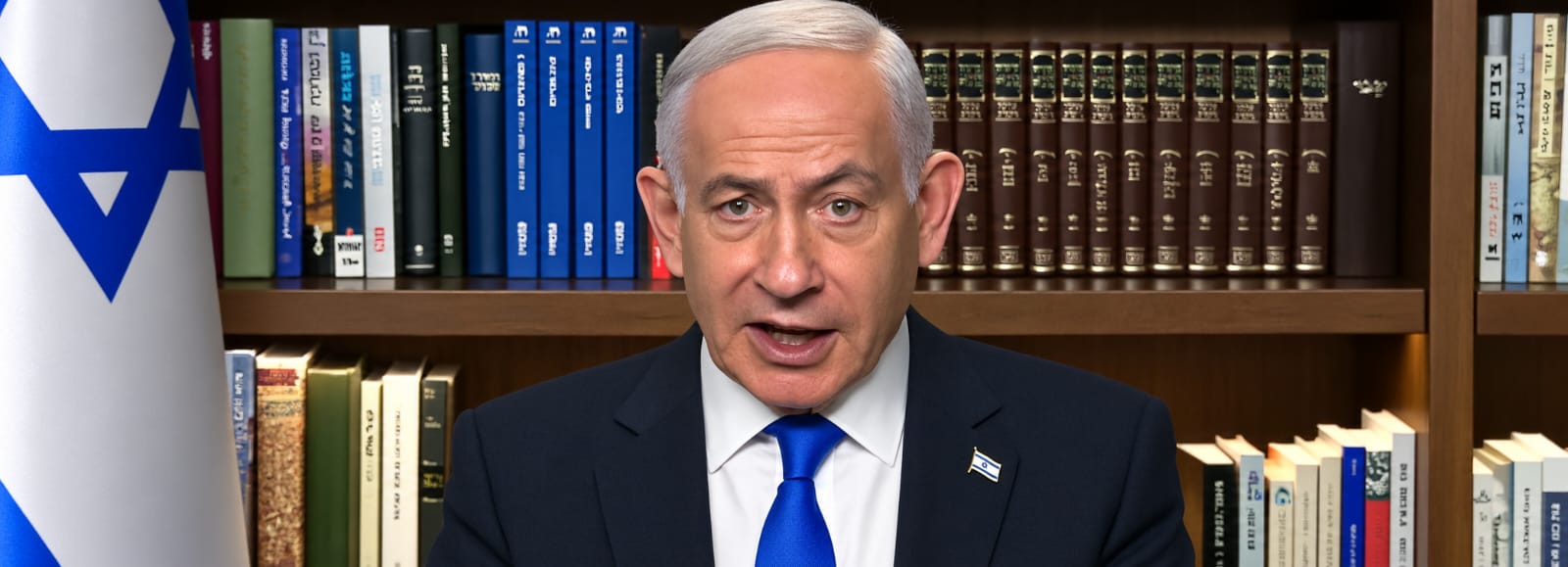
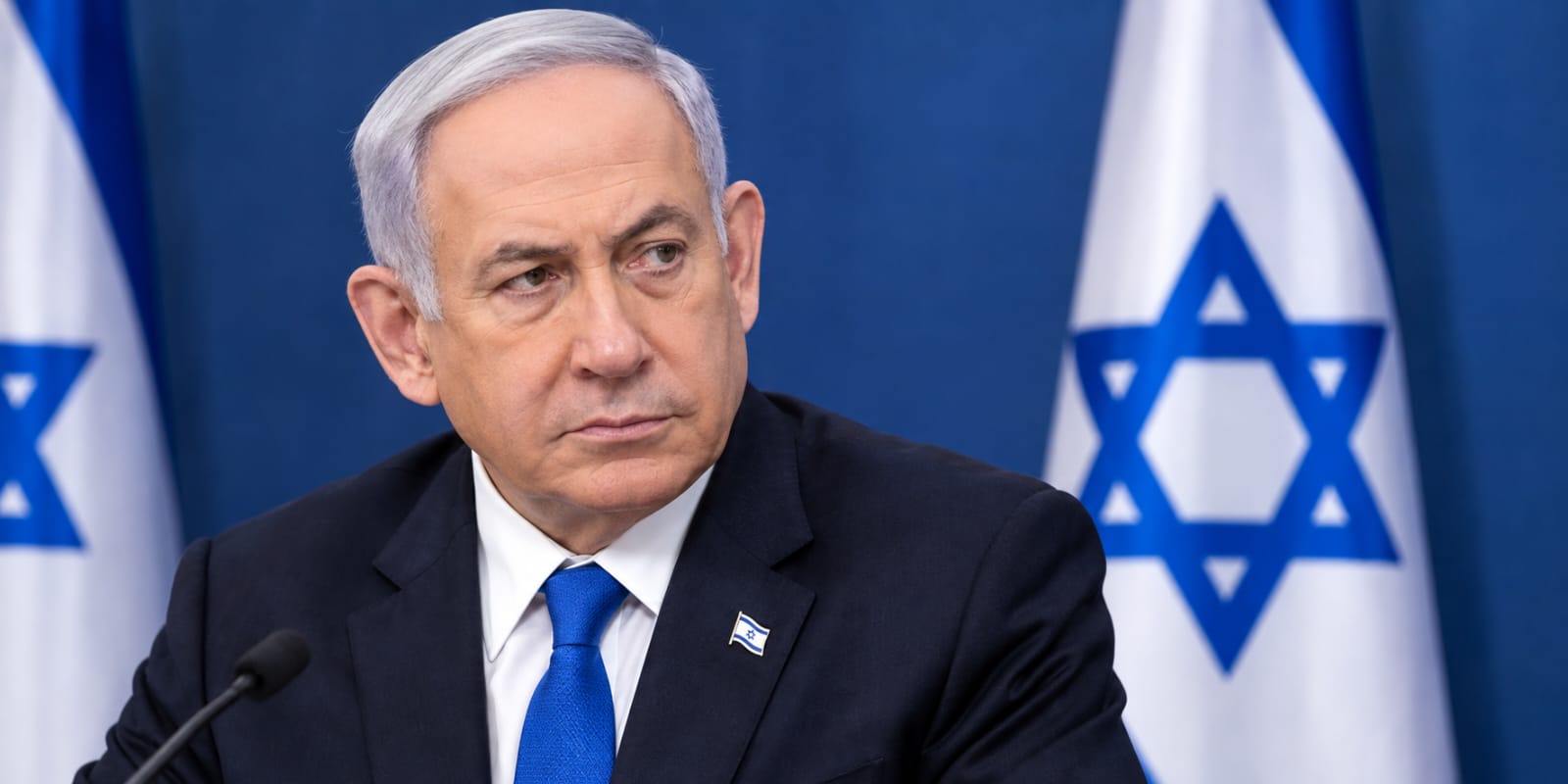
Israeli officials say their military operations are targeting armed positions and security threats near the border. However, Lebanese authorities and humanitarian organizations have raised concerns about the high number of civilian deaths and the destruction of civilian infrastructure.
Hospitals in several areas are reportedly overwhelmed with injured people. Medical supplies, fuel, and emergency equipment are becoming increasingly difficult to secure because of damaged roads and ongoing security risks. Doctors and aid workers say many hospitals are operating under extremely difficult conditions.
Children and elderly people are among those heavily affected by the conflict. Aid organizations warn that many families are struggling to access food, clean water, electricity, and medical care. Schools in several regions have also been closed because of safety concerns.
International organizations and world leaders have repeatedly called for restraint and an immediate reduction in violence. The United Nations has expressed concern over the rising civilian death toll and warned that the situation could become even more dangerous if fighting continues.
The conflict has also increased political tensions across the Middle East. Several countries fear that continued violence in Lebanon could destabilize the wider region and affect international trade and energy markets.
Meanwhile, diplomatic efforts to secure a long-term ceasefire have so far shown limited progress. Negotiations involving regional and international mediators continue, but clashes and military operations are still being reported regularly.
Residents in affected areas say they are living in constant fear as air strikes and explosions continue. Many families have lost relatives, homes, and businesses during the fighting. Humanitarian agencies are urging the international community to provide more emergency aid and support for displaced civilians.
As the violence continues, concerns remain high over the possibility of further escalation. Analysts warn that without serious diplomatic progress, the humanitarian crisis in Lebanon could worsen even more in the coming weeks.
Summary
Lebanese health officials say more than 3,020 people have been killed and over 9,273 wounded in Israeli attacks across Lebanon since early March. The violence has caused major destruction in several areas, forcing thousands of families to flee their homes as fears of a wider regional conflict continue to grow.
Content

×
![]()