
Qeshm Island has become an important focus in the growing tensions around the Strait of Hormuz. Iranian officials say the island will play a key role in new management and control measures that Tehran plans to introduce in the strategic waterway.
The Strait of Hormuz is one of the world’s most important shipping routes because a large amount of global oil and gas passes through it every day. Any disruption in the area can affect international energy markets and global trade.
Iran says it is still willing to pursue diplomacy and negotiations to reduce tensions. Officials have stated that there is readiness for diplomatic engagement and peaceful discussions to manage the current standoff.
At the same time, Iranian authorities are also warning that the country is fully prepared for possible military confrontation if tensions increase further. Tehran says its armed forces are at the highest level of readiness for any scenario that may develop in the region.
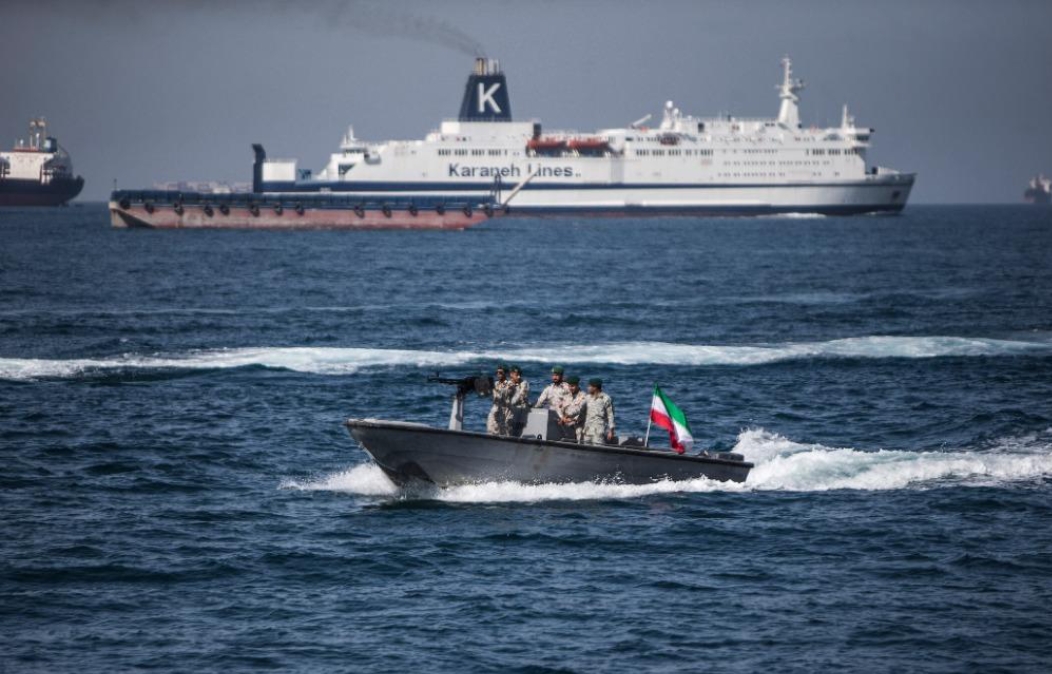
Iranian officials added that all maritime operations in the area are now under the control of the naval forces of the Islamic Revolutionary Guard Corps, commonly known as the IRGC. According to Iran, military ships and certain foreign vessels are not being allowed to pass freely through the area under the new security measures.
In recent days, the waters around the Strait of Hormuz have become heavily crowded with ships, oil tankers, and commercial vessels. Many vessels have reportedly remained parked or waiting on both sides of the strait because of uncertainty and fears over possible escalation.
The situation has increased concern among international shipping companies and energy markets. Traders and governments are closely watching developments because any closure or restriction in the strait could affect global oil supplies and increase fuel prices worldwide.
Analysts say Iran appears to be trying to balance two goals at the same time — showing strength and military control while also leaving the door open for diplomacy and negotiations. Tehran wants to demonstrate that it can control the strategic waterway but also avoid a larger regional conflict if possible.
The tensions come during wider instability in the Middle East, including ongoing regional conflicts and growing concerns over energy security. Several countries are now monitoring the situation closely and reviewing shipping safety measures in the Gulf region.
For now, many ships remain waiting near the strait as the world watches to see whether diplomacy or confrontation will shape the next phase of the crisis.
Summary
Iran says it is open to diplomacy during the Strait of Hormuz standoff but is also fully prepared for possible confrontation. Iranian officials say the IRGC navy is controlling maritime operations in the area, while many ships and oil tankers remain gathered near the strait as tensions continue.
Content
×
![]()