
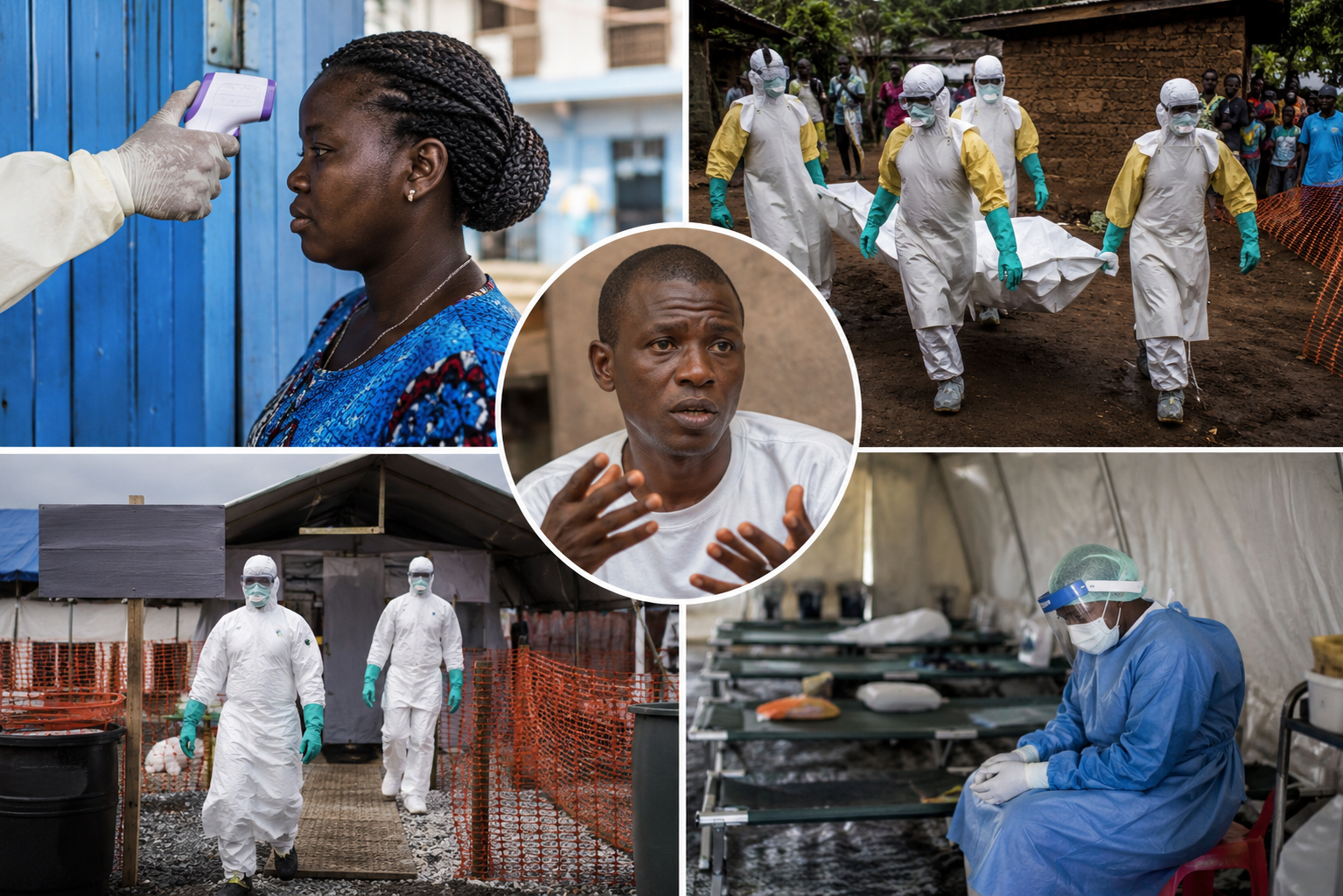
As Democratic Republic of the Congo struggles with a growing Ebola outbreak, survivors and health experts are warning that quick action, public trust, and international support are essential to stop the virus from spreading further.
Patrick Faley, an Ebola survivor from Liberia, remembers the horrors of the West African Ebola epidemic more than ten years ago. That outbreak became the deadliest Ebola crisis in history, killing over 11,000 people across Liberia, Sierra Leone, and Guinea.
Faley worked as a volunteer for Liberia’s health ministry during the outbreak. His job was to travel between villages and teach people how Ebola spreads through bodily fluids and close physical contact. He also explained why handshakes, hugs, and traditional burial practices had to stop temporarily.
However, while attending the funeral of a colleague who died from Ebola, Faley forgot the safety rules and hugged grieving people. A few days later, he became infected with the virus himself.
He described seeing overcrowded hospital wards filled with sick patients and bodies of those who had died. Faley survived the disease, but his four-year-old son later died after catching Ebola. His wife also became infected but recovered.
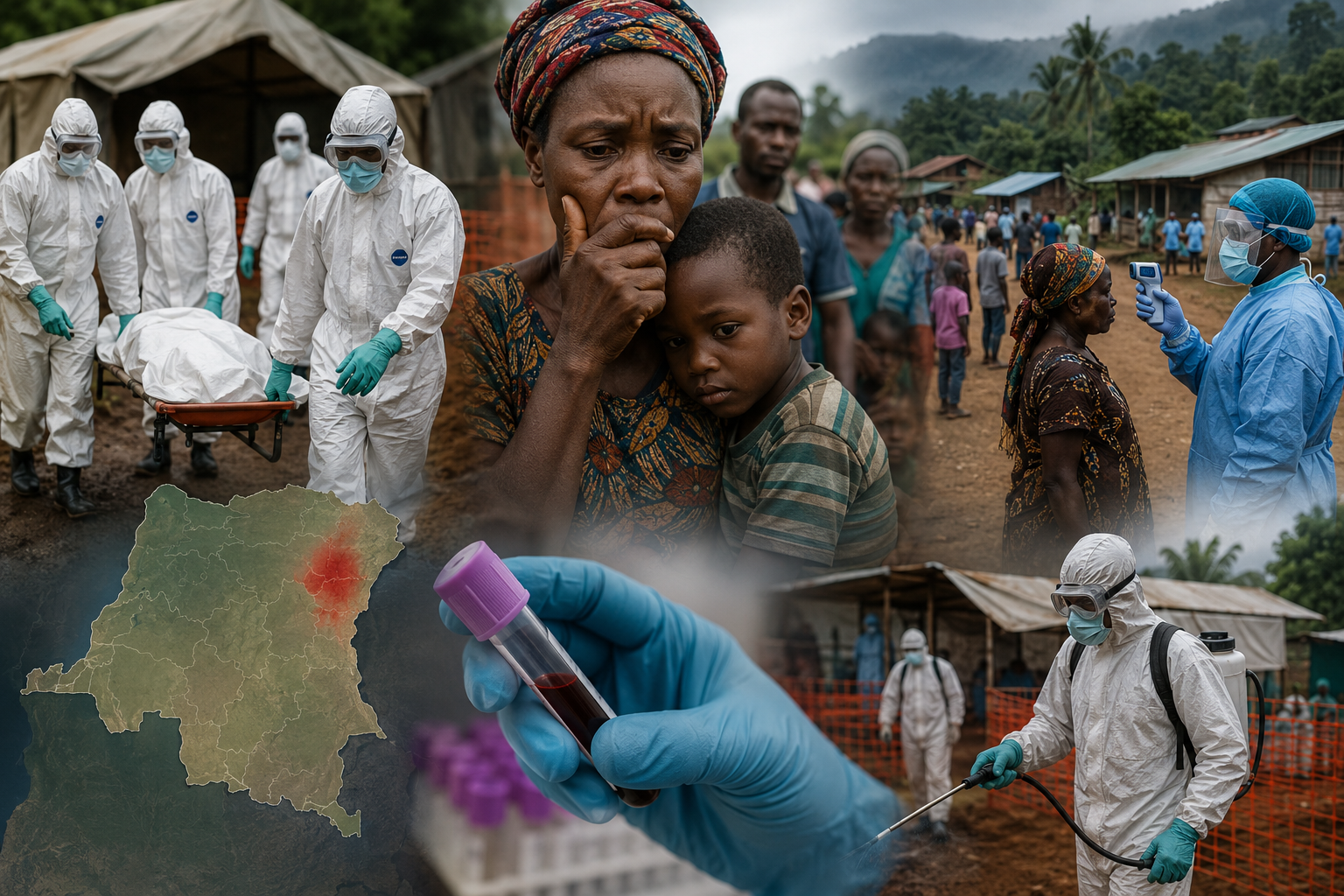
The painful memories have returned as eastern DR Congo faces another outbreak. According to the World Health Organization, more than 170 people have already died.
Health officials have banned traditional funerals for suspected Ebola victims to reduce infections, but this has caused anger in some communities. In one incident, a crowd attacked and burned part of a hospital after authorities refused to release a body for burial.
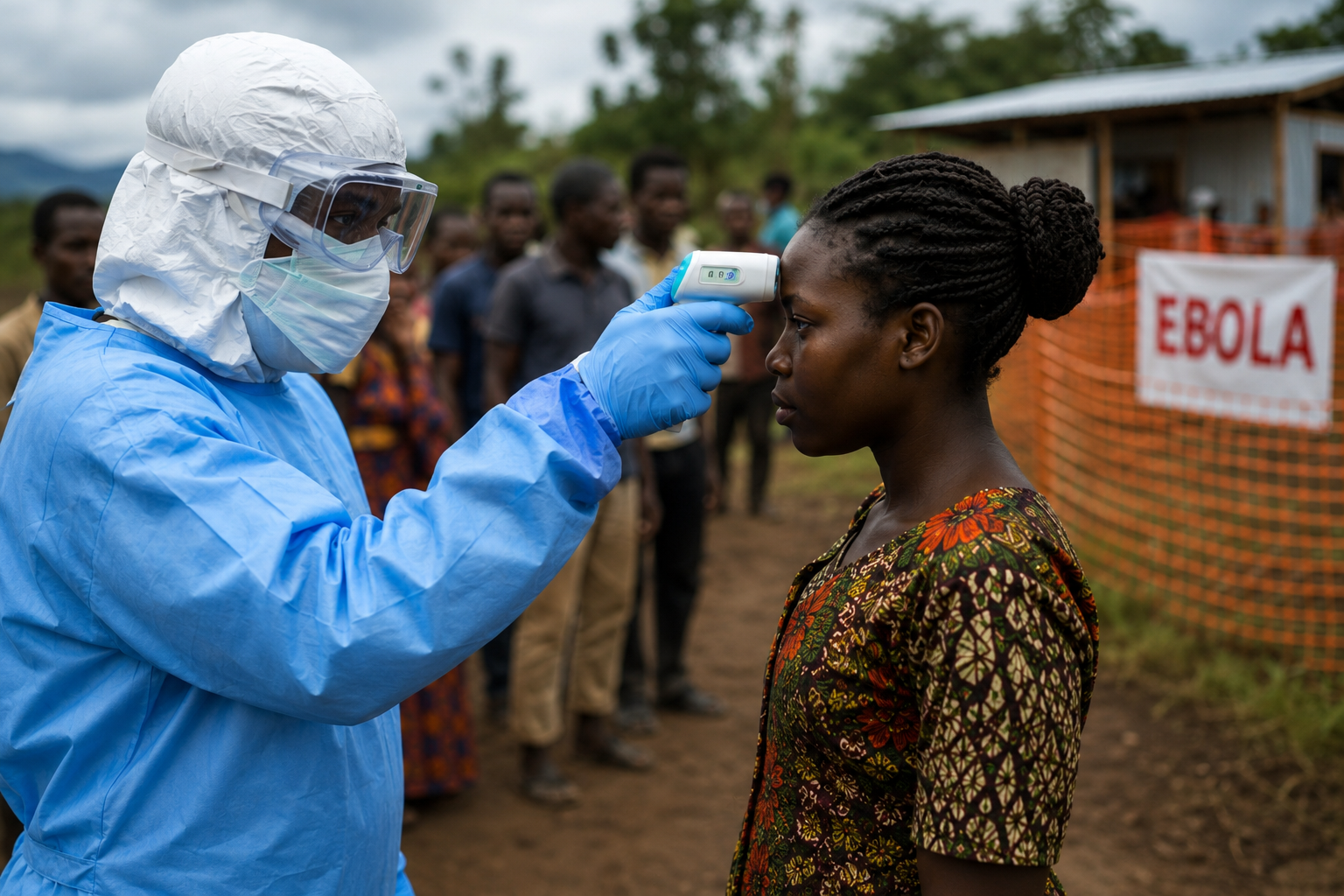
Dr Patrick Otim from the WHO said one of the biggest lessons from past outbreaks is that “speed matters.” Delays in finding infected people, isolating patients, and informing communities can allow the virus to spread rapidly.
He explained that medical treatment alone is not enough to stop Ebola. Communities must trust health workers and understand why safety measures are necessary. Local leaders, clear communication, and respectful burials are all important in controlling outbreaks.
The current outbreak is especially worrying because it involves the rare Bundibugyo strain of Ebola. Unlike the more common Zaire strain, there is currently no approved vaccine or treatment for Bundibugyo Ebola.
Professor Thomas Geisbert, a leading Ebola expert from the University of Texas Medical Branch, said existing vaccines do not work because the Bundibugyo virus is genetically different.
Scientists at University of Oxford are now developing a possible vaccine that could enter clinical trials within months. However, experts warn that creating and distributing vaccines can cost billions of dollars, making investment a major challenge.
Another scientist, Professor Wallace Bulimo from the University of Nairobi, said governments and researchers should have invested more in studying the virus years ago instead of waiting for another deadly outbreak.
Faley also warned health officials not to repeatedly tell communities that Ebola has “no cure,” because frightened people may avoid treatment centres if they believe going there means certain death.
He said fear, rumours, and mistrust can become just as dangerous as the virus itself.
At the same time, large numbers of foreign aid workers arriving in local communities can sometimes create panic and suspicion. Faley remembers many people in Liberia fleeing their villages during the earlier outbreak because they feared outsiders.
The WHO says Congolese health teams are highly experienced after dealing with many Ebola outbreaks in recent years. However, eastern DR Congo remains difficult because of armed conflict, poor infrastructure, population movement, and insecurity.
Experts are now racing to contain the outbreak before it spreads further. Although the Bundibugyo strain has a lower death rate than some other Ebola types, scientists warn it may spread more easily because infected people can carry the virus longer before symptoms appear.
Despite the dangers, Faley says survivors can recover and rebuild their lives. He hopes his experience can encourage people in DR Congo not to lose hope during the crisis.
×
![]()