
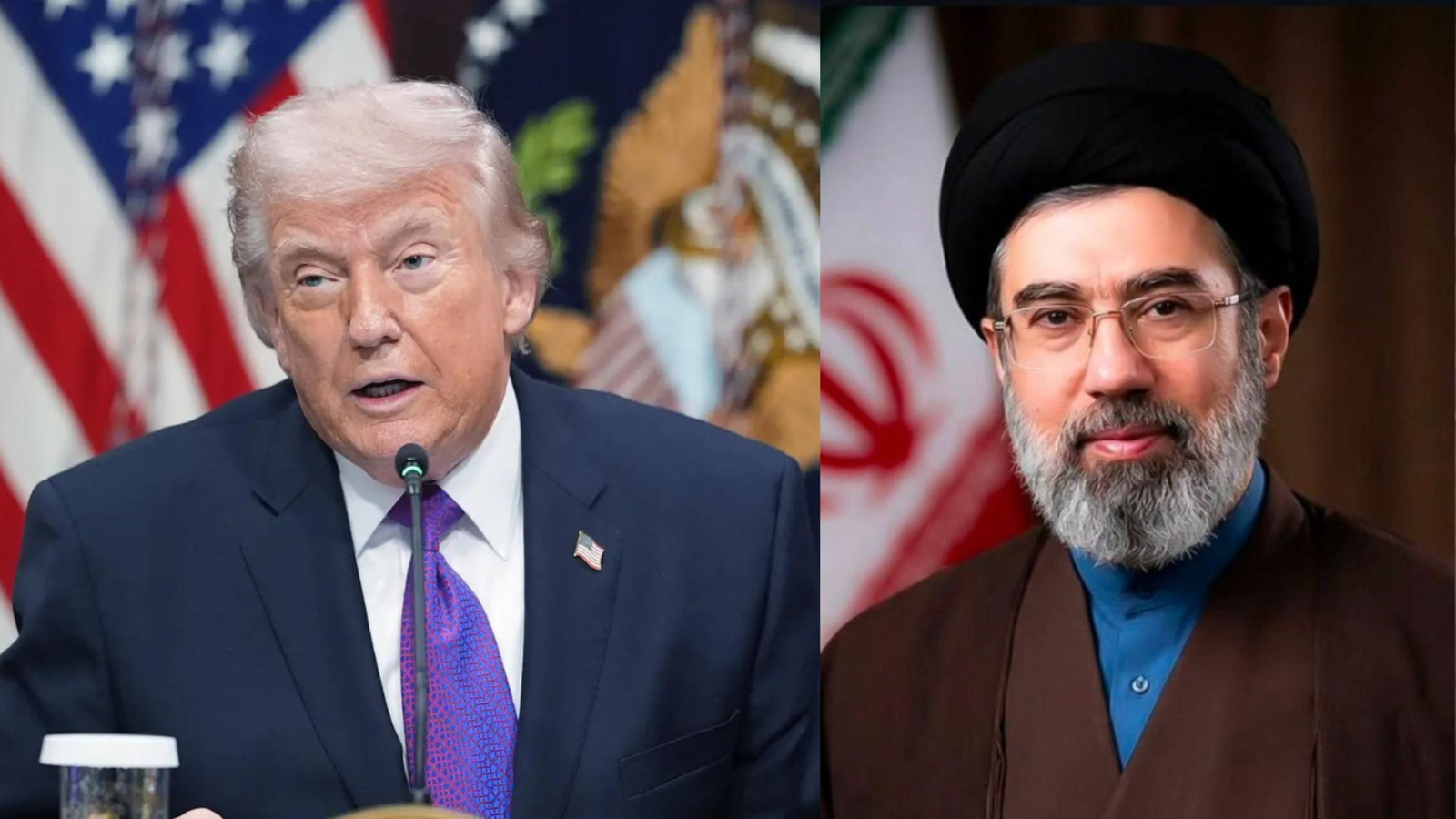
The world is closely watching ongoing talks between the United States and Iran as concerns grow over the future of the Strait of Hormuz, one of the most important oil shipping routes in the world. Experts believe that a successful agreement between Washington and Tehran could help prevent a larger global crisis involving energy prices, food shortages and rising living costs.
Recent reports suggest that both countries are discussing a possible deal that may include a temporary ceasefire, reopening shipping lanes, reducing some sanctions on Iran and restarting talks on Iran’s nuclear programme. While negotiations are still continuing, many governments and global markets are hoping for a peaceful solution.
The Strait of Hormuz is located between Iran and Oman and is considered one of the world’s busiest energy routes. Around one-fifth of the world’s oil and a large amount of natural gas pass through the narrow waterway every day. Because of this, any disruption in the area can quickly affect global markets and economies.
Over the past few weeks, military tensions and uncertainty in the Gulf region have already caused problems for shipping companies. Freight charges, fuel prices and insurance costs for ships have increased sharply. Several countries are also worried about the safety of oil tankers travelling through the region.
Experts warn that if the situation continues for a long time, the impact on the world economy could become much worse. Higher oil prices would increase transport and electricity costs in many countries. This could also push food prices higher because farming, food production and delivery systems depend heavily on fuel and energy.
The effects would not only be felt in wealthy countries like the United States and European nations. Developing countries in Africa, Asia and Latin America could suffer the most because many of them depend on imported oil, food and fertilisers. Rising costs could create serious pressure on their economies and increase poverty levels.
Governments in several countries are already struggling with inflation, debt and slow economic growth. If energy prices continue rising, they may find it difficult to provide subsidies and support for citizens. This could lead to protests, political instability and social unrest in some regions.
Economists say food systems are closely linked to energy markets. Fertiliser production requires natural gas, while transportation of food products depends on oil prices. When fuel becomes expensive, the prices of groceries and everyday items also increase. Poor families are usually affected the most during such crises.
Many experts believe the current situation shows how vulnerable the world economy remains to conflicts in important regions. The Strait of Hormuz is not just a regional trade route; it plays a major role in global energy supplies. Even short-term disruptions can create worldwide economic problems within days.
At the same time, analysts say the countries suffering the biggest economic damage are often not directly involved in the conflict itself. Poorer nations with limited resources are usually forced to deal with higher import costs, food insecurity and growing financial pressure.
Although there is hope for progress in the talks, major disagreements still remain between the US and Iran. Both sides continue to differ on sanctions, uranium enrichment, regional security and control over shipping routes in the Gulf. Previous negotiations have also failed in the past because of mistrust and renewed military tensions.
Still, experts believe diplomacy remains the best option. They warn that a prolonged crisis in the Strait of Hormuz could increase inflation, deepen hunger problems and create more instability across the world. Many global leaders are therefore urging both countries to continue negotiations and avoid further escalation.
The outcome of the talks could have a major impact not only on the Middle East but also on millions of people worldwide who are already struggling with rising living costs and economic uncertainty.
Summary
Growing tensions around the Strait of Hormuz have increased fears of a global economic crisis. Experts say a successful deal between the United States and Iran could help reopen shipping routes, lower oil prices and prevent food shortages in many countries.
Content

×
![]()