
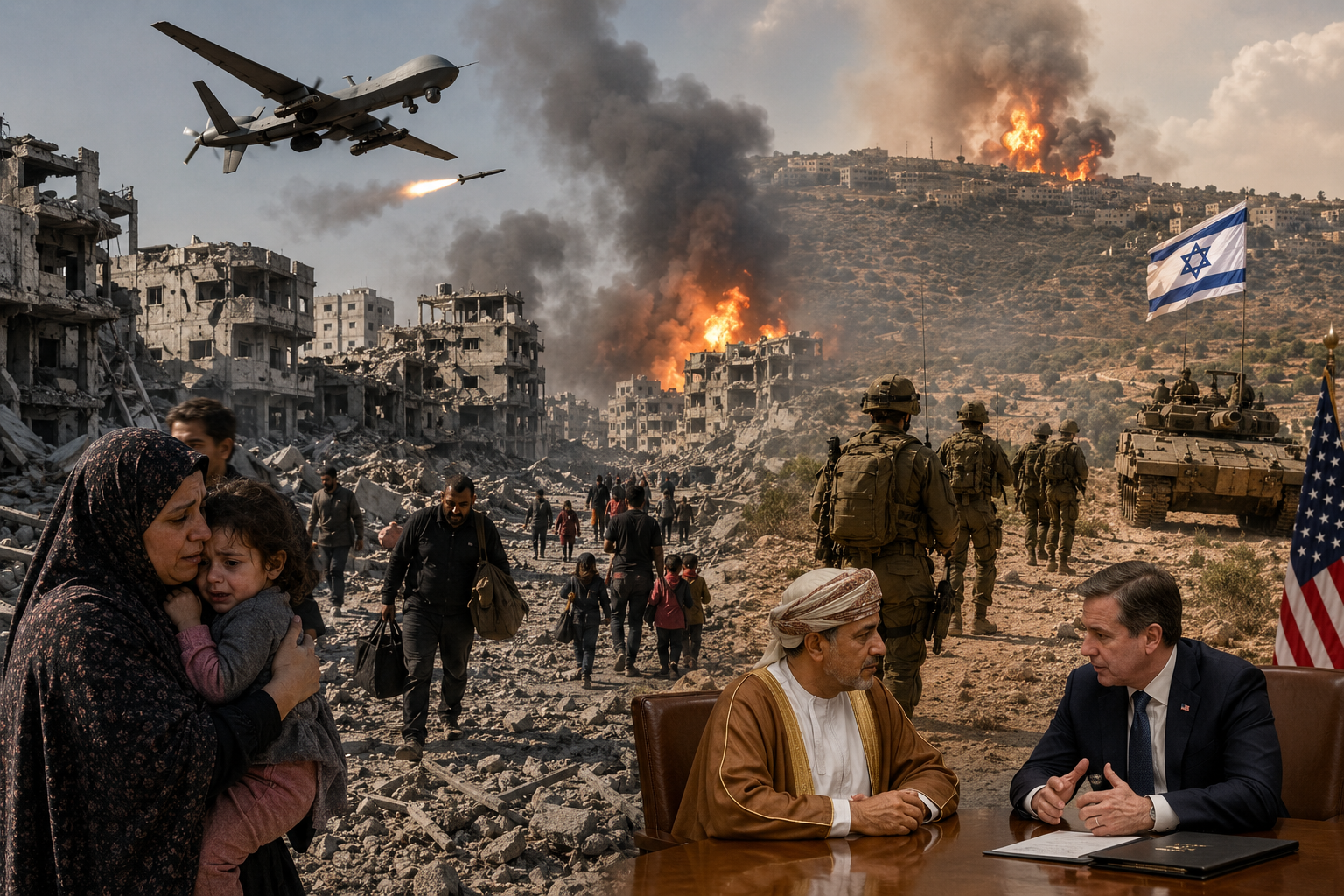
Israel has intensified its military operations in both Gaza and southern Lebanon, raising fears of a wider regional conflict and worsening humanitarian conditions across the Middle East. The latest developments come after Israeli authorities declared parts of southern Lebanon a “combat zone” and issued new forced displacement orders in Gaza City, while the United States warned Oman about possible sanctions linked to regional tensions.
According to reports, Israeli forces ordered residents in an entire residential block in Gaza City to evacuate immediately before carrying out military operations in the area. Shortly after the warning, an Israeli drone strike hit an area southwest of Gaza City, killing at least one person and injuring several others. Witnesses described scenes of panic as families rushed to leave their homes carrying only basic belongings.
The Israeli military says the operations are aimed at targeting armed groups and preventing attacks against Israel. However, Palestinian residents and humanitarian organizations say the continued bombardment and displacement are creating unbearable conditions for civilians already suffering from months of conflict, shortages of food and medicine, and damaged infrastructure.
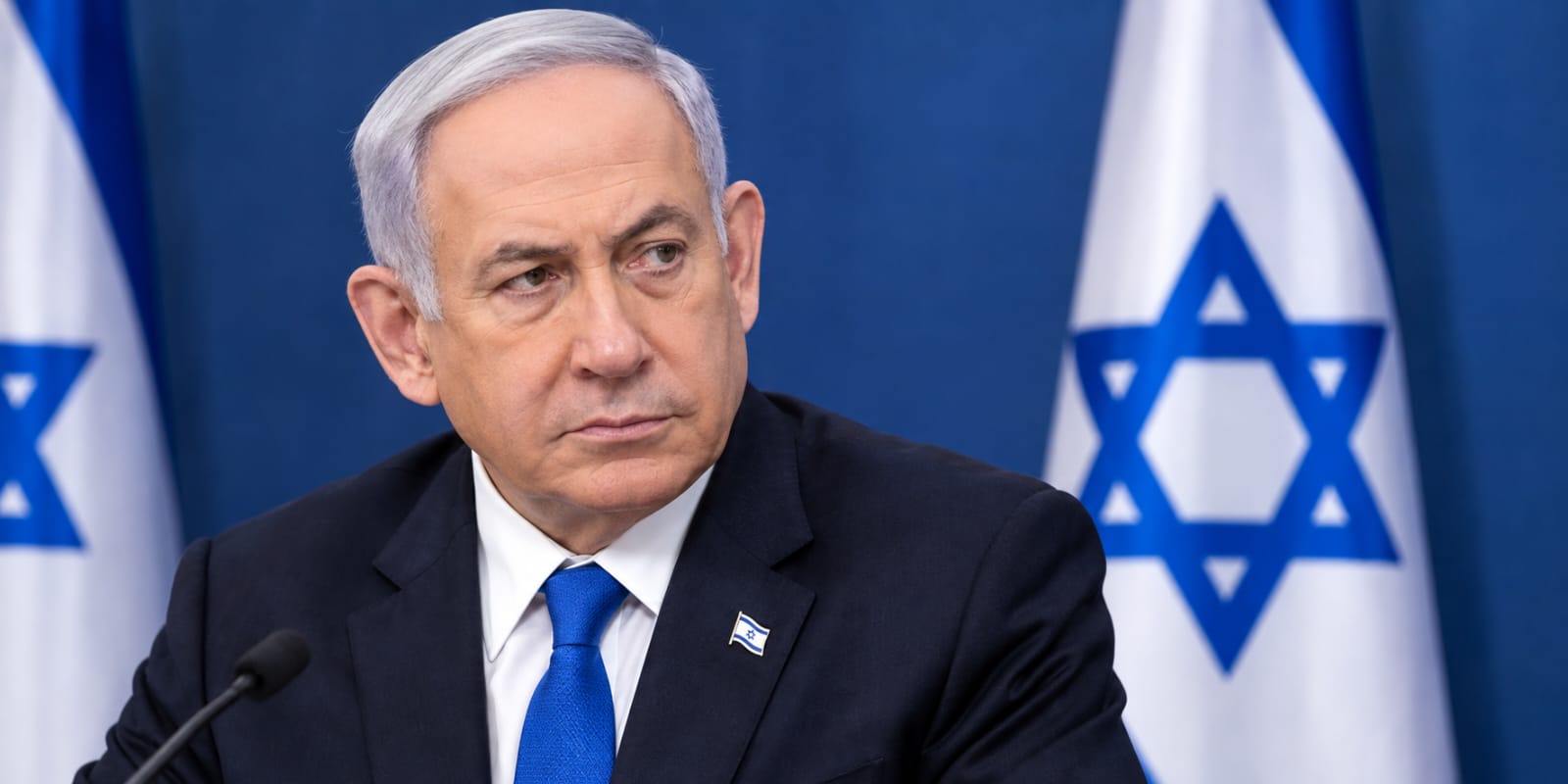
Israeli Prime Minister Benjamin Netanyahu has reportedly instructed the military to expand its control inside Gaza, with plans to hold approximately 70 percent of the territory. Israeli officials argue that maintaining control over large areas is necessary for security and to stop armed fighters from regrouping. Critics, however, warn that expanding military occupation could deepen the humanitarian crisis and make future peace efforts even more difficult.
In many parts of Gaza, civilians continue to face severe hardship. Thousands of families have been displaced multiple times since the conflict began, often moving from one crowded shelter to another in search of safety. Hospitals remain under pressure due to limited supplies, damaged facilities, and a growing number of casualties. Aid organizations say access to humanitarian assistance is still extremely limited in several areas because of ongoing military operations and damaged roads.
At the same time, Israel has increased military activity along the Lebanese border. Israeli forces have reportedly pushed deeper into southern Lebanon, where tensions with Hezbollah continue to rise. Israeli authorities declared parts of southern Lebanon a “combat zone,” warning civilians to avoid certain areas as military operations continue.
Residents in southern Lebanon say they have experienced repeated air strikes, drone activity, and artillery fire over recent days. Some families have started leaving border towns out of fear that the fighting could escalate further. Lebanese officials have accused Israel of violating Lebanese sovereignty and increasing the risk of a larger regional war.
The growing conflict between Israel and Hezbollah has added to concerns across the region. Hezbollah, which is backed by Iran, has exchanged attacks with Israeli forces since the Gaza war began. Analysts fear that continued fighting along the border could lead to a broader confrontation involving multiple countries and armed groups.
Meanwhile, the United States has become increasingly involved diplomatically as it attempts to prevent the conflict from spreading further. Reports indicate that Washington has warned Oman about possible sanctions connected to regional activities and financial networks. US officials believe stronger pressure may be needed to limit support systems linked to armed groups operating in the region.
Oman has historically played a role as a mediator between rival countries in the Middle East, including the United States and Iran. The warning from Washington is seen by analysts as part of wider American efforts to tighten control over regional political and financial channels during the ongoing crisis.
The United States continues to publicly support Israel’s right to defend itself while also calling for measures to protect civilians. However, growing civilian casualties and displacement in Gaza have increased international criticism of Israel’s military campaign. Human rights organizations and several governments have urged all sides to respect international law and avoid targeting civilians.
Global concern is also rising over the possibility of economic disruption if the conflict spreads further across the region. Shipping routes, energy supplies, and regional trade could all be affected by a wider war involving Lebanon, Iran, or other neighboring countries. International markets have already shown signs of nervousness as investors closely monitor developments in the Middle East.
Diplomatic efforts to achieve a ceasefire in Gaza and reduce tensions along the Lebanese border continue, but progress has remained limited. Mediators from several countries are attempting to negotiate temporary truces, prisoner exchanges, and humanitarian access agreements. So far, however, fighting has continued despite repeated international appeals for restraint.
For civilians living in Gaza and southern Lebanon, daily life remains dominated by uncertainty and fear. Many families are struggling to find safe shelter, food, clean water, and medical care while military operations continue around them. Aid agencies warn that without a lasting ceasefire and increased humanitarian access, conditions could worsen significantly in the coming weeks.
As the conflict expands geographically and politically, regional leaders and international powers face growing pressure to prevent the crisis from turning into a much larger war that could destabilize the Middle East even further.
Summary
Israel has intensified military operations in Gaza and southern Lebanon, issuing evacuation orders in Gaza City and declaring parts of southern Lebanon a combat zone. Israeli Prime Minister Benjamin Netanyahu has ordered expanded control over Gaza, while clashes with Hezbollah continue near the Lebanese border. Meanwhile, the United States has warned Oman about possible sanctions as regional tensions grow. The ongoing conflict has increased fears of a wider Middle East war and worsened the humanitarian crisis for civilians in Gaza and Lebanon.
Content

×
![]()