
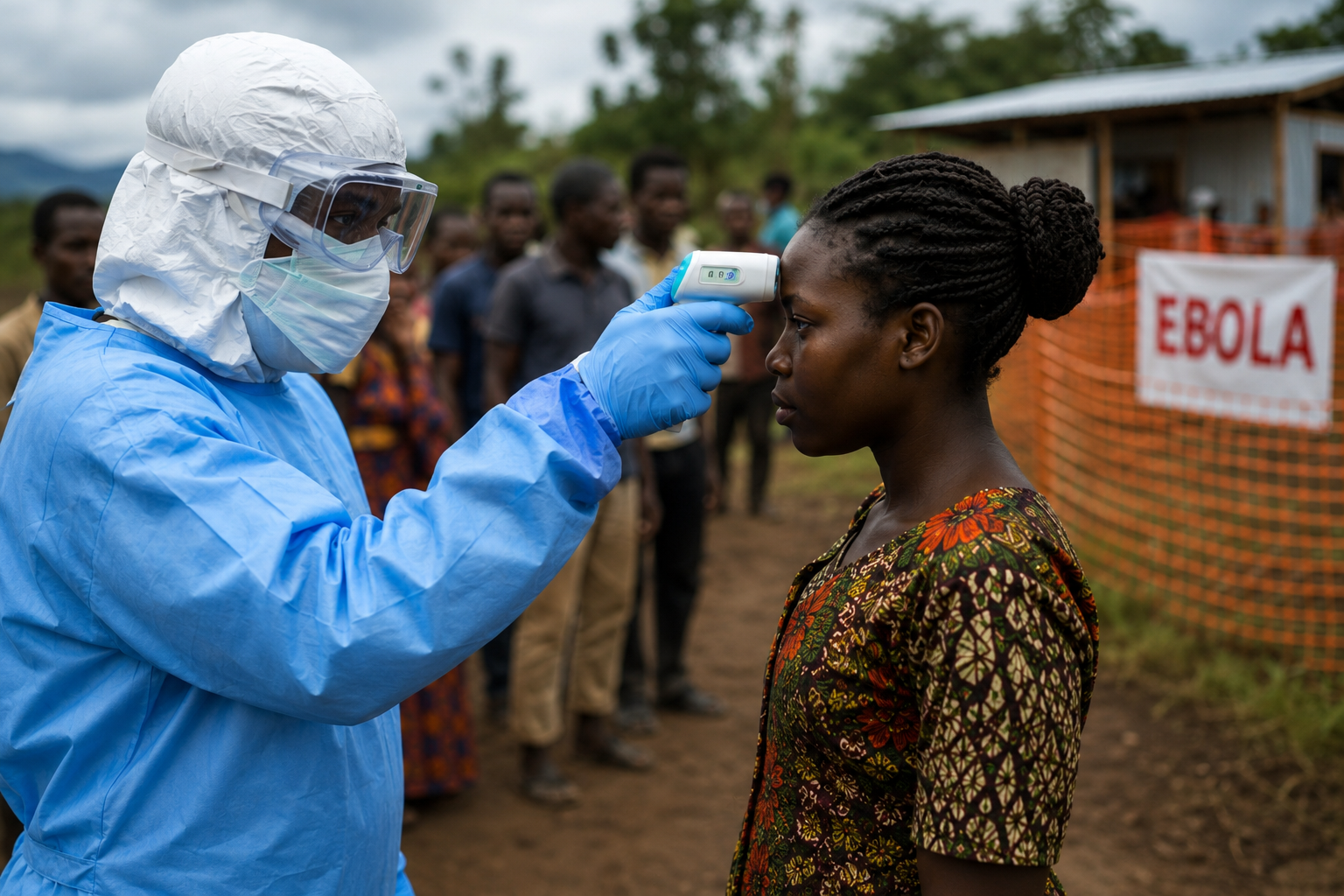
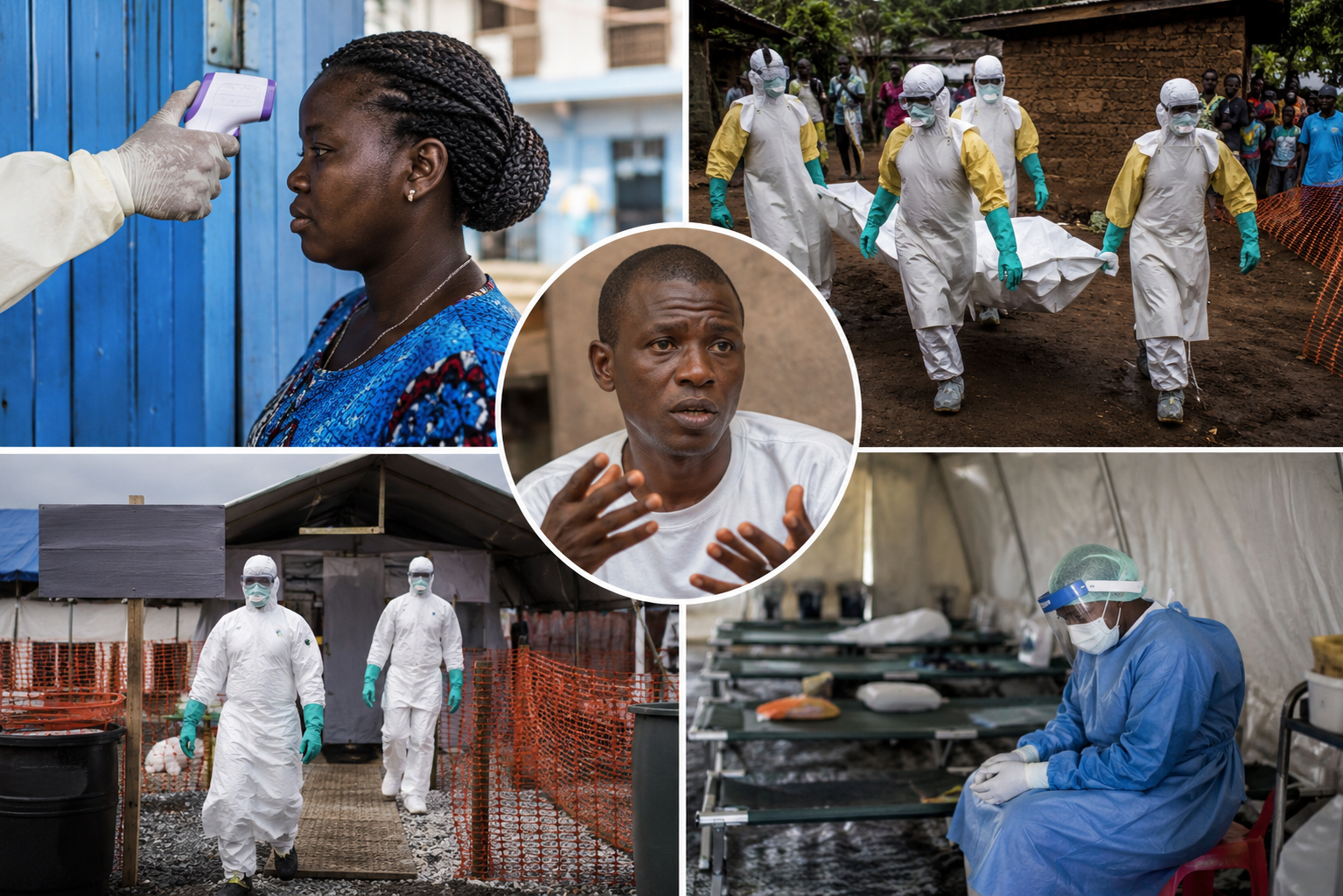
The Ebola outbreak in the Democratic Republic of Congo (DR Congo) is becoming a serious health emergency. Medical experts and international organizations are warning that the virus is spreading very quickly and could become even worse if stronger action is not taken immediately.
The medical charity Médecins Sans Frontières (MSF), also known as Doctors Without Borders, said the current situation is “deeply alarming.” According to MSF, the number of suspected Ebola cases has increased faster than in previous outbreaks. Only two weeks after the outbreak was officially declared, more than 1,000 suspected infections and at least 246 deaths have already been reported.
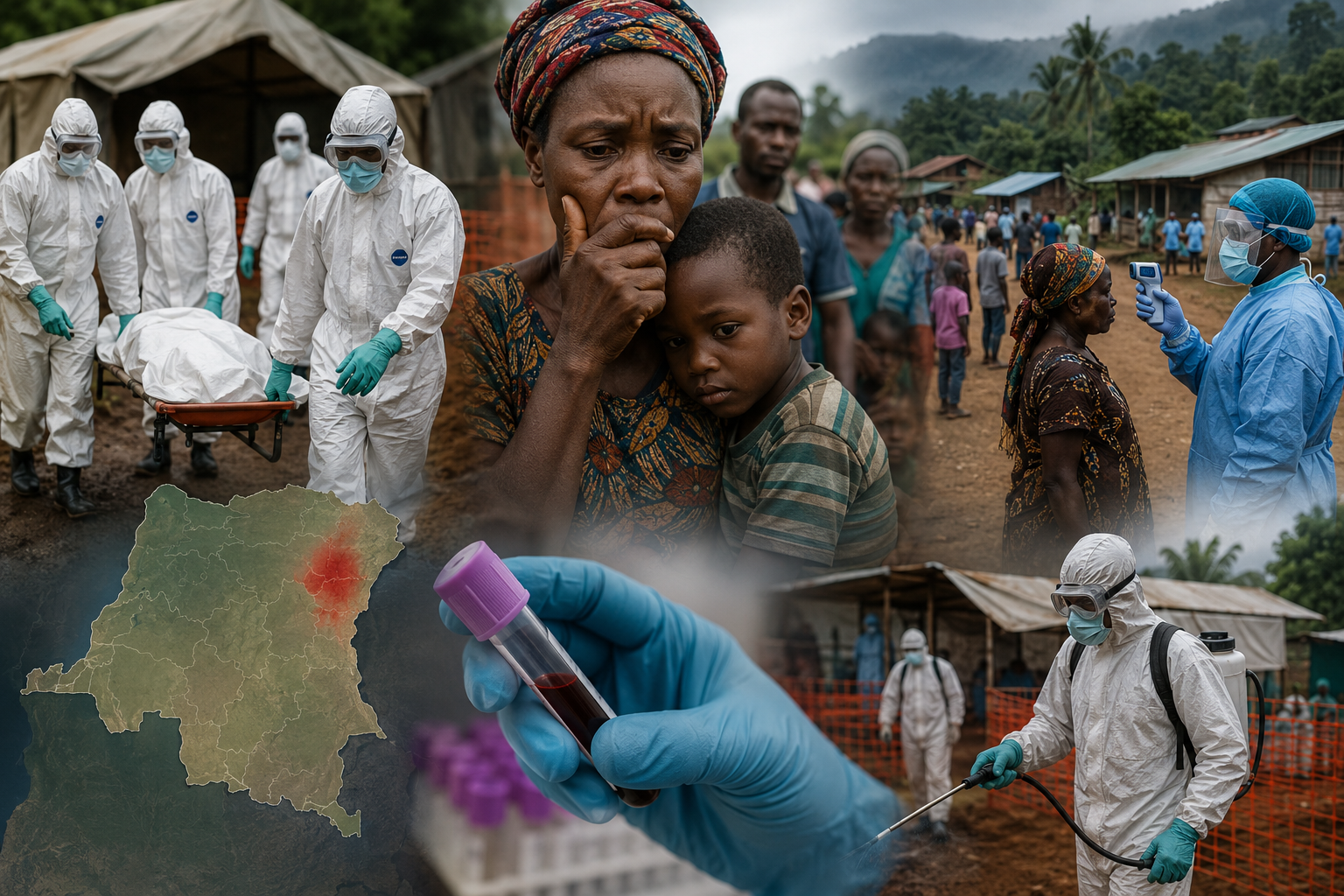
The outbreak is mainly affecting Ituri province in eastern DR Congo. This area has faced years of violence, armed conflict, and poor healthcare services, making it difficult for doctors and aid workers to respond quickly. Many villages are hard to reach because of insecurity, damaged roads, and weak medical systems.
MSF deputy director Dr Alan Gonzales said health workers are struggling to keep up with the rapid spread of the disease. He explained that many suspected cases are still waiting to be tested, meaning the real number of infections could be much higher. According to him, new suspected cases are being reported every day, while hundreds of medical samples have not yet been checked in laboratories.
The World Health Organization (WHO) is also deeply concerned. WHO chief Dr Tedros Adhanom Ghebreyesus visited Bunia, the capital city of Ituri province, to personally inspect the response efforts. During his visit, he met health workers and local officials to discuss the challenges they are facing.
Tedros said local communities must play an important role in stopping the virus because they understand their own problems and traditions better than outsiders. He also warned people about funeral practices that involve touching the bodies of those who died from Ebola. Since the virus can spread through direct contact with infected bodily fluids, such traditions can increase infections very quickly.
Despite the outbreak, life in Bunia still appears mostly normal. People continue shopping, trading, and traveling around the city. At the airport, passengers are asked to wash their hands before entering. Health warnings are also being broadcast on radio and television in local languages and French to educate people about the dangers of Ebola.
One positive development is that medical testing has become faster. In the past, samples from suspected Ebola patients had to be sent more than 1,500 kilometers away to Kinshasa, the capital of DR Congo. This caused dangerous delays. Now, a laboratory in Bunia can test samples locally and provide results within 24 hours. Doctors believe this improvement will help them identify infected patients more quickly and begin treatment sooner.
The outbreak has already spread beyond DR Congo’s borders. Uganda has confirmed several Ebola cases and one death linked to travelers from Congo. Health authorities in neighboring countries are increasing border checks and preparing hospitals in case more cases appear.
Meanwhile, health officials in Brazil are also investigating a suspected Ebola case involving a man who recently returned from DR Congo. Reports say the patient has been isolated while doctors carry out tests. Although it is only a suspected case, it shows how international travel can quickly spread dangerous diseases across continents.
The current outbreak involves a rare strain of Ebola called Bundibugyo. This type of Ebola is especially worrying because there is no fully proven vaccine available for it. Health experts say the virus kills about one-third of infected patients.
Ebola is a deadly disease that usually starts in animals, especially fruit bats. Humans can become infected through contact with infected animals or by eating contaminated meat. Once the virus spreads to humans, it can pass from person to person through bodily fluids such as blood, saliva, sweat, urine, vomit, and diarrhea.
The disease can also spread through contaminated clothing, bedding, needles, or medical equipment. Symptoms often include fever, weakness, vomiting, diarrhea, muscle pain, and internal bleeding. Without quick treatment, Ebola can become fatal.
Health experts say stopping the outbreak will require stronger international support, faster testing, more medical supplies, and better public awareness. Aid groups are calling for safe borders, open airports for humanitarian deliveries, and increased funding to support treatment centers.
The ongoing conflict in eastern DR Congo is making the situation even harder. Violence in the region limits access to communities and sometimes forces health workers to stop operations for safety reasons. Experts fear the combination of war, poverty, and disease could create a humanitarian disaster if the outbreak is not controlled soon.
The WHO, MSF, and local health authorities continue to urge people to follow safety guidelines, avoid direct contact with infected individuals, and report symptoms early. They hope that with stronger cooperation between communities and international organizations, the outbreak can be contained before it spreads further across Africa and beyond.
Summary
The Ebola outbreak in the Democratic Republic of Congo is spreading very quickly, with over 1,000 suspected cases and at least 246 deaths reported within two weeks. Doctors Without Borders (MSF) and the World Health Organization (WHO) have warned that the situation is very serious, especially in the eastern Ituri province. Health workers are struggling because of conflict, delayed testing, and poor healthcare systems. Uganda has already confirmed some Ebola cases linked to travelers from Congo, while Brazil is investigating a suspected case. Experts say stronger international support and public awareness are urgently needed to stop the deadly virus from spreading further.
Content
×
![]()