
Iran has warned that Israeli military operations in Lebanon could jeopardize its ceasefire agreement with the United States, raising fears of a wider regional conflict. The warning follows a new round of Israeli threats and military actions targeting Hezbollah positions in Lebanon, particularly in the southern suburbs of Beirut.
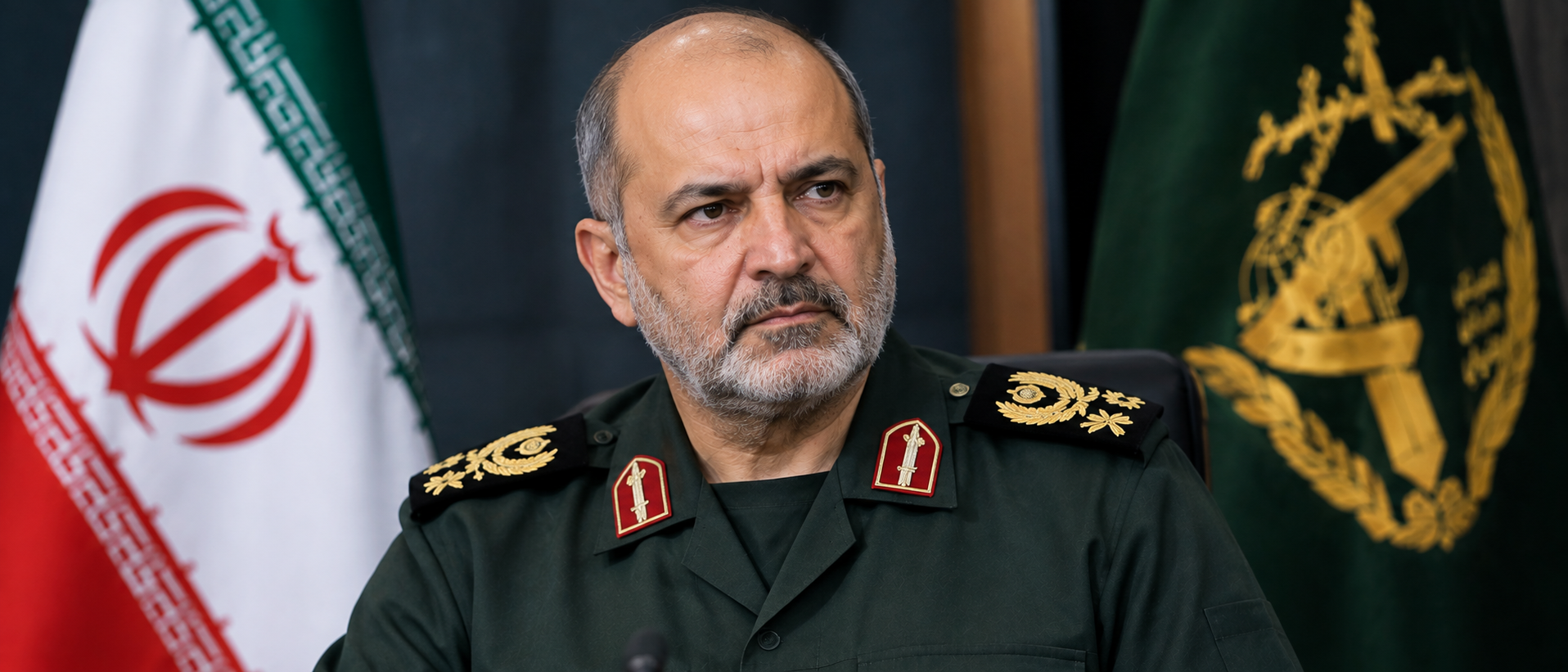
Iranian Foreign Minister Abbas Araghchi stated that the ceasefire between Iran and the United States applies to all areas of conflict, including Lebanon. According to him, any violation of the agreement in Lebanon should be considered a violation of the ceasefire as a whole. His comments reflect Tehran's position that the various conflicts in the region cannot be separated from one another.
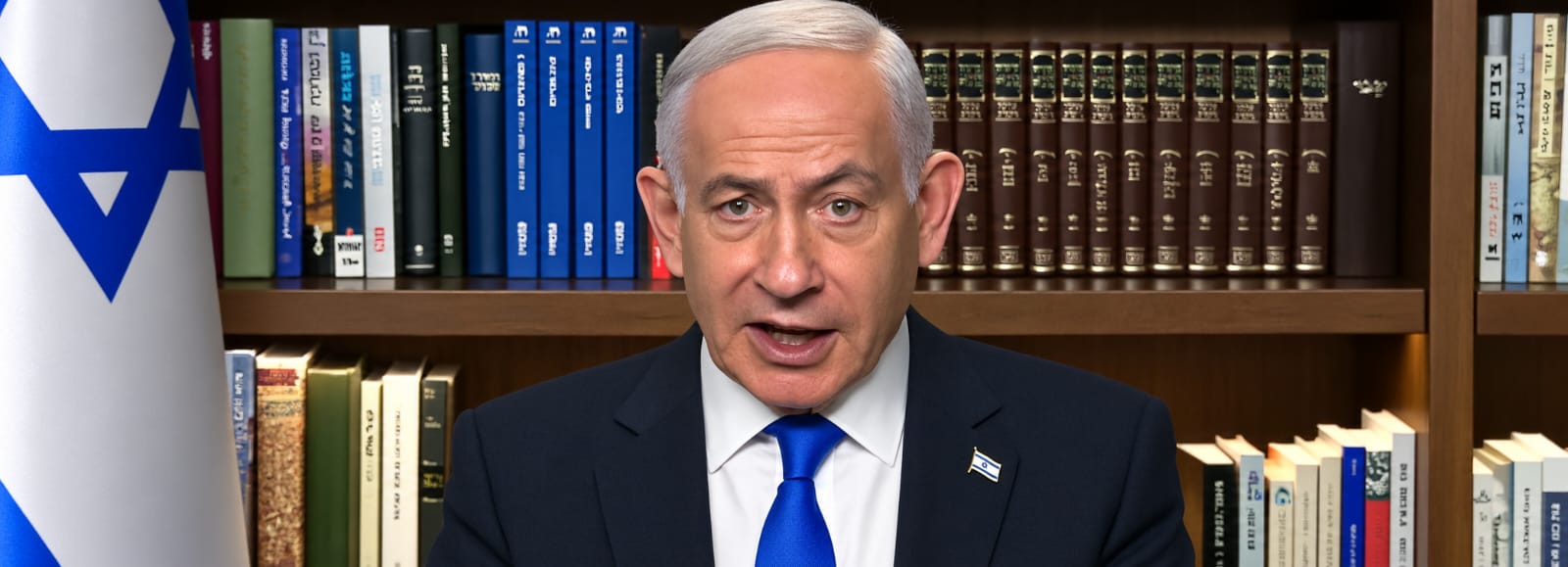
The latest tensions began after Israeli Prime Minister Benjamin Netanyahu ordered military action against what Israel described as Hezbollah "terror targets" in Beirut's Dahieh district. Israel said the planned strikes were a response to rocket and drone attacks launched by Hezbollah, the Lebanese armed group that has long been supported by Iran.
For many residents of Beirut's southern suburbs, the threat of renewed Israeli strikes created immediate fear and uncertainty. Reports indicated that numerous families left their homes after the Israeli military issued warnings urging civilians to evacuate areas that could become targets. Such scenes have become increasingly common during periods of escalation between Israel and Hezbollah.
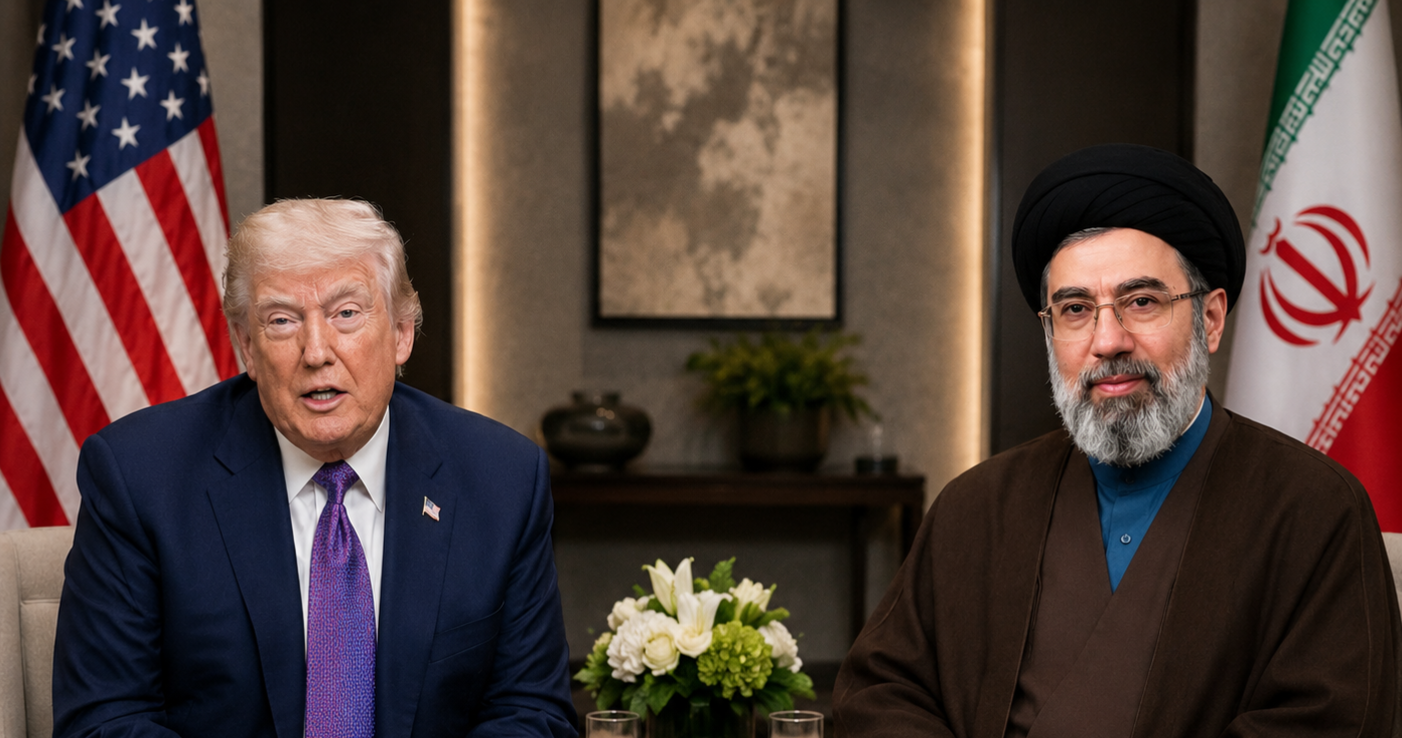
The situation quickly attracted international attention, particularly from the United States. President Donald Trump attempted to calm tensions by announcing that he had spoken with both Israeli officials and representatives connected to Hezbollah. Trump said the discussions were productive and suggested that both sides had agreed to stop attacks.
According to Trump, Israel would not send additional troops into Beirut and any forces already moving toward the city had been turned back. He also claimed that Hezbollah had agreed to stop attacks against Israel, creating hope that a larger confrontation could be avoided.
However, despite these statements, uncertainty remains. Netanyahu later confirmed speaking with Trump but emphasized that Israel reserved the right to strike Hezbollah targets if attacks against Israeli civilians continued. He also stated that Israeli military operations in southern Lebanon would continue as planned.
Lebanese officials have meanwhile tried to promote a diplomatic solution. The office of Lebanese President Joseph Aoun announced that Hezbollah had accepted a proposal supported by the United States for a mutual cessation of attacks. Under the reported arrangement, Israeli air strikes on Beirut's southern suburbs would stop while Hezbollah would halt attacks against Israel.
The proposal is viewed as an attempt to extend the current ceasefire and prevent the conflict from expanding further. Lebanese authorities hope such an agreement could eventually cover the entire country rather than only specific areas of military activity.
Iran's concerns go beyond Lebanon itself. Tehran sees Hezbollah as one of its most important regional allies and views attacks on the group as directly affecting its own security interests. Iranian leaders have repeatedly argued that stability in Lebanon is essential for broader regional peace.
Reports in Iranian media suggested that Tehran could even suspend indirect negotiations with Washington if Israeli military operations continue. Some reports also indicated that Iran and its allies might consider applying pressure in other strategic locations, including the Bab al-Mandab Strait near the entrance to the Red Sea, an important global shipping route.
Although Iranian officials have not officially confirmed these reports, state media have warned that the chances of the ceasefire collapsing could increase if Israeli operations in Lebanon continue.
The current ceasefire between Iran and the United States came into effect on April 8 after months of conflict. Despite the agreement, military confrontations have continued in various forms, showing how fragile the situation remains.
The United States has attempted to separate negotiations with Iran from events in Lebanon. However, Iran insists that any comprehensive agreement must address the fighting involving Hezbollah. From Tehran's perspective, peace cannot be achieved if one front remains active while negotiations continue elsewhere.
Diplomatic efforts have intensified in recent weeks. US Secretary of State Marco Rubio reportedly proposed a gradual de-escalation plan to both Israeli and Lebanese leaders. The proposal aims to reduce violence step by step and create conditions for broader negotiations.
Meanwhile, Israel has already conducted several strikes in Beirut since the ceasefire between Israel and Lebanon began in April. Although the number of attacks has decreased compared to earlier stages of the conflict, the strikes continue to generate concern among international observers.
Reports suggest that the White House has pressured Israel to limit military operations in Beirut to avoid undermining ongoing negotiations with Iran. Washington hopes that reducing violence in Lebanon could improve the chances of reaching a broader regional agreement.
At the same time, tensions between Iran and the United States have increased in another critical area: the Strait of Hormuz. Over the weekend, both countries reported carrying out military actions against each other's forces and facilities. These incidents further complicated efforts to preserve the ceasefire.
The Strait of Hormuz is one of the world's most important energy routes. Roughly one-fifth of global oil and liquefied natural gas shipments pass through the waterway. Any disruption to shipping in the area can have major economic consequences around the world.
As news of the latest military exchanges spread, oil prices rose sharply. Investors worried that further conflict could threaten energy supplies and disrupt international trade. Higher oil prices often lead to increased transportation and energy costs in many countries.
The wider conflict involving Iran, Israel, Hezbollah, and the United States has already lasted for months. While all sides continue to speak about diplomacy, military actions and threats remain common. This combination of negotiations and armed confrontation creates a highly unpredictable environment.
President Trump has repeatedly expressed optimism that a permanent agreement can be reached between Washington and Tehran. However, despite several rounds of talks and ceasefire arrangements, no final deal has been announced.
For now, the future remains uncertain. Israel insists it must respond to security threats from Hezbollah. Iran maintains that attacks on its allies threaten regional stability. Lebanon seeks to avoid becoming the center of a larger war, while the United States continues efforts to prevent the conflict from expanding.
The coming weeks may prove crucial. If diplomatic efforts succeed, the region could move closer to a broader ceasefire and eventual peace negotiations. If tensions continue to rise, however, the risk of a wider conflict involving multiple countries will remain a serious concern for the Middle East and the international community.
Summary
Iran has warned that continued Israeli attacks against Hezbollah in Lebanon could end the fragile ceasefire between Tehran and Washington. The warning came after Israel announced new strikes on Hezbollah targets in Beirut's southern suburbs. While US President Donald Trump says efforts are continuing to prevent further escalation, tensions remain high across the Middle East. The situation highlights how conflicts involving Israel, Lebanon, Iran, and the United States have become increasingly interconnected, making it more difficult to achieve lasting peace.
Content
×
![]()