
Israel and Hezbollah have agreed to a US-backed plan aimed at reducing violence, but clashes continued in southern Lebanon after the announcement.
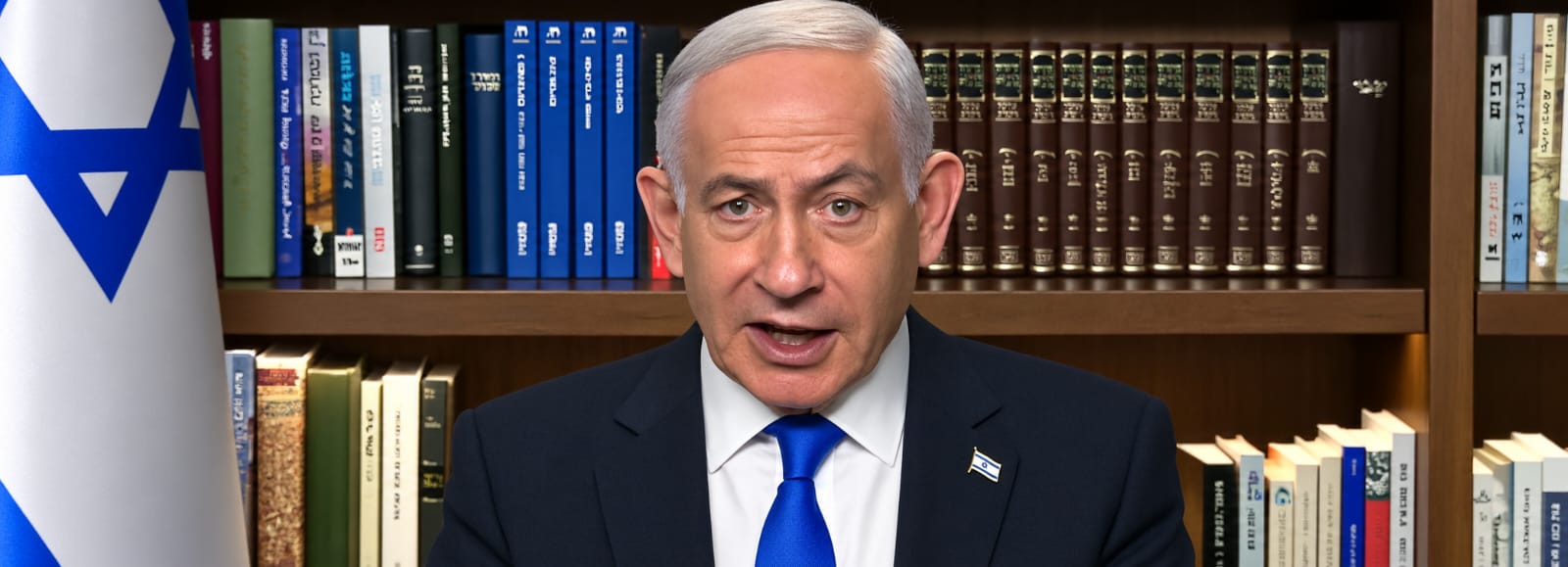
US President Donald Trump said he spoke with both sides and that they agreed to stop attacks. Lebanon confirmed that Hezbollah accepted the proposal, while Israel said it would limit its operations but reserved the right to respond if Hezbollah continued attacking Israeli civilians.
Despite the agreement, Hezbollah said it fired missiles and shells at Israeli tanks in southern Lebanon. The Israeli military reported that it intercepted two projectiles launched from Lebanon and said no injuries were reported.
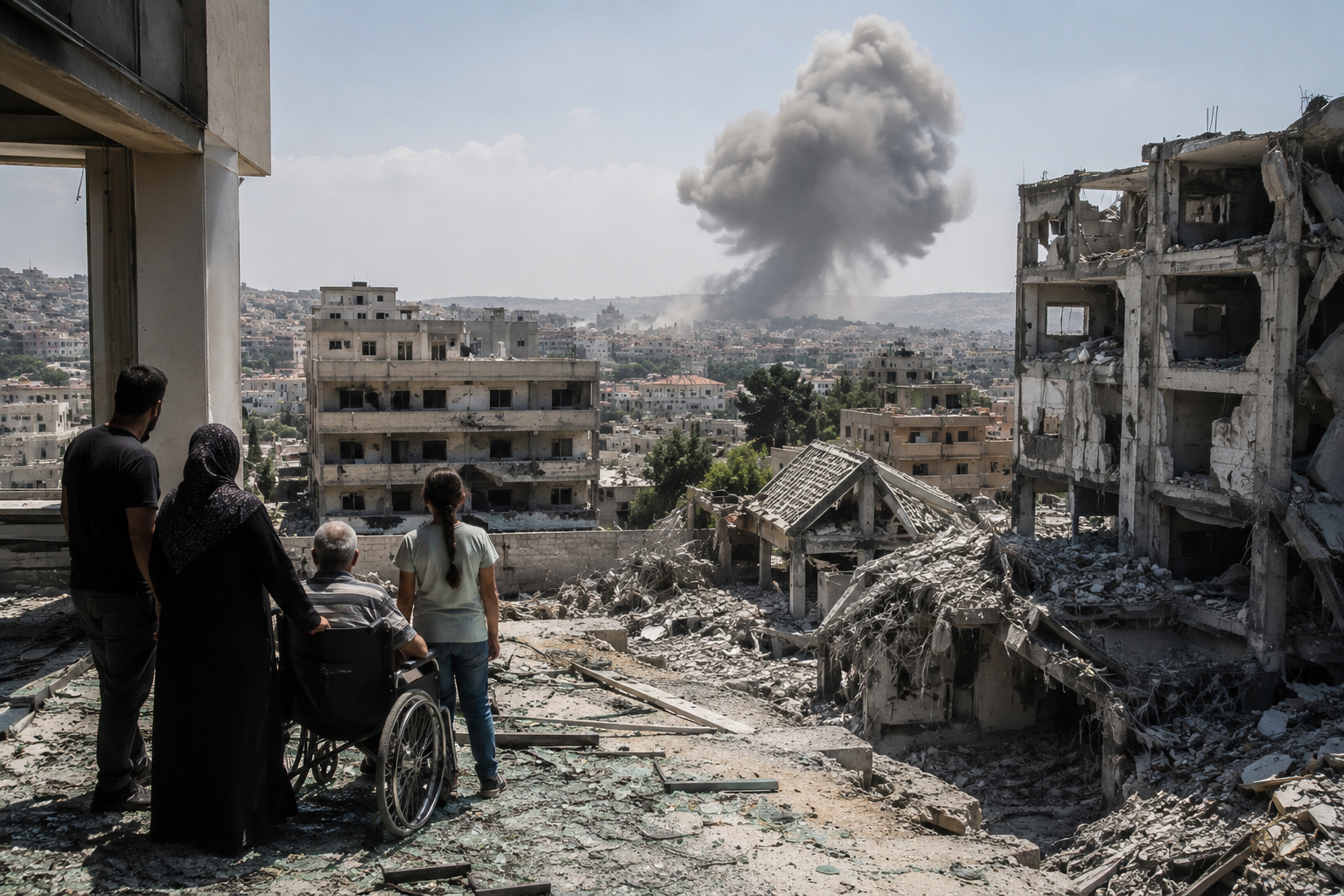
Lebanese media also reported Israeli strikes in several southern areas. A powerful explosion was reported in the town of Debbine, while an Israeli attack in the city of Tyre damaged the Jabal Amel Hospital and destroyed a nearby building.
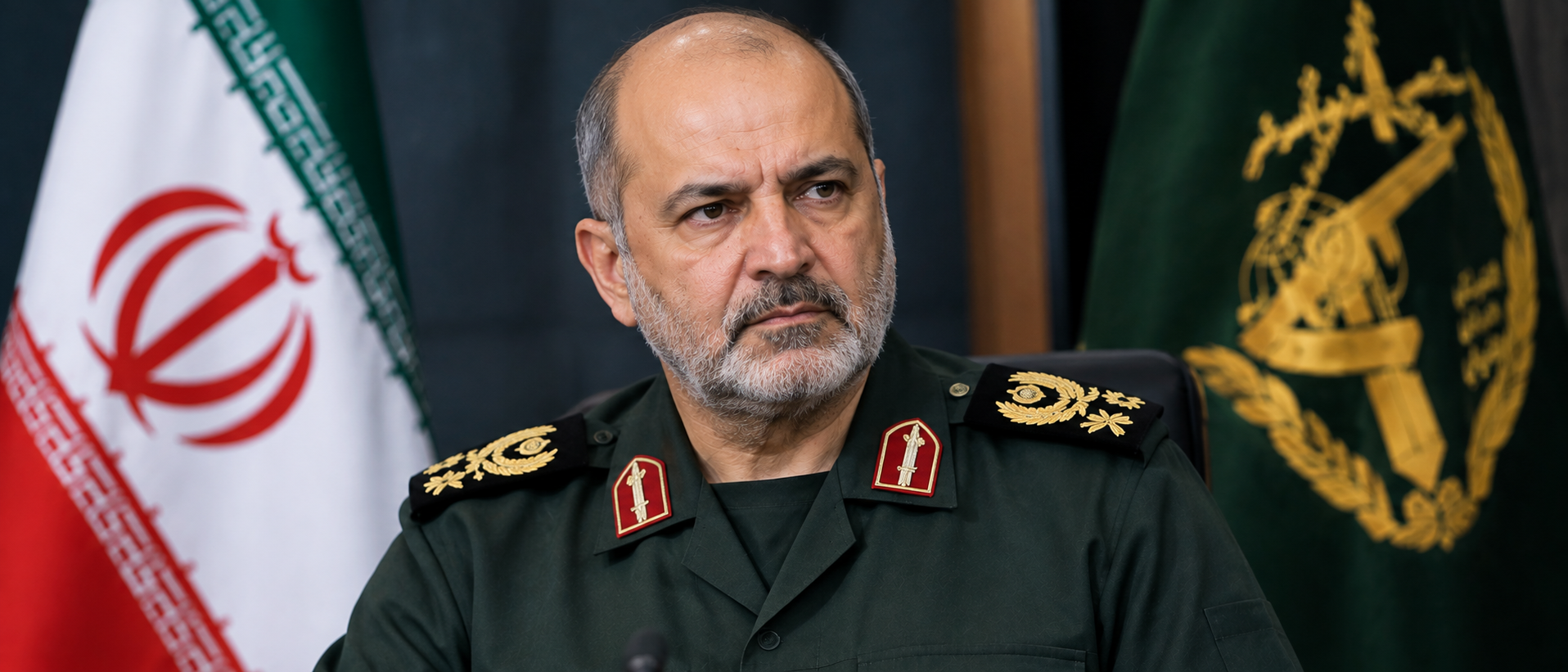
The situation has also increased tensions between Iran and Israel. Iranian officials warned that attacks in Lebanon could undermine the wider ceasefire between Iran and the United States. Iran also suggested that ongoing military action could affect diplomatic talks with Washington.
The conflict in Lebanon began after Hezbollah launched attacks on Israel in support of Iran. Israel responded with air strikes and ground operations in southern Lebanon. Since then, thousands of people have been killed and many more displaced.
The continuing violence has also affected global energy markets. Concerns about security in the Strait of Hormuz, a key oil shipping route, have pushed oil prices higher and increased worries about global energy supplies.
Although diplomatic efforts are ongoing, the latest exchanges of fire show that the situation remains fragile and a lasting peace has not yet been achieved.
Summary
Fighting continued in southern Lebanon even after Israel and Hezbollah accepted a US-backed partial ceasefire plan. Both sides reported attacks overnight, while Iran warned that continued Israeli military action in Lebanon could threaten the broader ceasefire efforts in the region.
Content
×
![]()