
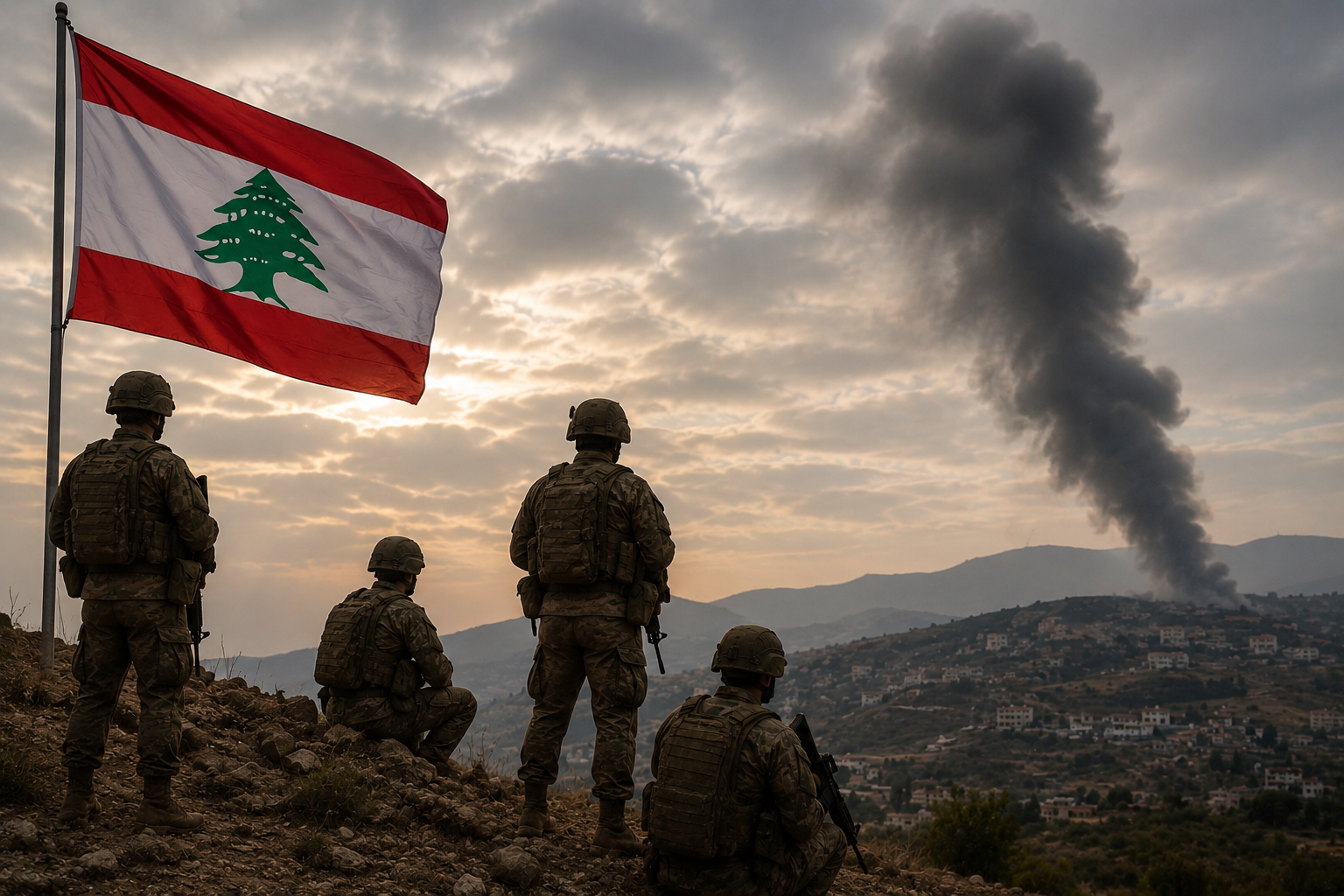
Lebanon says a proposed ceasefire agreement could be its final opportunity to end the ongoing conflict in southern Lebanon. The announcement comes as fighting between Israeli forces and Hezbollah continues, causing more destruction, injuries, and displacement across the region.
In a significant development, Lebanese Army units entered the southern village of Dibbine after Israeli forces withdrew from the area. The deployment of the Lebanese Army is seen as an important step, showing that the Lebanese government is trying to restore stability and strengthen state control in areas affected by the conflict.
Lebanese officials say they are working toward what they describe as a “comprehensive ceasefire deal.” The proposed agreement is reportedly being supported by diplomatic efforts led by the United States. However, officials have made it clear that no final agreement has been reached yet, and negotiations are still ongoing.
According to Lebanese authorities, this deal may represent the country's last realistic chance to stop the fighting before the situation becomes even more dangerous. Government leaders believe that a ceasefire could help prevent further destruction, reduce civilian suffering, and create conditions for long-term stability.
However, the proposal faces strong opposition from Hezbollah. The group's Secretary-General, Naim Qassem, rejected the entire framework of the negotiations. He described the proposed agreement as "humiliating" and accused both the United States and Israel of attempting to achieve political goals through negotiations that they could not achieve through military action.
Hezbollah's rejection highlights the deep divisions within Lebanon over how to handle the conflict. While government officials argue that diplomacy offers the best path forward, Hezbollah believes the proposed terms are unacceptable and could weaken Lebanon's position.
Lebanon's Prime Minister, Nawaf Salam, defended the ongoing negotiations. He said that diplomacy remains the least costly option for Lebanon at a time when the country is already facing major economic and social challenges.
Salam argued that continued warfare would bring even more suffering to Lebanese communities. He stressed that negotiations may not be perfect, but they provide a chance to stop the violence and prevent a larger crisis. The prime minister also stated that those who oppose the deal should be prepared to accept responsibility if the conflict worsens.
Despite these diplomatic efforts, military operations have not stopped. Israeli air strikes and artillery attacks continued to target towns and villages across southern Lebanon. Residents in many areas have been forced to leave their homes as the violence continues. Entire communities have faced repeated attacks, causing damage to homes, infrastructure, and public services.
The humanitarian situation remains difficult for many civilians living near the conflict zone. Families who have already been displaced multiple times are struggling with uncertainty about when they will be able to return home safely.
At the same time, the Israeli military reported that 63 officers and soldiers were wounded during fighting in southern Lebanon over the previous four days. The figures show that the conflict continues to have a significant impact on both sides.
The current negotiations are unusual because they are taking place while active fighting is still ongoing. Normally, ceasefire talks begin after military operations slow down. In this case, diplomats are attempting to build an agreement even as battles continue on the ground.
Beyond the immediate goal of stopping the fighting, there is also a larger question about Lebanon's future security and political structure. Many observers believe the country may need a new political and security arrangement to address the challenges that have fueled repeated conflicts in the region.
As negotiations continue, uncertainty remains high. Supporters of the ceasefire hope it can reduce violence and create space for further political discussions. Critics argue that the proposed framework may not address the underlying issues that caused the conflict in the first place.
The next few days are expected to be critical. Decisions made by political leaders, military commanders, and negotiators could determine whether Lebanon moves toward a fragile ceasefire or faces an even wider confrontation.
For now, both diplomacy and conflict continue side by side, leaving the future of southern Lebanon uncertain as the region waits to see whether peace efforts can succeed.
Summary
Lebanon says a proposed ceasefire agreement may be its last chance to stop the war in southern Lebanon. While the Lebanese government supports negotiations led by the United States, Hezbollah has rejected the proposal. Fighting between Israeli forces and Hezbollah continues, with air strikes, artillery attacks, and casualties reported on both sides. The coming days could decide whether the conflict moves toward a ceasefire or a larger regional confrontation.
Content
×
![]()