
Foad Izadi, a professor at the University of Tehran, says Iran is looking for a real and lasting peace agreement rather than what he described as an “Israeli-style ceasefire”, where fighting officially stops but military actions continue.
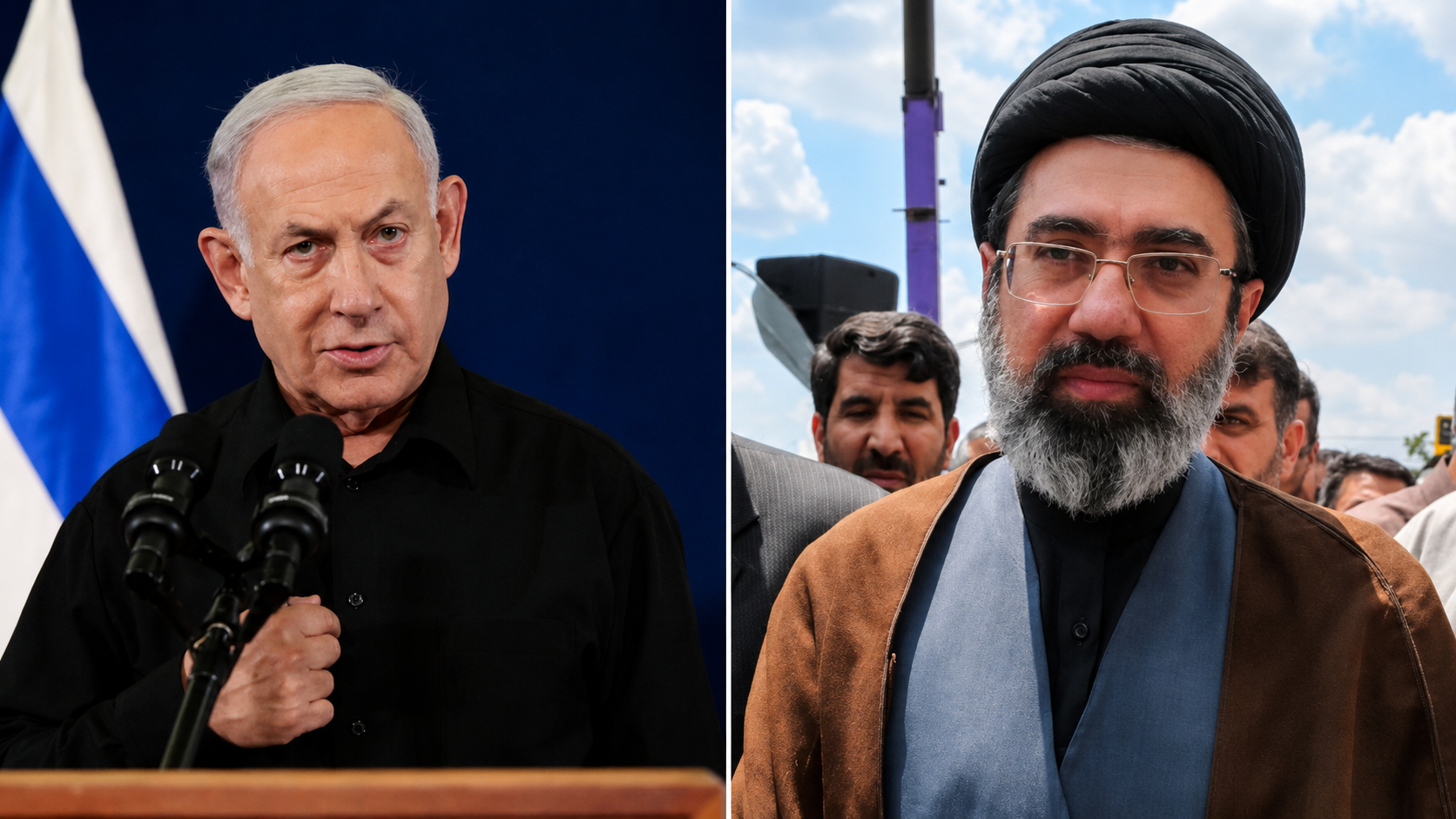
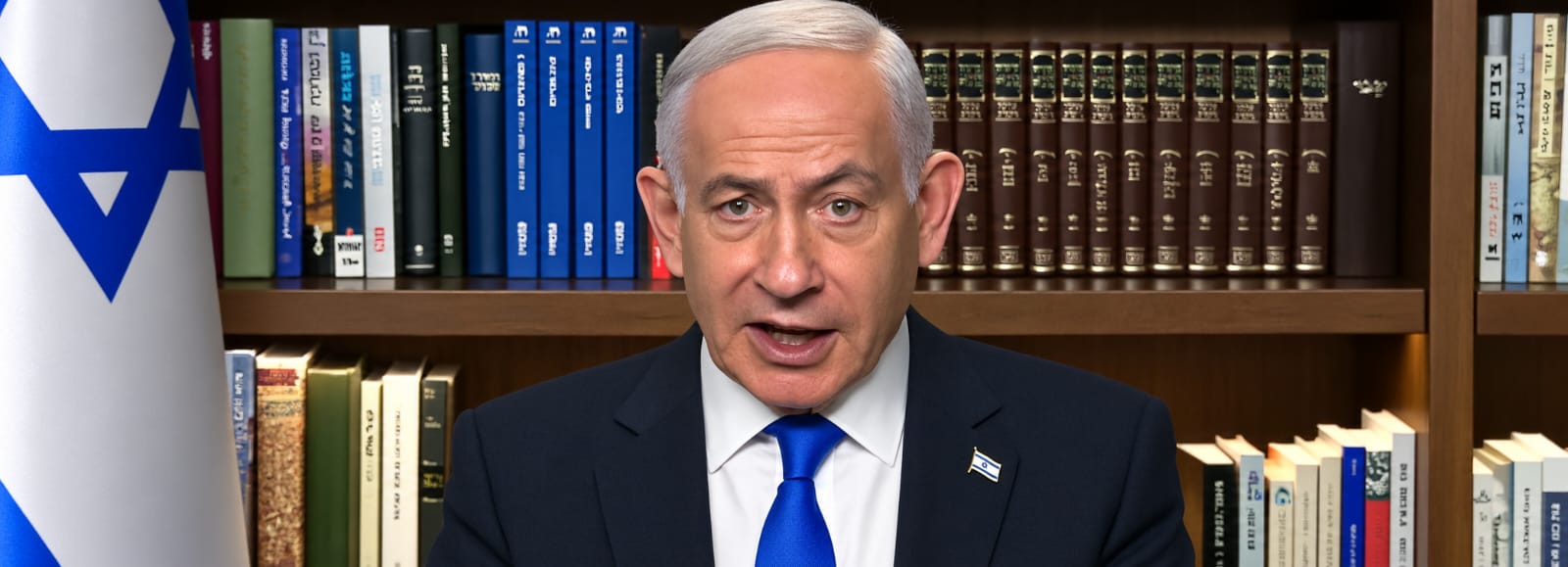
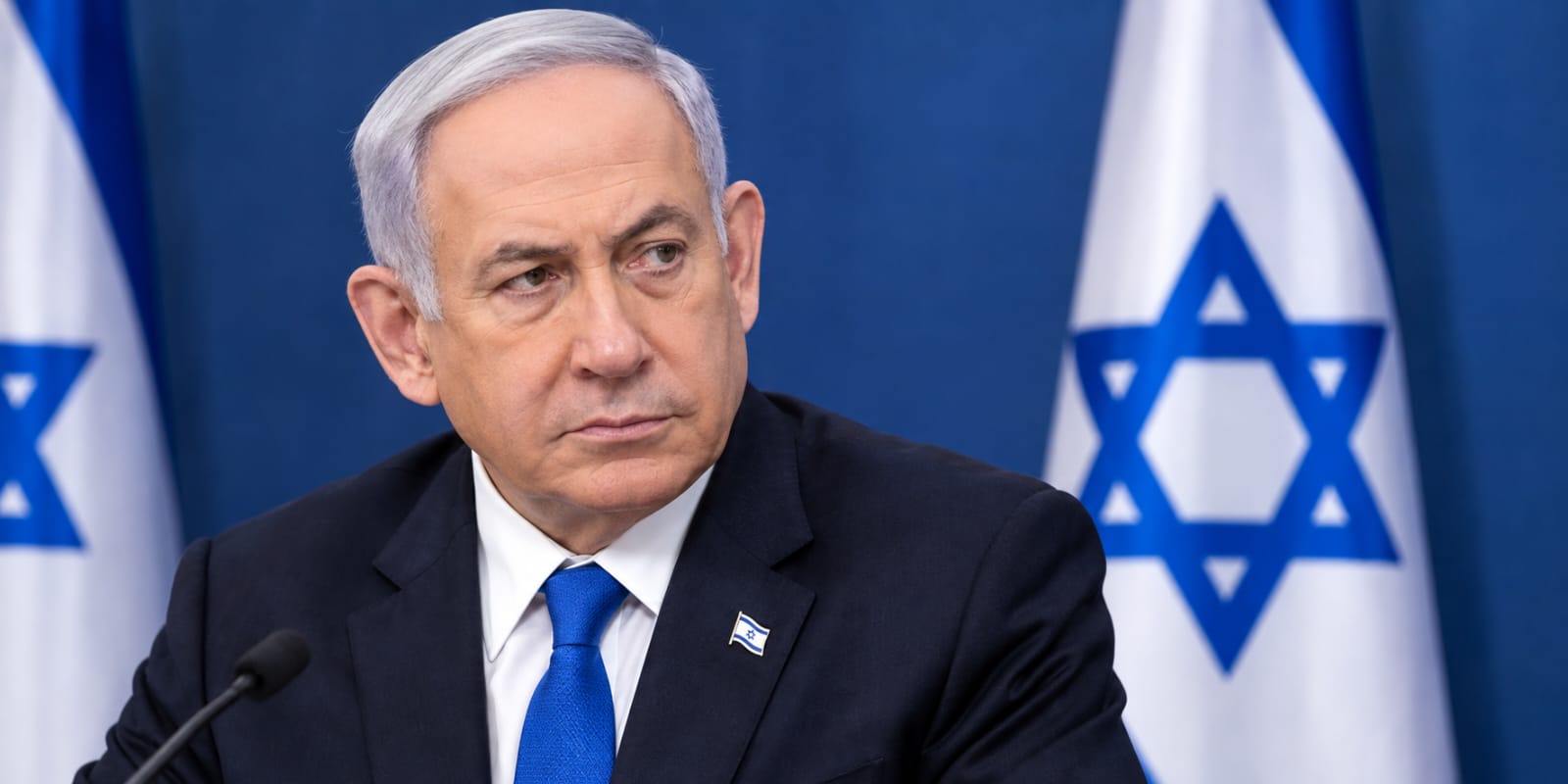
Speaking to Al Jazeera, Izadi argued that Israel has never been genuinely interested in peace with Iran and claimed that Prime Minister Benjamin Netanyahu wants negotiations between Tehran and Washington to fail. According to him, recent tensions and military exchanges have made diplomatic efforts more difficult and increased distrust between the parties involved.
Izadi described Israel as a “predictable adversary”, claiming that its leadership prefers confrontation over compromise. He also linked Netanyahu’s political situation to the ongoing conflict, noting that the Israeli leader continues to face a long-running corruption trial and political pressure at home.
According to Izadi, Netanyahu has been able to postpone court appearances due to security concerns and wartime conditions. He suggested that political considerations, including upcoming elections in Israel, may influence decisions regarding regional conflicts and diplomatic initiatives.
The professor argued that it was foreseeable that Netanyahu would attempt to disrupt talks between Iran and the United States. In his view, any improvement in relations between Tehran and Washington could reduce tensions in the region and weaken support for continued confrontation.
Izadi said some people may question why Iran became involved in a situation that, in his opinion, allowed efforts to derail negotiations. He responded by saying that Iran is not interested in a ceasefire that exists only on paper while military attacks continue in practice.
According to him, Iranian leaders want guarantees that any future agreement would be respected by all sides and would provide genuine security rather than a temporary pause in fighting. He argued that a sustainable peace arrangement requires trust, enforcement mechanisms, and commitments from all parties involved.
Izadi also suggested that the role of the United States will be critical in determining whether a lasting ceasefire can be achieved. He said the responsibility ultimately falls on US President Donald Trump to decide whether Washington will push for a durable agreement and ensure that all parties adhere to its terms.
The comments reflect Iran’s broader position that any future peace arrangement must go beyond a simple halt in hostilities and address the underlying causes of conflict. However, Israeli officials have repeatedly stated that their actions are driven by security concerns and the need to counter threats they believe originate from Iran and its regional allies.
The debate highlights the deep mistrust that continues to exist between Iran and Israel, making diplomatic progress difficult despite international calls for de-escalation. As tensions continue, the prospects for a comprehensive peace agreement remain uncertain, with both military developments and political calculations likely to influence the path forward.
Summary
An Iranian academic says Tehran wants a genuine and lasting peace agreement rather than a ceasefire that could be broken by continued military actions. He argues that Israeli Prime Minister Benjamin Netanyahu has worked to undermine diplomatic efforts between Iran and the United States and says the future of any ceasefire depends largely on US actions.
Content
×
![]()