
Iran has officially announced that it is ending its current military operations against Israel after a day of intense exchanges between the two countries. However, Iranian military leaders warned that this pause could be temporary if Israel continues attacks in Lebanon or Iran.
The announcement was made by Iran's top military command, known as the Khatam al-Anbiya Central Headquarters. In a statement, military officials said that operations against Israel had stopped for now. At the same time, they warned that any future Israeli attacks would be met with a response that would be "more severe and forceful than before."
The latest tensions began after Israel launched air strikes on southern Beirut, Lebanon. Iran said its military actions were a response to those attacks. Israel later carried out strikes inside Iran, leading to a rapid escalation of the conflict.
During the exchange, both sides reported attacks on important military and industrial targets. Iran's Islamic Revolutionary Guard Corps (IRGC) claimed it launched missile attacks against Israeli facilities, including a petrochemical plant in Haifa and two Israeli air bases. Iranian officials said these attacks were meant to respond to Israeli operations targeting Iranian infrastructure.
Israel, meanwhile, said it had struck several locations in Iran, including strategic defense systems and a petrochemical facility in Mahshahr in southwestern Iran. According to the Israeli military, the facility was linked to the production of materials used in Iran's missile program.
Videos verified by international media showed smoke rising from the Iranian petrochemical complex after the strikes. Iranian authorities confirmed damage to the site but said no casualties had been reported.
The conflict has also affected neighboring Lebanon. Hezbollah, the Iran-backed armed group based in Lebanon, announced that it launched rockets at Israeli troops operating in southern Lebanon. Hezbollah said the attack was carried out in response to what it described as Israeli violations of the ceasefire and continued military actions in Lebanese territory.
Israel has not yet provided detailed information about any casualties or damage from the Hezbollah attack. However, Israeli military operations in southern Lebanon are continuing as part of efforts to stop rocket launches into northern Israel.
The growing conflict has raised concerns around the world. Leaders from several countries have called for an immediate end to the violence and urged all sides to return to negotiations.
US President Donald Trump said that both Iran and Israel appear interested in reaching a ceasefire. In a message posted on social media, Trump stated that discussions on peace were moving forward and that both sides were looking for an immediate halt to fighting. He also stressed that military actions should stop quickly to avoid a larger regional conflict.
British Prime Minister Keir Starmer also expressed concern about the renewed violence. He called on all parties to return to a ceasefire and support diplomatic efforts aimed at achieving a lasting peace in the region.
Iran's Foreign Ministry said communication with the United States has continued despite the recent fighting. Foreign Ministry spokesman Esmail Baghaei stated that exchanges of messages between Tehran and Washington had not stopped. He also claimed that Pakistan has played an important role in helping both sides maintain communication and explore diplomatic solutions.
According to Iranian officials, Pakistan has acted as a mediator in recent months. Delegations from Iran and the United States reportedly held discussions through diplomatic channels earlier this year in an effort to reduce tensions and improve relations.
At the same time, Iranian leaders blamed the United States for supporting Israel and warned that any further escalation could have consequences for Washington as well. Tehran argued that American backing of Israeli military actions has contributed to the current crisis.
International observers say the situation remains extremely fragile. Analysts note that the Middle East is facing multiple conflicts at the same time, making it difficult to predict what will happen next. While Iran has announced a temporary halt to its attacks, the warning of future retaliation shows that tensions remain high.
Experts also point out that the conflict appears different from previous confrontations. In the past, Iran often relied on regional allies and proxy groups to respond to threats. Now, Iran is increasingly willing to engage directly with Israel, creating a more dangerous situation for the entire region.
Although there are signs that diplomatic efforts are continuing behind the scenes, there is still deep mistrust between the parties involved. Any new military strike could quickly undo progress toward peace and trigger another round of violence.
For now, Iran says its operations have stopped, but its warning is clear: if Israel launches further attacks, especially in Lebanon, Tehran is prepared to respond with greater force. As international leaders push for negotiations and a ceasefire, the coming days may determine whether the region moves toward peace or faces another escalation of conflict.
Summary
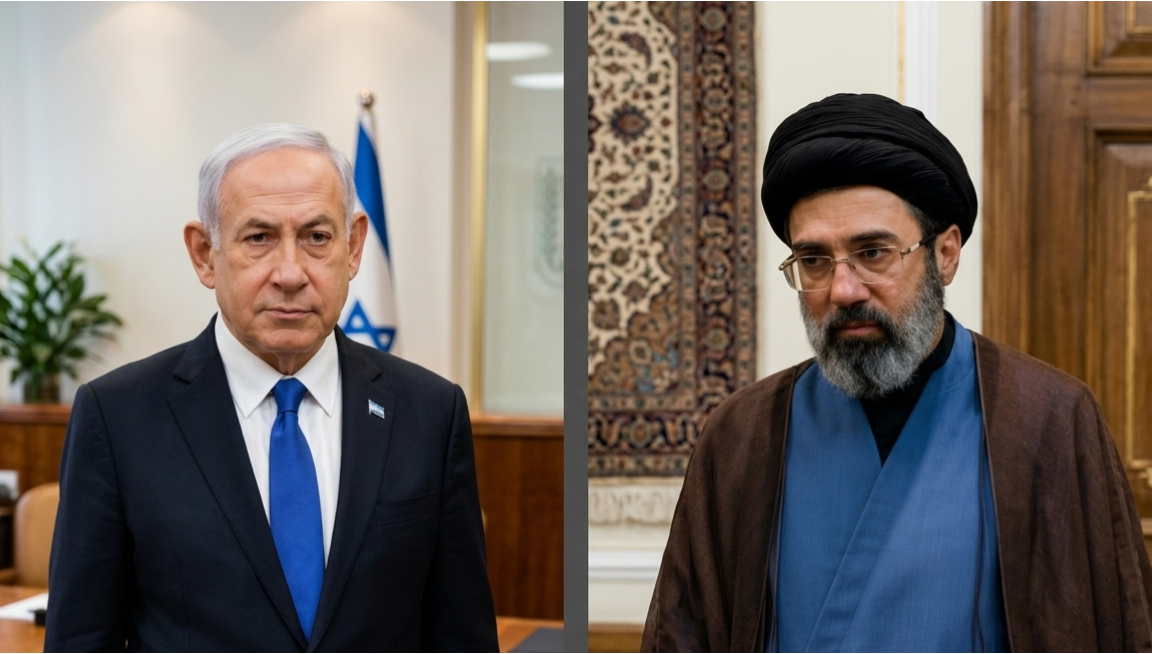
Iran has announced that it is stopping its current military attacks on Israel after both countries exchanged strikes over the past day. However, Iran warned that it will launch a much stronger response if Israel continues military operations, especially in southern Lebanon. The latest escalation comes as world leaders call for calm and US President Donald Trump pushes for an immediate ceasefire between the two sides.
Content
×
![]()