
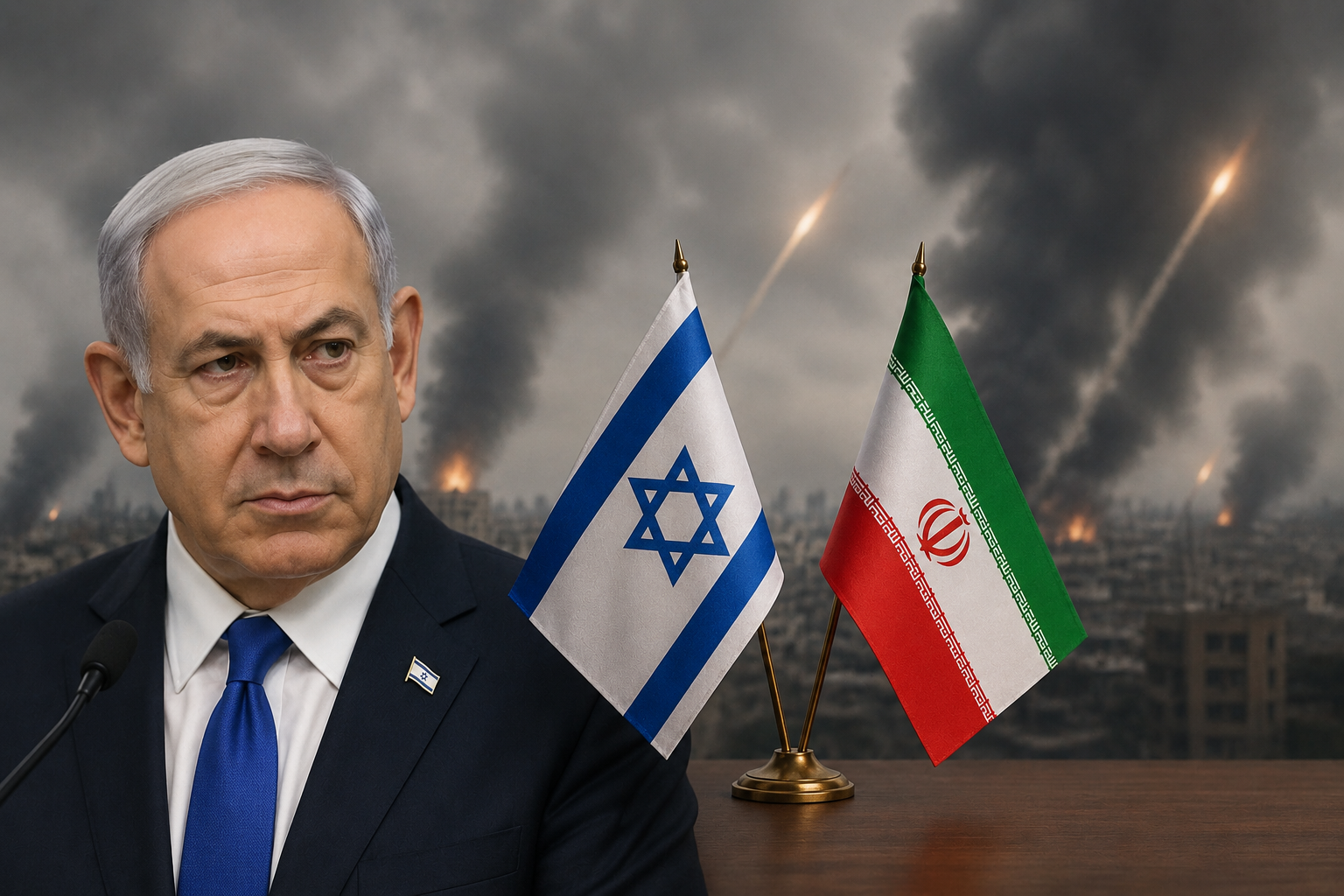
The conflict between Israel and Iran entered a new phase on Monday as both sides signaled a temporary pause in direct attacks after a day of missile exchanges and airstrikes.
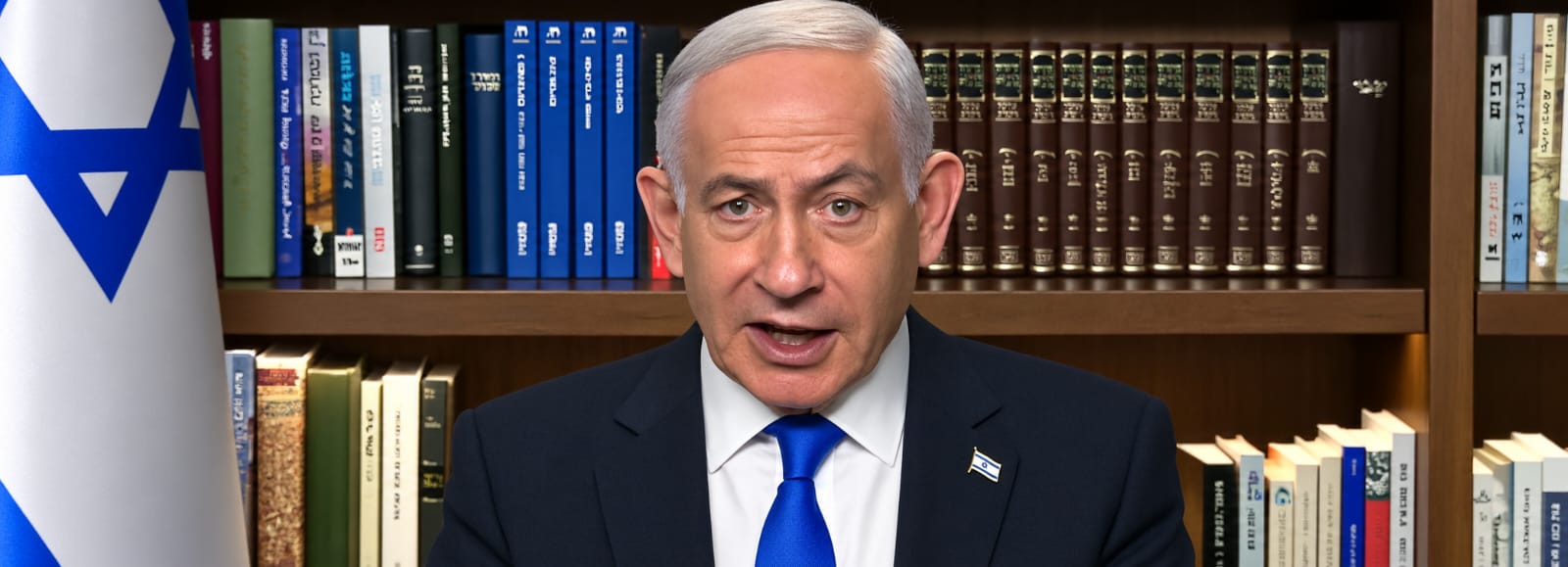
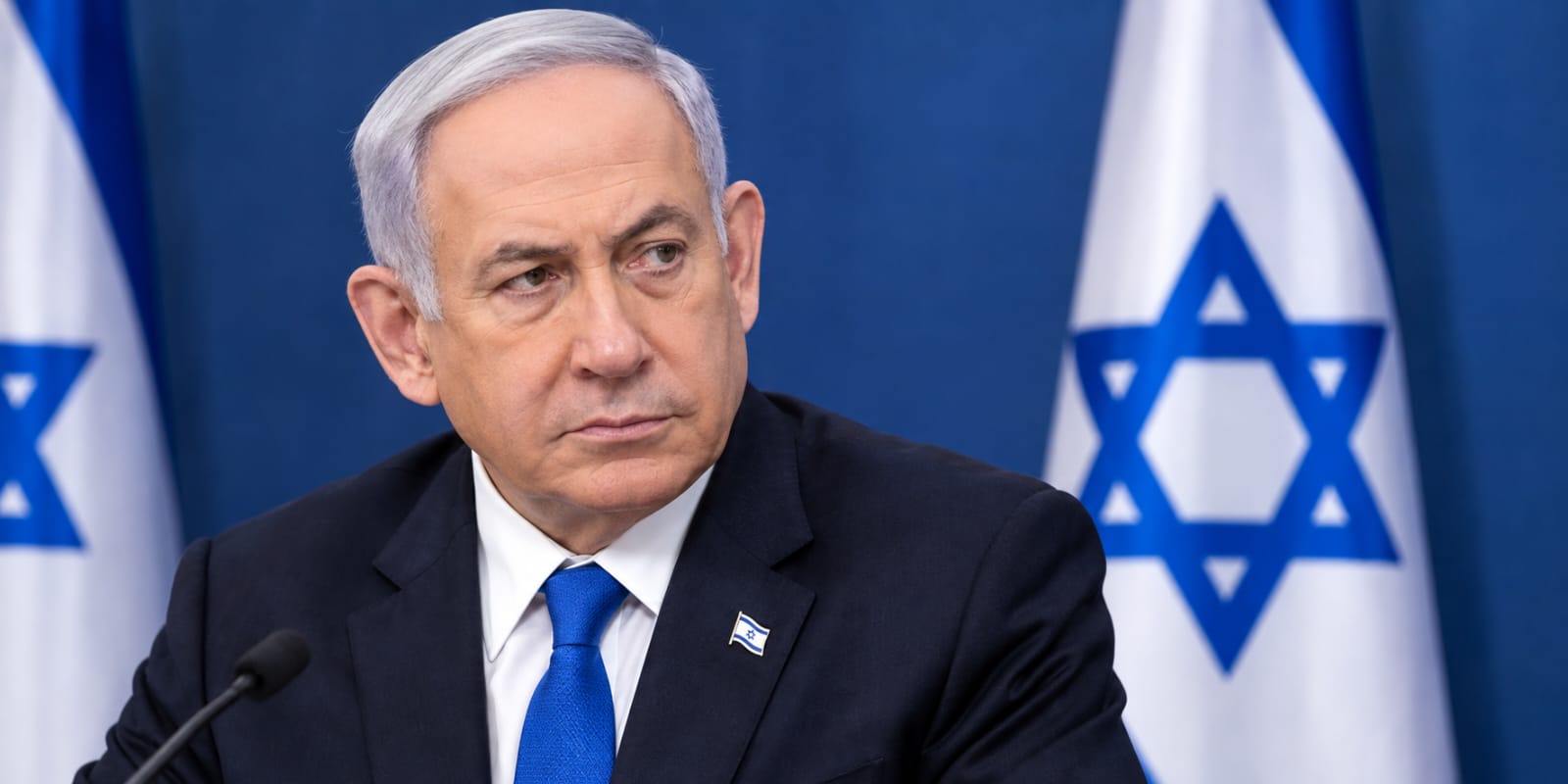
Israeli Prime Minister Benjamin Netanyahu said Israel is holding off attacks on Iran "for now." However, he warned that if Iran launches new attacks, Israel will respond with force. Netanyahu stated that Israel has the right to defend itself and will take whatever actions it considers necessary to protect its security.
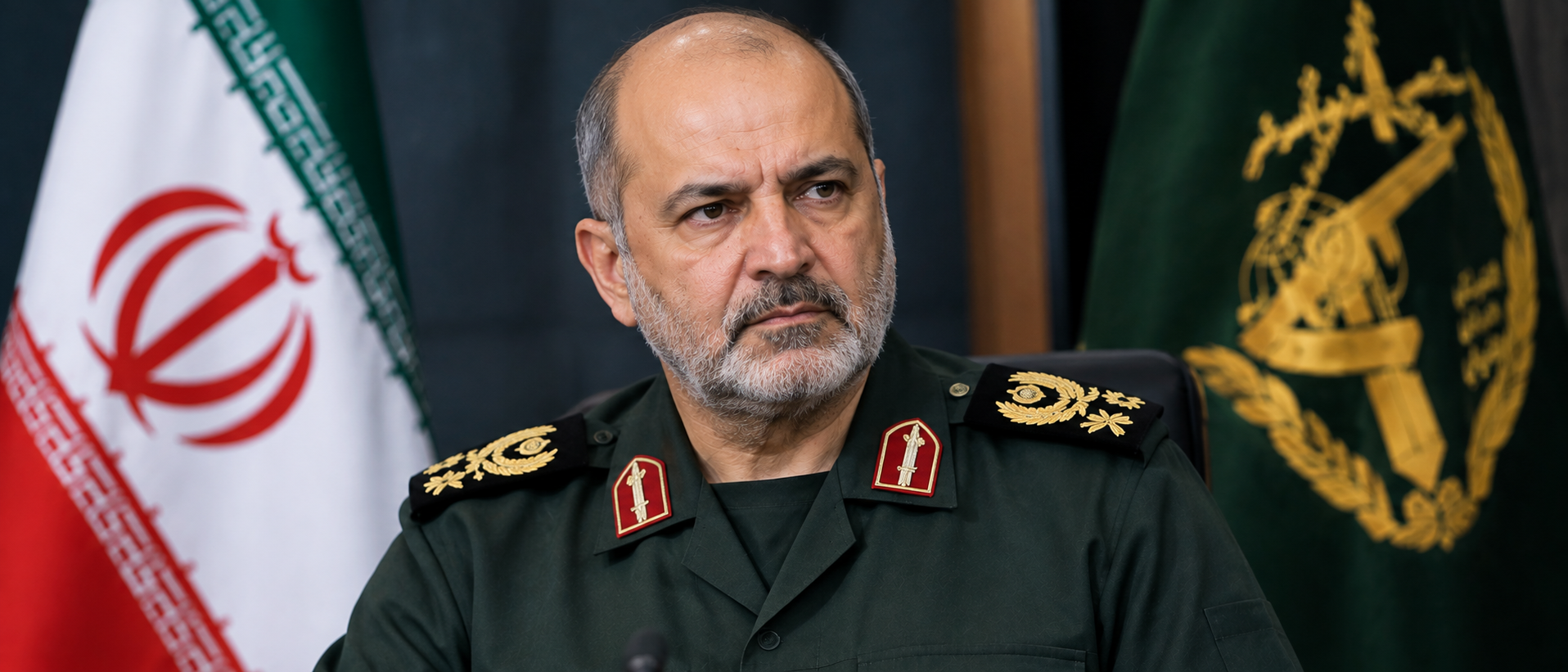
Earlier, Iran announced that it was stopping its current military operations against Israel. The announcement came from Iran's top military command, which said the country's armed forces were ending their current attacks. At the same time, Iranian officials warned that if Israel continues military operations in southern Lebanon, Iran could launch a stronger response than before.
The latest tensions began after Israel carried out airstrikes in southern Beirut, an area where the Iran-backed group Hezbollah has a strong presence. Iran considers Hezbollah a close ally and viewed the strikes as a violation of understandings that followed previous ceasefire efforts in the region.
In response, Iran launched missiles toward Israel. Israeli military officials said many of the missiles were intercepted, though some debris caused damage in parts of the Israeli-occupied West Bank. Images from the area showed damaged homes, cracked walls, and debris scattered inside buildings.
Israel then responded with airstrikes on targets inside Iran. According to Israeli military statements, the strikes targeted strategic defense systems and facilities linked to military operations. Iranian media also reported attacks on a petrochemical facility. Iran later claimed it had targeted Israeli military bases and a petrochemical site near Haifa in retaliation.
Despite the exchange of attacks, there are signs that international pressure may be helping to prevent a wider war. US President Donald Trump called on both countries to stop firing and move toward an immediate ceasefire. Reports from Israeli media suggested that Israel's decision to pause attacks may have followed discussions between Trump and Netanyahu. The White House confirmed that the two leaders spoke by phone, although details of the conversation were not released.
Meanwhile, fighting has not completely stopped in the region. Israel's Defense Minister Israel Katz said Israeli military operations against Hezbollah in Lebanon would continue. The Israeli military also reported missile launches from Lebanon, which it said were carried out by Hezbollah. Some missiles were intercepted, while others landed near military positions without causing casualties.
The Israeli military issued evacuation warnings to residents in parts of southern Lebanon, urging people to move away from areas where Hezbollah fighters and military equipment may be present. Israeli officials said operations against Hezbollah would continue as long as threats remain.
In Iran, authorities announced the cancellation of all flights until further notice. Parts of the country's airspace had already been closed as a precaution following the latest escalation. Several airports, including facilities in Tehran, had previously been damaged during earlier rounds of fighting.
Daily life in Tehran appeared relatively normal despite the tensions. Photos from the city showed people shopping, walking through markets, and continuing with everyday activities. However, many Iranians expressed concern about the future. Some told reporters they were tired of conflict and wanted both sides to avoid further escalation. Others worried about economic difficulties, internet disruptions, and the possibility of a larger war.
Pakistan's Prime Minister Shehbaz Sharif also called for restraint. He urged all parties to give peace a chance and continue diplomatic efforts aimed at reducing tensions. Pakistan has played a role in mediating discussions between Iran and the United States in recent months.
The European Union has also taken action, announcing new sanctions against Iran over alleged disruptions to shipping traffic in the Strait of Hormuz. EU officials said the measures target individuals and organizations linked to actions that threaten freedom of navigation in the strategic waterway.
Although both Israel and Iran have paused their direct attacks for now, the situation remains fragile. Threats from both sides, continued fighting involving Hezbollah in Lebanon, and ongoing regional tensions mean that the risk of renewed violence remains high. For many people across the Middle East, the hope is that diplomacy can prevent another major escalation and bring greater stability to the region.
Summary
Israel says it is temporarily stopping attacks on Iran after both countries exchanged missile strikes. Iran has also announced a halt to its attacks but warned it will respond strongly if Israel continues military action in southern Lebanon. While leaders talk about reducing tensions, the situation across the Middle East remains unstable.
Content
×
![]()