
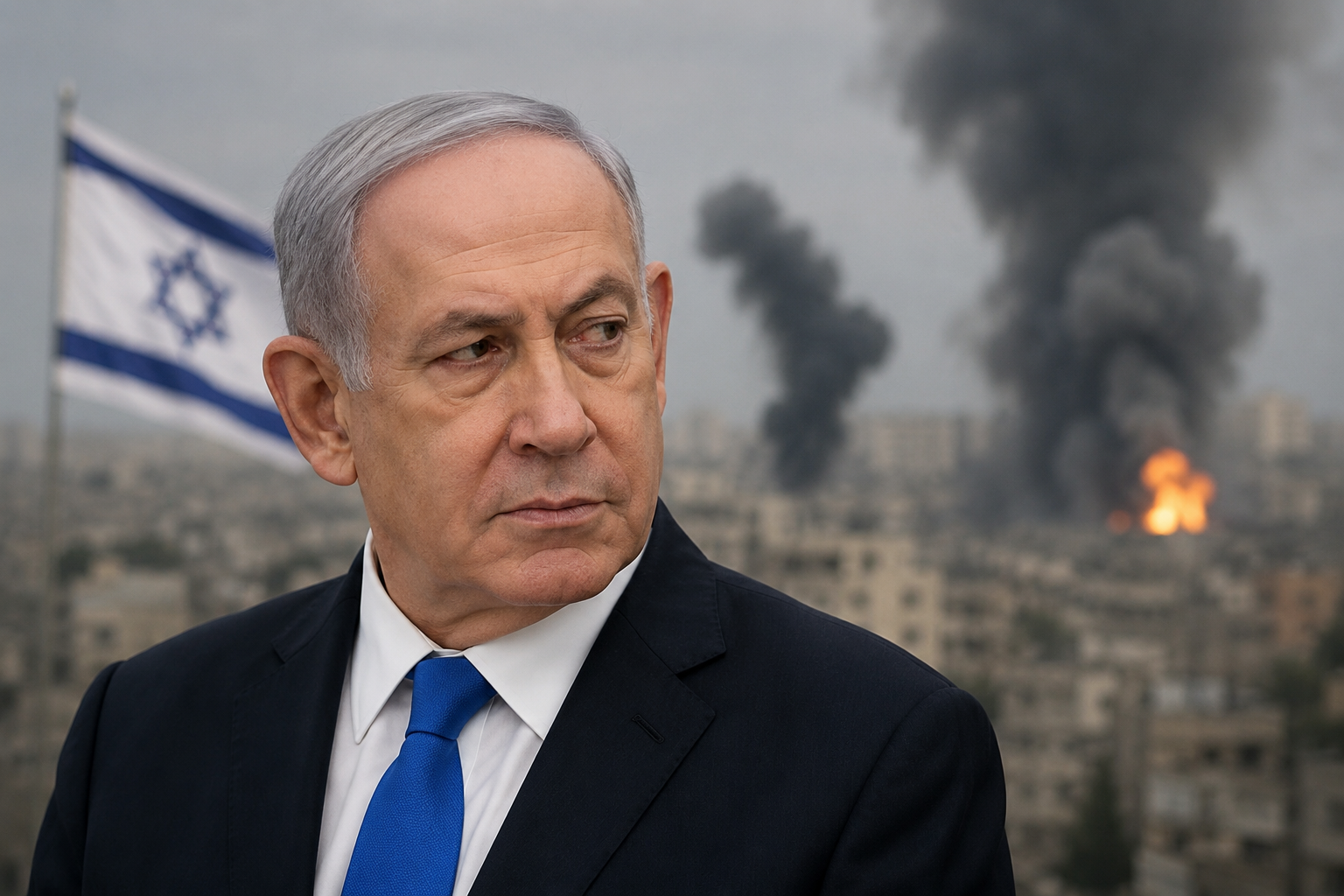
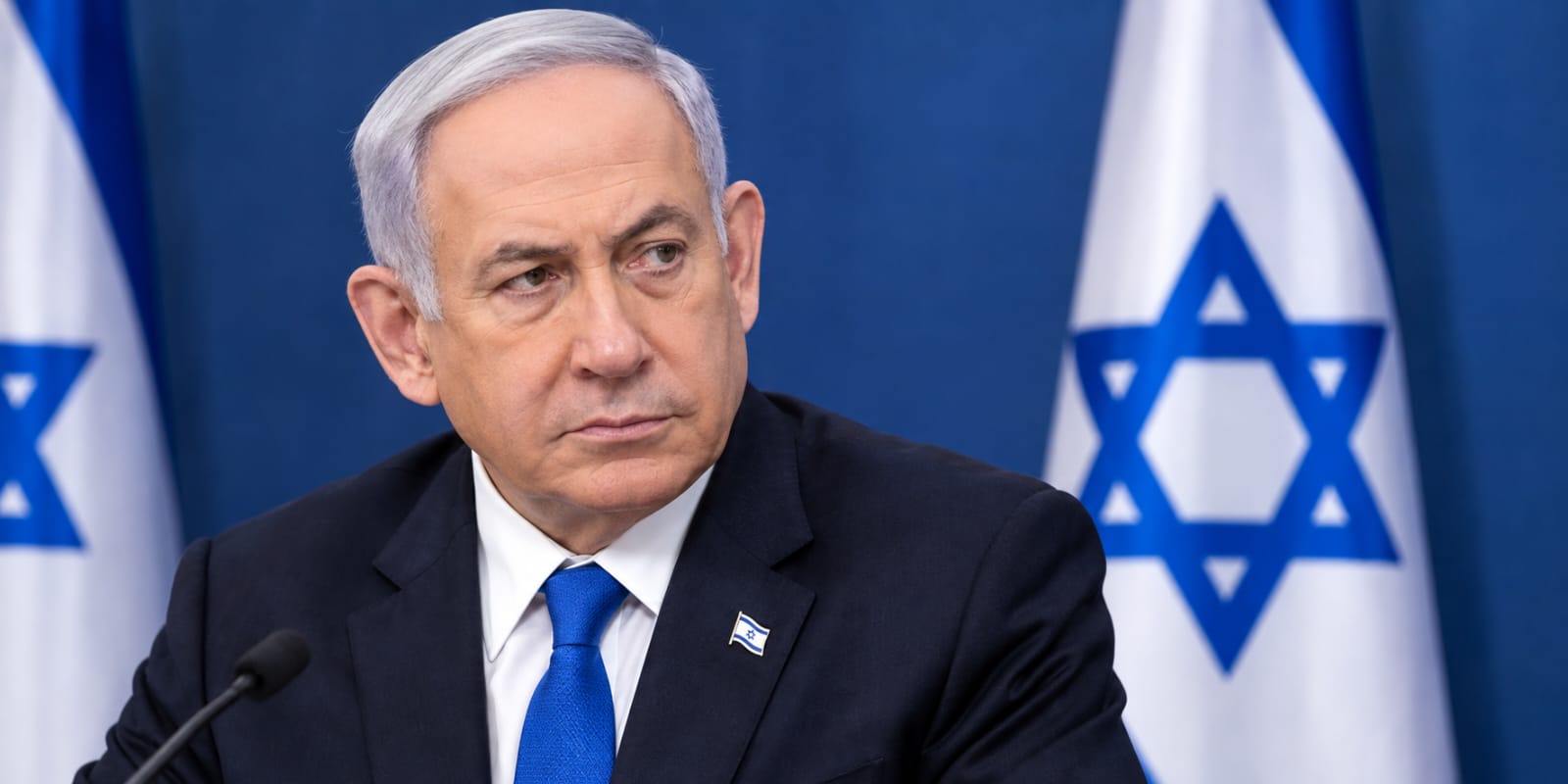
The ongoing confrontation between Israel and Iran has become one of the most significant challenges facing the Middle East in recent years. As missile exchanges, military operations, and diplomatic efforts continue, attention is increasingly focused on Israeli Prime Minister Benjamin Netanyahu and the political pressures surrounding his leadership.
According to political analysts and commentators, many Israelis viewed the conflict with Iran as a crucial national security issue. After Iran launched missile attacks against Israel, public opinion in parts of the country shifted toward supporting a strong military response. In that environment, calls for restraint or de-escalation faced significant challenges.
At the center of the debate are reports that US President Donald Trump privately urged Netanyahu to avoid expanding military operations and to exercise caution regarding potential targets in the region. News reports about those conversations generated considerable discussion inside Israel.
For years, Netanyahu has built his political identity around the image of a strong and decisive leader. Throughout his career, he has frequently portrayed himself as someone willing to make difficult security decisions and defend Israeli interests, even when facing international criticism. Supporters often point to his experience and tough stance on security matters as reasons for their confidence in his leadership.
Because of this reputation, reports suggesting that Netanyahu was being pressured by Washington created political complications. Some observers argued that the perception of Israel being constrained by US requests could weaken Netanyahu's image among voters who expect him to act independently on matters of national security.
The issue became particularly sensitive because Israel and the United States have traditionally maintained a close strategic partnership. While cooperation between the two countries remains strong, Israeli leaders have occasionally disagreed with American administrations over regional policies. Netanyahu has often emphasized his willingness to challenge allies when he believes Israeli security is at stake.
Political analysts say that perception matters greatly in Israeli politics. Leaders are frequently judged on their ability to project strength during periods of regional instability. As a result, reports of disagreements or pressure from allies can become major political issues.
Some commentators believe that many Israelis expected Netanyahu to respond firmly in order to maintain his image as a decisive leader. They argue that continuing military operations could help reinforce the perception that Israel remains committed to achieving its strategic goals regardless of external pressure.
Supporters of Israel's current military approach argue that the country's objectives go beyond immediate retaliation. They say Israel is seeking to reduce potential threats posed by Iran's military capabilities and address concerns related to Iran's nuclear activities. From this perspective, military pressure is viewed as a necessary tool for protecting national security.
These supporters argue that ending military operations too quickly could leave important objectives unfulfilled. They believe sustained pressure may be required to achieve long-term security goals and deter future attacks.
However, critics offer a different interpretation. They argue that domestic political factors may also be influencing decisions about the conflict. Netanyahu has faced significant political challenges in recent years, including divisions within Israeli society, criticism from political opponents, and debates over government policies.
Some critics believe that periods of national security crisis can sometimes strengthen political leaders by shifting public attention toward security concerns and away from domestic controversies. They argue that a prolonged conflict could create political advantages for leaders seeking to maintain public support.
These critics stress that national security concerns are real and important but contend that political calculations cannot be completely separated from decision-making during times of conflict. According to this view, political survival and strategic objectives may sometimes overlap.
The debate reflects broader divisions within Israeli society. While many citizens support strong action against perceived threats, others worry about the long-term consequences of an extended regional conflict. Concerns include the risk of further escalation, economic impacts, international relations, and the potential human cost of continued fighting.
Meanwhile, diplomatic efforts continue behind the scenes. International leaders have called for restraint and encouraged negotiations aimed at reducing tensions. Many governments fear that a wider conflict could destabilize the region and create additional security challenges across the Middle East.
The United States remains a key player in these diplomatic efforts. American officials have repeatedly emphasized the importance of preventing further escalation while maintaining support for Israel's security. Balancing those objectives has proven difficult as events continue to unfold.
For Netanyahu, the situation presents both opportunities and risks. A successful military campaign could strengthen his reputation among supporters who view security as the government's top priority. On the other hand, a prolonged conflict without clear results could increase criticism from opponents and raise questions about strategy and leadership.
Ultimately, the debate over Israel's approach to Iran involves far more than military operations alone. It touches on issues of national security, international diplomacy, political leadership, public opinion, and the future direction of the region.
As the situation develops, the balance between strategic goals and political considerations is likely to remain a major topic of discussion both inside Israel and among international observers. Whether the conflict moves toward further escalation or renewed diplomatic engagement, the decisions made in the coming weeks could have lasting consequences for Israel, Iran, and the broader Middle East.
Summary
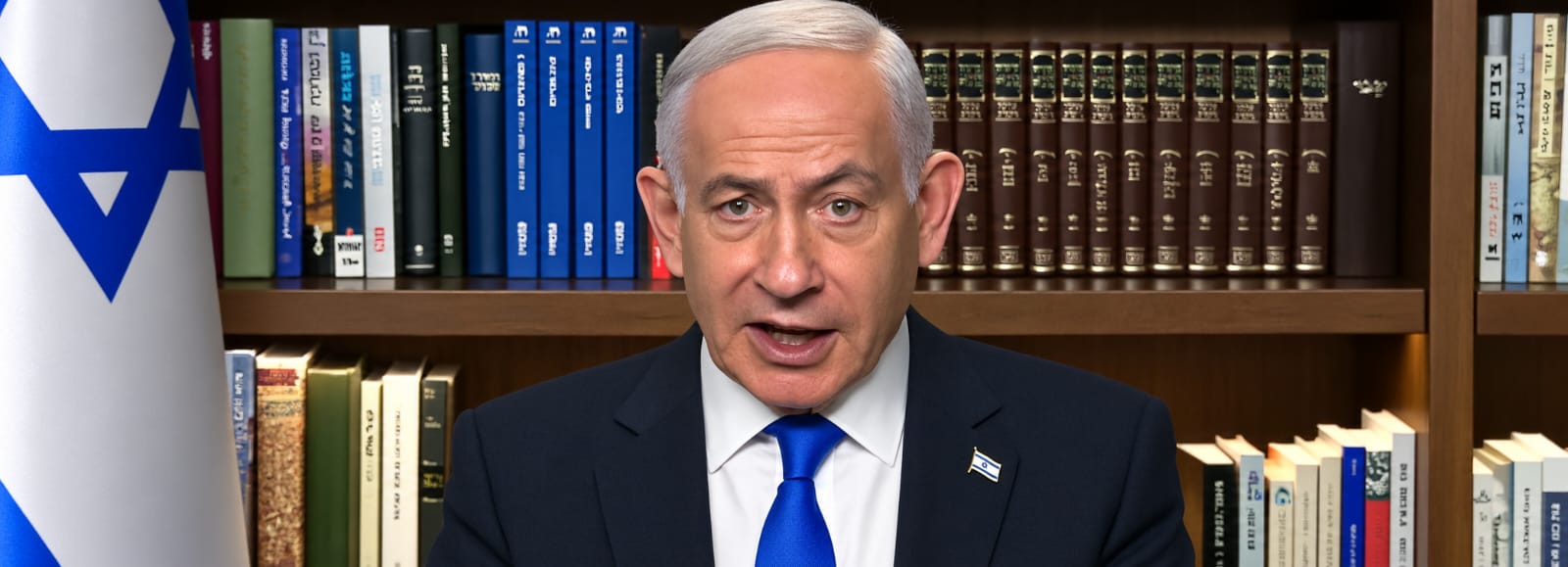
As tensions between Israel and Iran continue, Prime Minister Benjamin Netanyahu is facing growing political pressure at home. Some analysts believe the ongoing conflict has become tied not only to Israel's security objectives but also to Netanyahu's political standing. Reports that US President Donald Trump urged Israel to avoid expanding military operations sparked debate inside Israel, where Netanyahu has long cultivated an image as a strong leader willing to act independently. While supporters argue that military pressure on Iran is necessary for national security, critics say domestic political considerations may also be influencing decisions about the conflict.
Content
×
![]()