
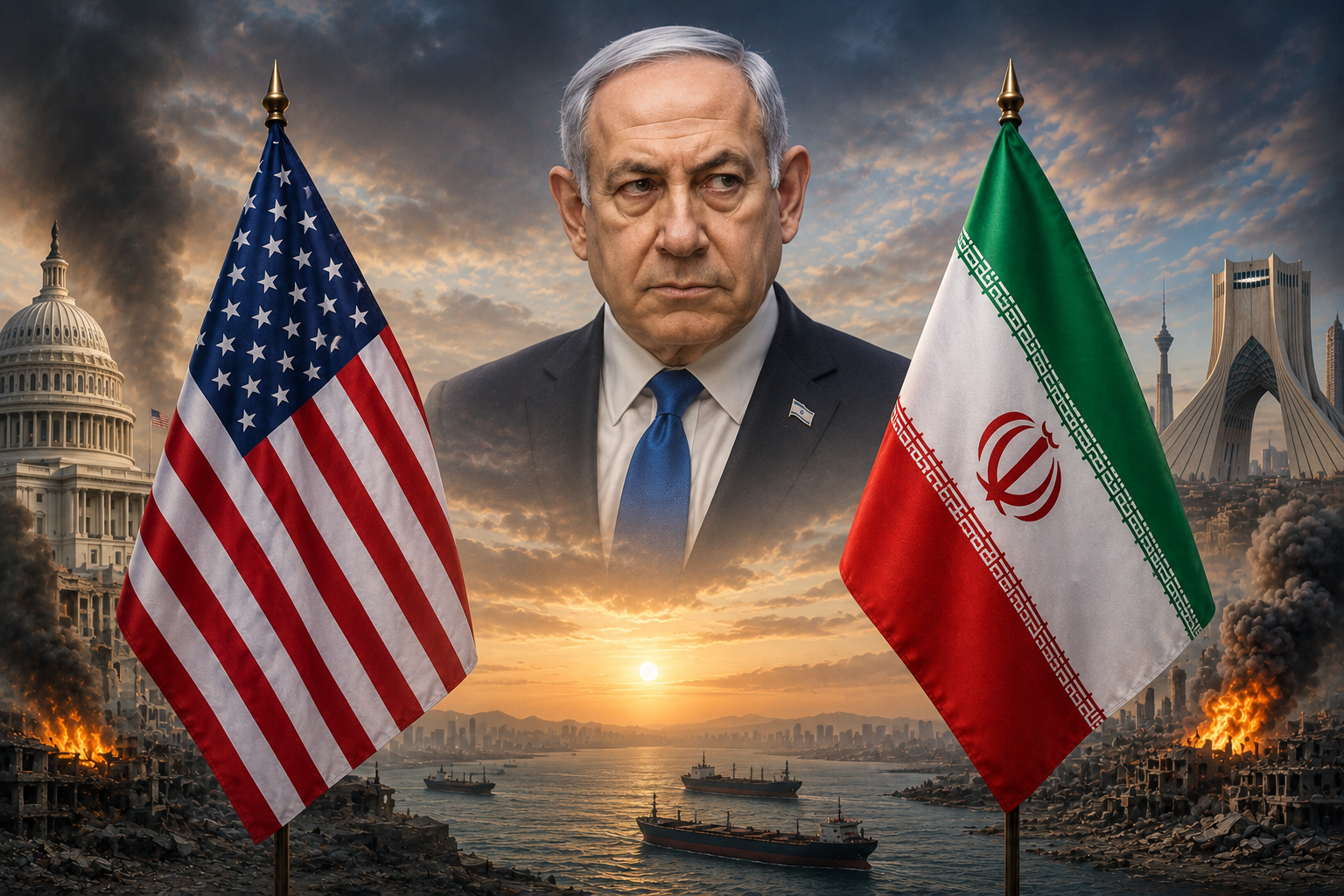
The United States and Iran have indicated that a peace deal to end the recent conflict may be within reach, raising hopes for a reduction in tensions across the Middle East.
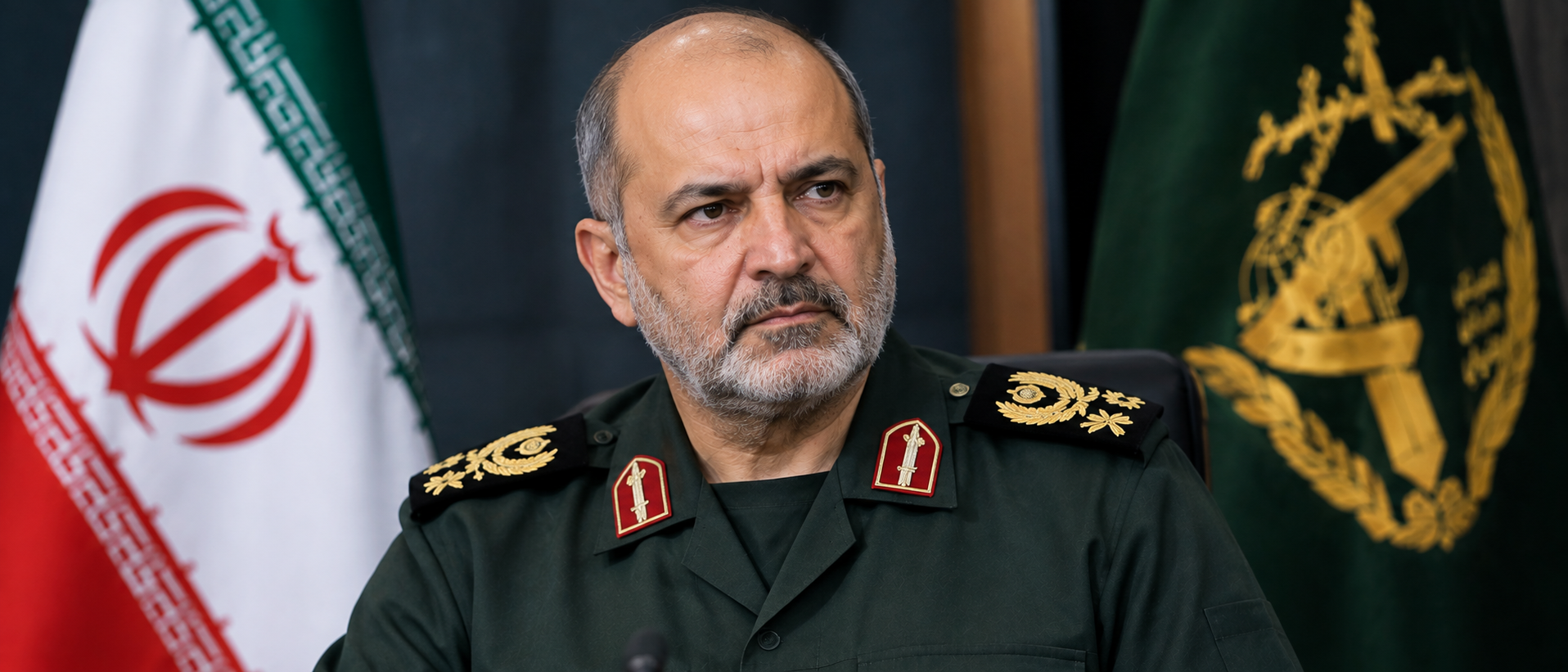
Iranian Foreign Minister Abbas Araghchi said that a memorandum of understanding between Tehran and Washington has "never been closer" to completion. He also urged media outlets to avoid speculation until the agreement is officially finalized.
US President Donald Trump shared Araghchi's statement on social media, suggesting that progress is being made. However, Trump also criticized reports about leaked details of the agreement, calling them inaccurate.
According to reports, the proposed deal would begin with a ceasefire and a commitment by all sides to avoid further military attacks. It could also include steps toward unfreezing Iranian assets and reopening the Strait of Hormuz, one of the world's most important shipping routes.
Iranian officials say they do not accept US claims that recent military strikes forced Tehran into negotiations. They argue that discussions had already been progressing through mediation efforts and that Iran expects to gain important benefits from any final agreement.
Meanwhile, US officials continue to claim that military pressure helped bring Iran closer to accepting a deal. The White House says its main goals remain preventing Iran from obtaining nuclear weapons and ensuring freedom of navigation through the Strait of Hormuz.
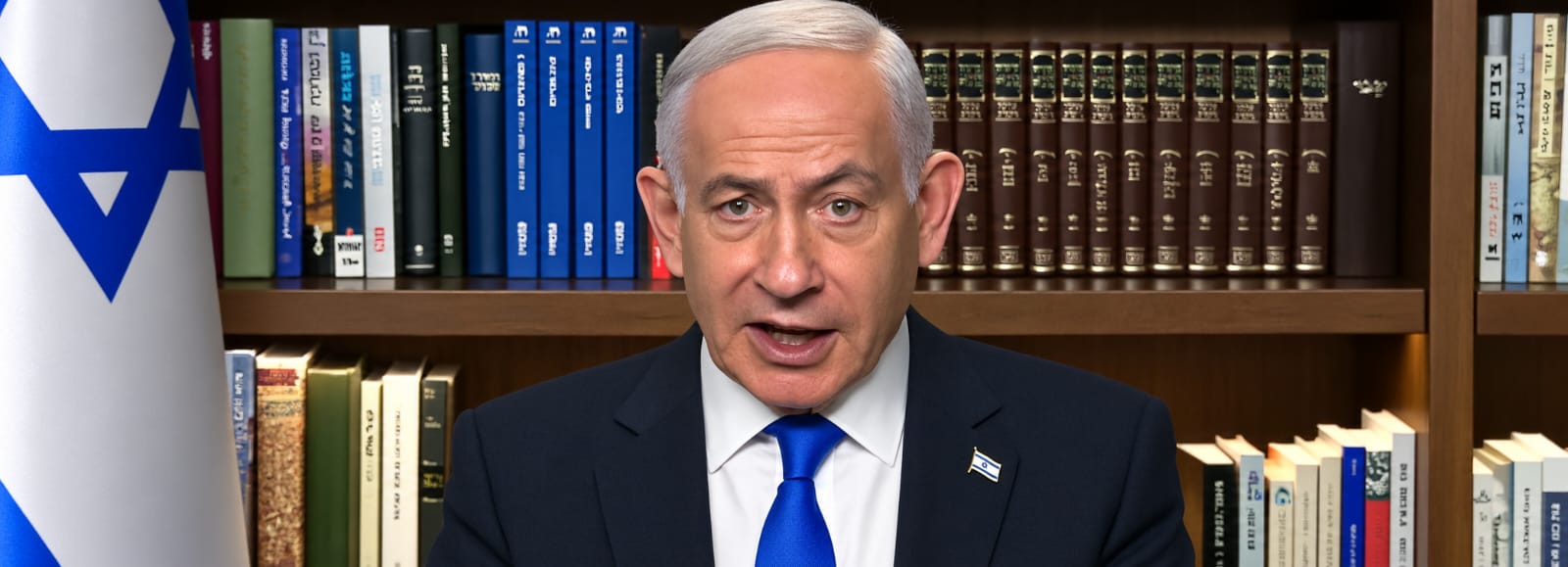
Despite the positive signals from Washington and Tehran, regional tensions remain high. Israeli forces have continued military operations and air strikes in parts of Lebanon, raising concerns that violence could persist in other areas of the Middle East even if a US-Iran agreement is finalized.
The agreement is still under review by senior Iranian leaders, and no official signing date has been announced. Reports suggest that the document could first be approved electronically before a formal signing ceremony takes place.
If completed, the deal could mark a major step toward ending the conflict and reducing tensions in the region. However, important issues, including Iran's nuclear program, are expected to remain under negotiation during a proposed 60-day follow-up period.
For now, both Washington and Tehran appear optimistic, but the final peace agreement has yet to be signed, while ongoing Israeli attacks in Lebanon continue to complicate the broader regional security situation.
Summary
The United States and Iran say they are very close to reaching a peace agreement that could formally end the recent conflict. Iranian Foreign Minister Abbas Araghchi said a deal has "never been closer," while US President Donald Trump also signaled support for an agreement. However, both sides say the final document has not yet been signed. At the same time, Israeli military operations in Lebanon continue, adding to regional tensions.
Content
×
![]()