
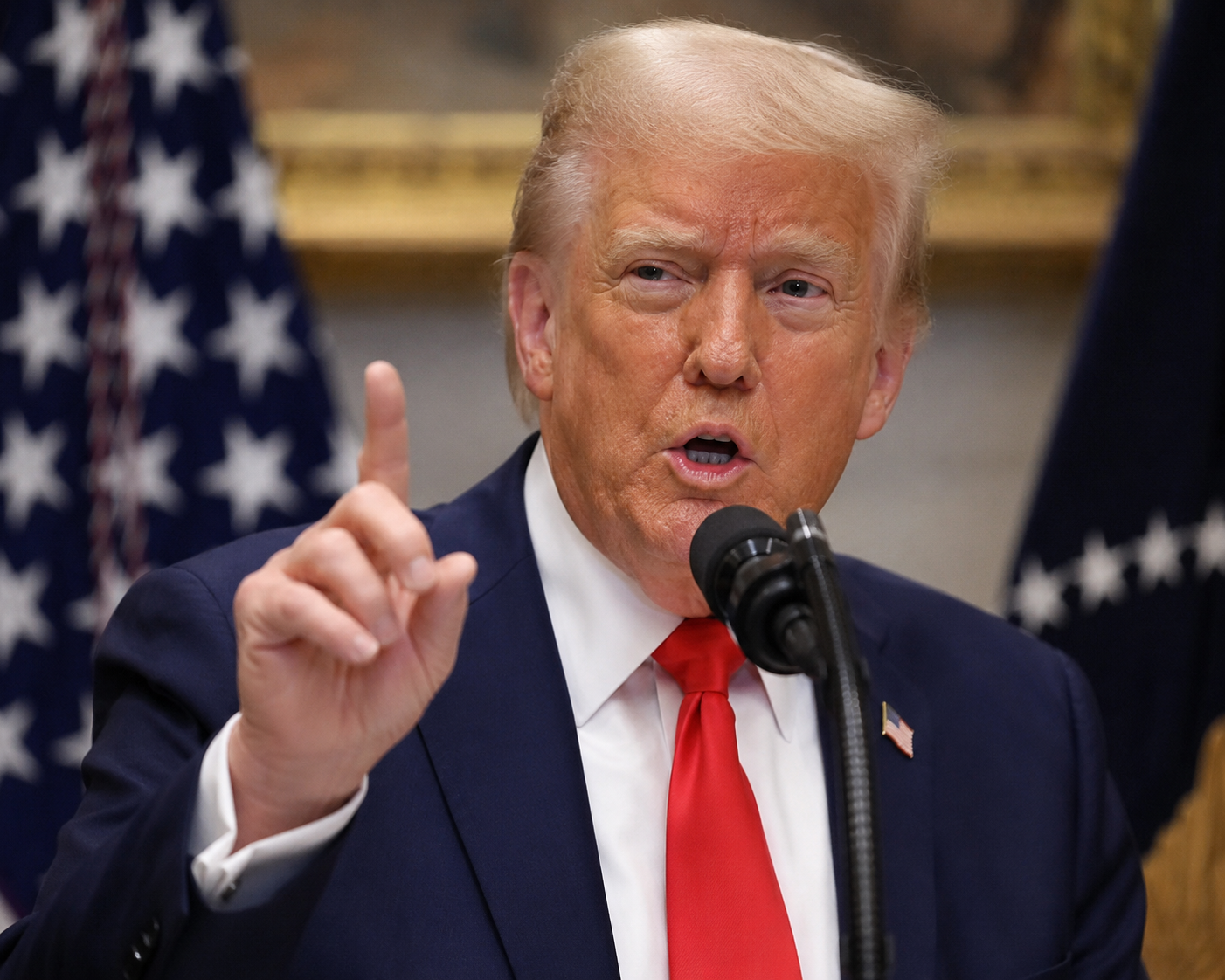
A possible peace agreement between the United States and Iran appears closer than ever, according to statements from both countries and mediators involved in the talks. US President Donald Trump announced that a deal is expected to be signed on Sunday (today), while Iranian officials said progress has been made but cautioned that the exact timing is not yet confirmed.
Trump shared his optimism on social media, saying that the agreement was scheduled to be signed soon and that one of its immediate effects would be the reopening of the Strait of Hormuz. This waterway is one of the most important shipping routes in the world because a large portion of global oil and natural gas supplies pass through it.
The Strait of Hormuz has been a major concern during the recent conflict. Since fighting began earlier this year, shipping through the area has been disrupted, causing worries about global energy supplies and rising fuel prices. If the route is fully reopened, it could help stabilize energy markets and improve international trade.
Pakistan has played an important role in helping both sides reach an agreement. Pakistani Prime Minister Shehbaz Sharif said negotiators were closer to a peace deal than ever before. He added that preparations were already being made for an electronic signing ceremony once the final details were approved. According to Pakistan, the agreement could be finalized within 24 hours.
Despite these positive statements, Iranian officials have urged caution. Iranian Foreign Ministry spokesman Esmaeil Baghaei said that people should wait for official confirmation before assuming the agreement would be signed immediately. While he acknowledged that negotiations were progressing, he suggested that the signing might not happen as quickly as some reports indicated.
Iranian Foreign Minister Seyed Abbas Araghchi also spoke positively about the talks. He said that a deal with the United States had never been closer and described the negotiations as productive. According to Araghchi, the proposed agreement includes reopening the Strait of Hormuz and ending certain US restrictions on Iranian ports. These measures could provide significant economic benefits for Iran if implemented.
However, some important issues would still need to be addressed after the agreement is signed. One of the biggest topics is Iran’s nuclear program. Western countries have long accused Iran of trying to develop nuclear weapons, while Iran has repeatedly denied the accusations. Tehran insists that its nuclear activities are meant for peaceful purposes, including electricity generation and scientific research.
Trump also referred to Iran’s stockpile of enriched uranium, suggesting that the material would eventually be removed and destroyed once conditions became stable. However, details about how this process would work have not yet been made public.
US officials have said that any economic benefits for Iran would depend on whether Tehran follows the terms of the agreement. This means that implementation and verification will likely remain important parts of future discussions.
The conflict that led to these negotiations began on February 28, when US and Israeli forces launched strikes against targets inside Iran. Iran responded by attacking Israel and several US-allied countries in the Gulf region. The fighting also led to disruptions in maritime traffic and increased fears of a wider regional war.
Although a ceasefire was agreed to in April, tensions did not completely disappear. Both sides continued to exchange occasional attacks, including recent strikes carried out this week. These incidents showed how fragile the situation remained and highlighted the importance of reaching a lasting agreement.
Another notable aspect of the talks is the reported inclusion of Lebanon-related issues. Iran has reportedly pushed for the agreement to address the conflict involving Israel and Hezbollah in Lebanon. Earlier reports suggested that Lebanon might not be included, but recent comments from Iranian officials indicate that it remains part of discussions.
This is not the first time that reports of an imminent agreement have emerged. In recent months, several rounds of negotiations appeared close to success but ultimately failed before a final deal could be completed. Because of this history, many observers remain cautious despite the latest optimistic statements.
If the agreement is successfully signed, it could mark a major turning point for the Middle East. A reduction in tensions between the United States and Iran could improve regional stability, reduce the risk of further military conflict, and help restore confidence in international energy markets.
For now, the world is watching closely as negotiators work to finalize the remaining details. While leaders on all sides have expressed optimism, the final outcome will depend on whether both countries can turn their recent progress into a formal and lasting peace agreement.
Summary
US President Donald Trump says a peace agreement between the United States and Iran is expected to be signed on Sunday (today), raising hopes that months of conflict could finally come to an end. However, Iran has warned that the exact timing is still uncertain. Pakistan, which has been helping mediate talks, says both sides are very close to a final agreement. The proposed deal could reopen the important Strait of Hormuz shipping route, reduce regional tensions, and begin a new phase of negotiations over Iran’s nuclear program.
Content
×
![]()