
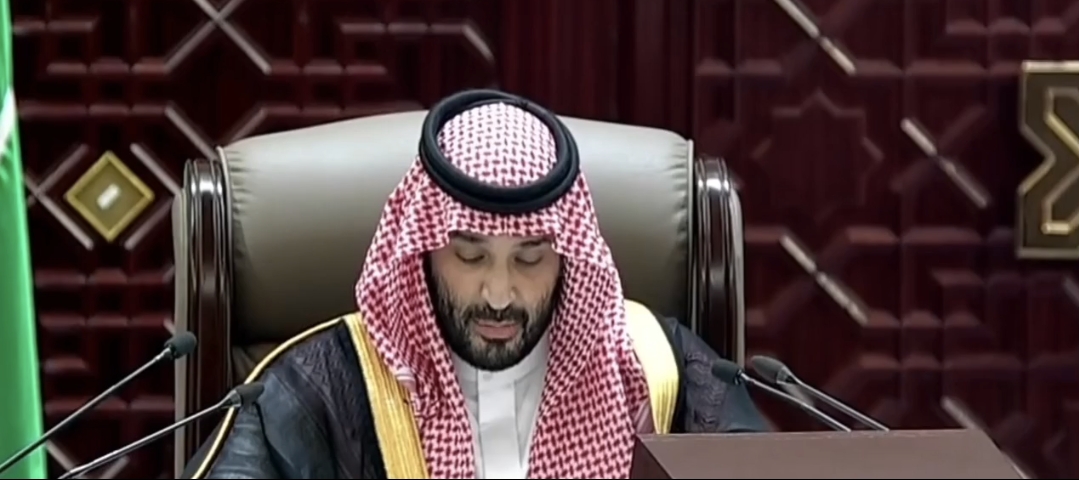
A major breakthrough has been announced in efforts to end the conflict between the United States and Iran. Pakistani Prime Minister Shehbaz Sharif confirmed that a peace agreement has been reached after weeks of negotiations involving Pakistan, Qatar, Saudi Arabia, Türkiye, and other regional partners.
According to Sharif, both the United States and Iran have agreed to immediately and permanently stop military operations on all fronts, including in Lebanon. The official signing ceremony is expected to take place in Switzerland on June 19.
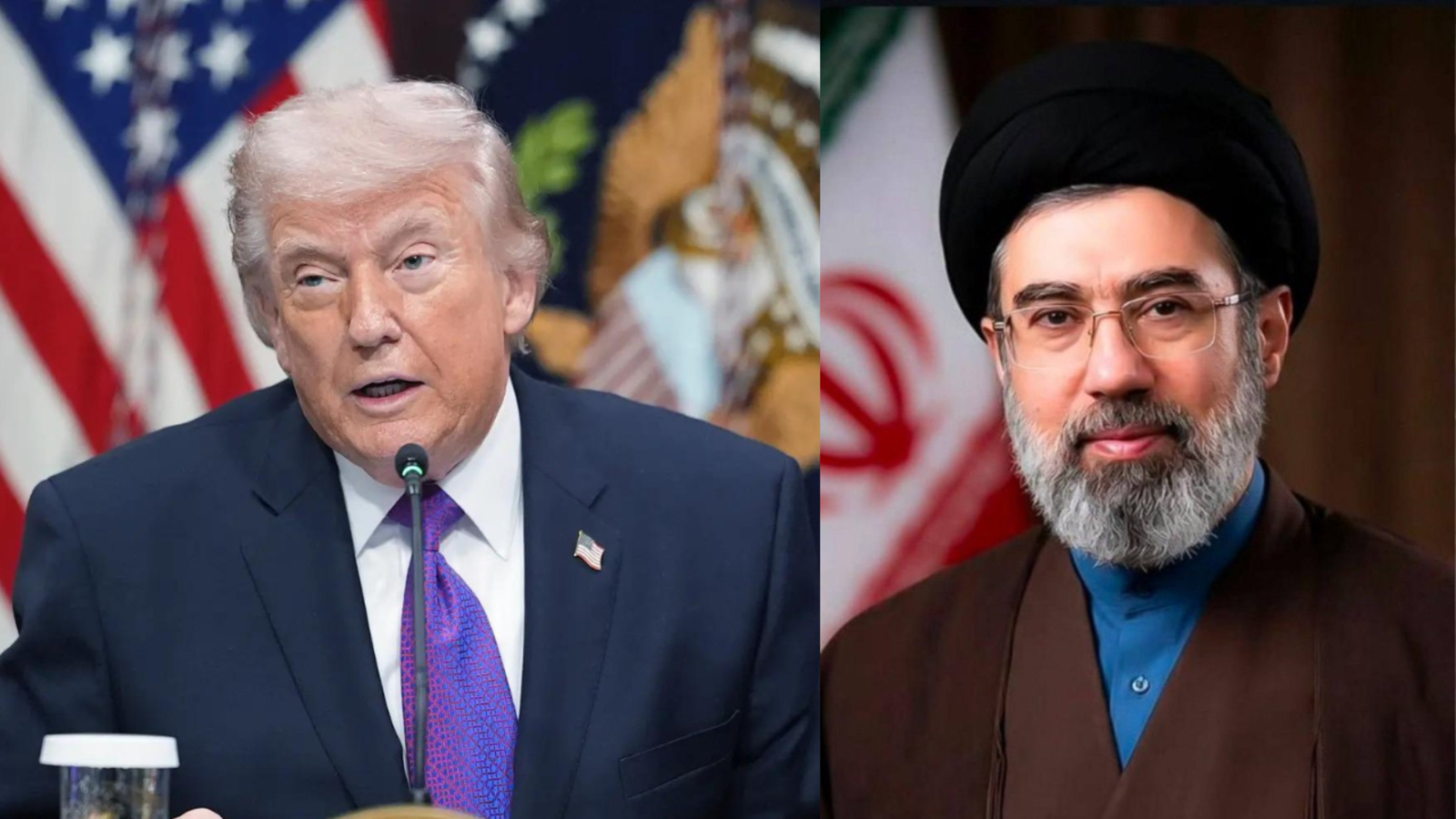
US President Donald Trump also confirmed the agreement. In messages posted on social media, Trump described the deal as a historic achievement and said it would bring peace and security to the region. He announced that the Strait of Hormuz would be reopened and that the US naval blockade against Iran would be removed.
The Strait of Hormuz is one of the world's most important waterways. A large percentage of global oil and natural gas exports pass through this narrow route between the Persian Gulf and the Gulf of Oman. During the conflict, shipping traffic was heavily disrupted, causing concerns about energy supplies and increasing pressure on global markets.
Trump said that once the agreement is signed and mines are cleared from the area, oil shipments will resume normally. Following the announcement, oil prices reportedly fell as investors hoped that energy supplies would stabilize.
Iranian officials also confirmed that a deal had been finalized. Deputy Foreign Minister Kazem Gharibabadi said the agreement would bring an immediate end to the war and military operations in multiple areas, including Lebanon. He added that the US blockade against Iran would be lifted.
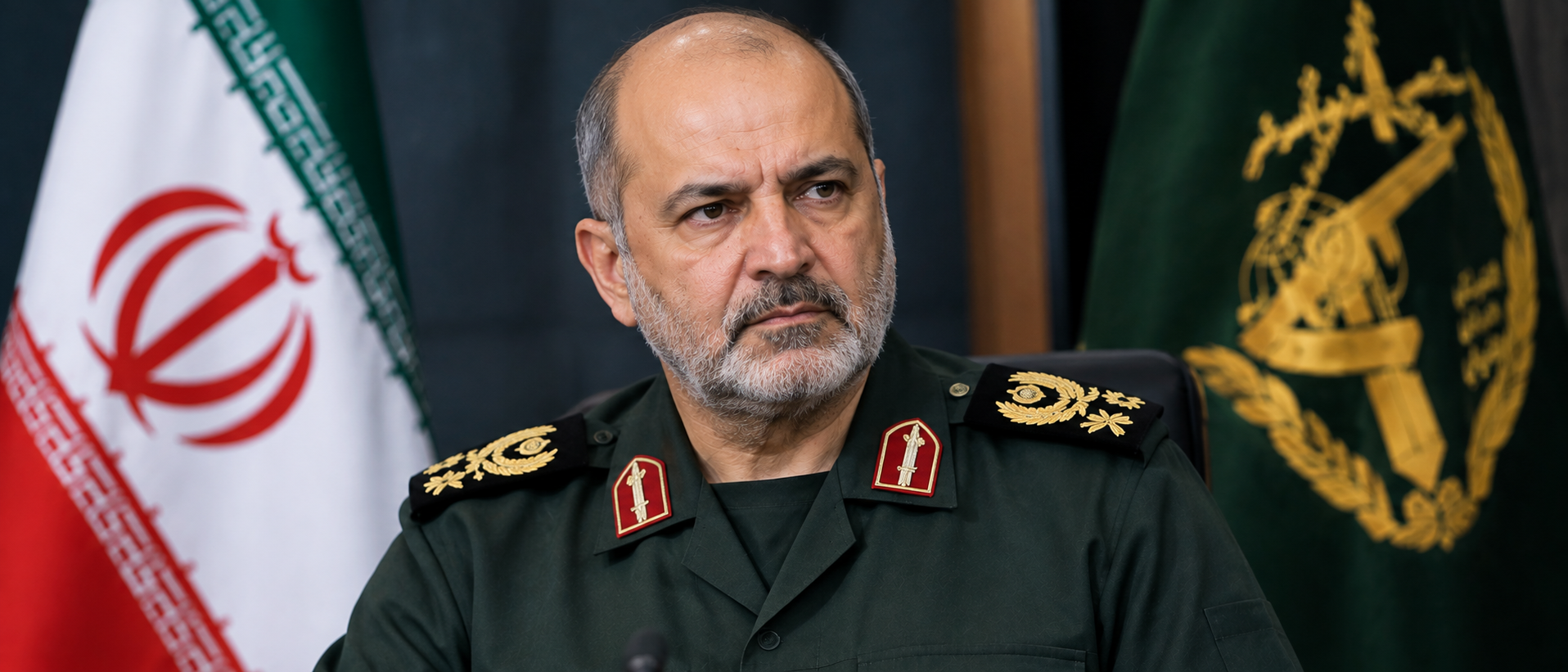
However, Iranian leaders are presenting the agreement differently from Washington. Iran's military leadership and state media have described the deal as a victory for Tehran. Officials argued that Iran and its allies forced the United States and Israel to accept terms that end the fighting.
Inside Iran, the agreement has faced criticism from some hardliners who oppose negotiations with the United States. These critics believe Iran should not compromise after the death of Supreme Leader Ayatollah Ali Khamenei, who was killed during the early stages of the conflict. Iranian state media, however, has emphasized that the deal represents a success for Iran rather than a concession.
World leaders have welcomed the announcement. British Prime Minister Keir Starmer called it an important step toward ending the war and restoring stability in the region. He stressed the importance of ensuring that Iran never develops nuclear weapons and said any commitments related to Iran's nuclear activities must be verified and fully implemented.
Qatar, which played a key role in the negotiations alongside Pakistan, also welcomed the agreement. Qatari officials expressed hope that future talks would strengthen peace and encourage constructive cooperation between all parties.
Despite the positive reactions, many details of the agreement remain unclear. Analysts note that the biggest unresolved issue is Iran's nuclear program. While the framework agreement appears to stop the fighting and reopen shipping routes, discussions about sanctions relief and Iran's nuclear activities have reportedly been postponed to future negotiations.
Experts also warn that the long-term success of the agreement may depend on developments involving Israel and Hezbollah. Fighting between Israel and the Iran-backed group Hezbollah has been one of the most dangerous flashpoints during the conflict.
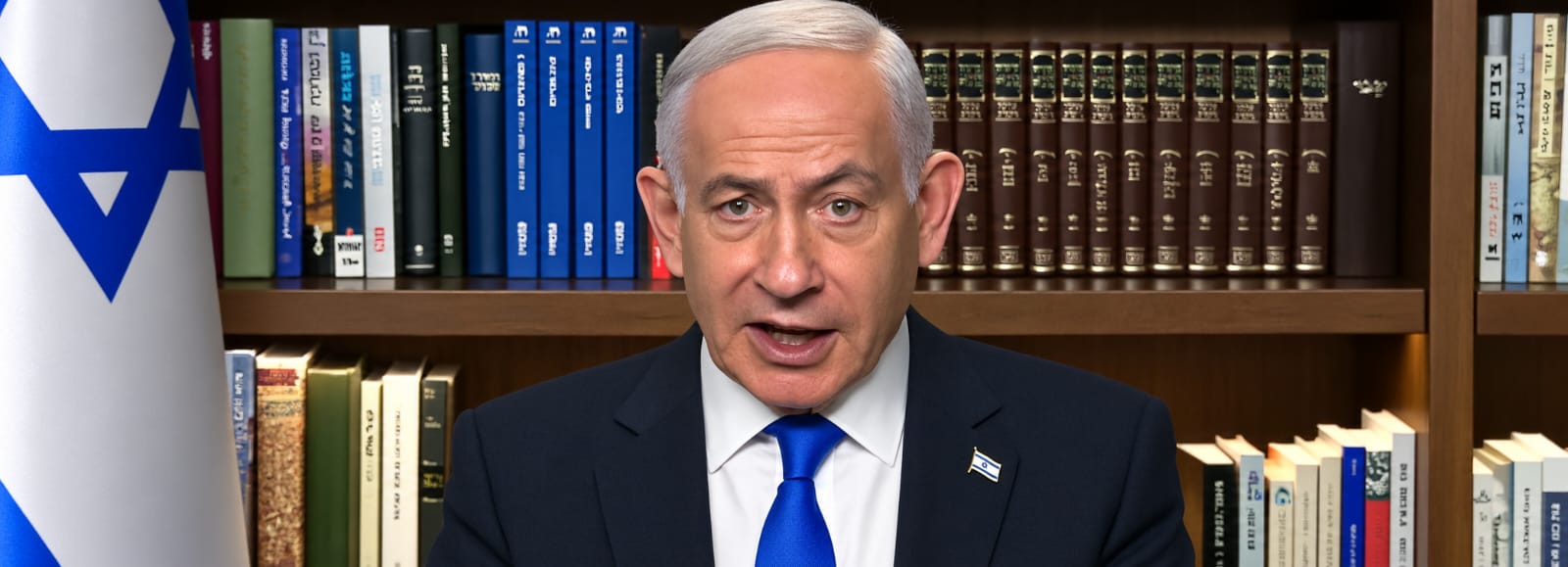
Just before the deal was announced, Israeli forces carried out an air strike in Beirut, Lebanon, targeting what they described as a Hezbollah command center. Lebanese authorities reported several casualties. The attack raised fears that negotiations could collapse at the last moment.
President Trump criticized the strike, saying it should not have happened when both sides were so close to reaching an agreement. Iranian officials also condemned the attack and accused the United States of failing to control its ally.
Although the peace agreement marks a major step forward, many challenges remain. Future negotiations will focus on implementing the ceasefire, reopening trade routes, addressing Iran's nuclear program, and preventing new clashes in Lebanon and elsewhere.
For now, however, the announcement has raised hopes that one of the most dangerous conflicts in the Middle East may finally be moving toward a peaceful resolution. If the agreement holds and is successfully implemented, it could reduce regional tensions, improve global economic stability, and open the door to broader diplomatic talks in the months ahead.
Summary
The United States and Iran have announced a framework peace agreement that could bring an end to months of conflict in the Middle East. The deal, mediated by Pakistan and Qatar, includes a halt to military operations and the reopening of the Strait of Hormuz, one of the world's most important oil shipping routes. While leaders from both countries have welcomed the agreement, several important issues, including Iran's nuclear program and the role of Israel and Hezbollah, still need further negotiations.
Content
×
![]()