
The United States and Iran have announced a framework agreement that could help bring an end to months of conflict in the Middle East. The deal is being seen as a major step toward restoring stability in the region and easing pressure on the global economy.
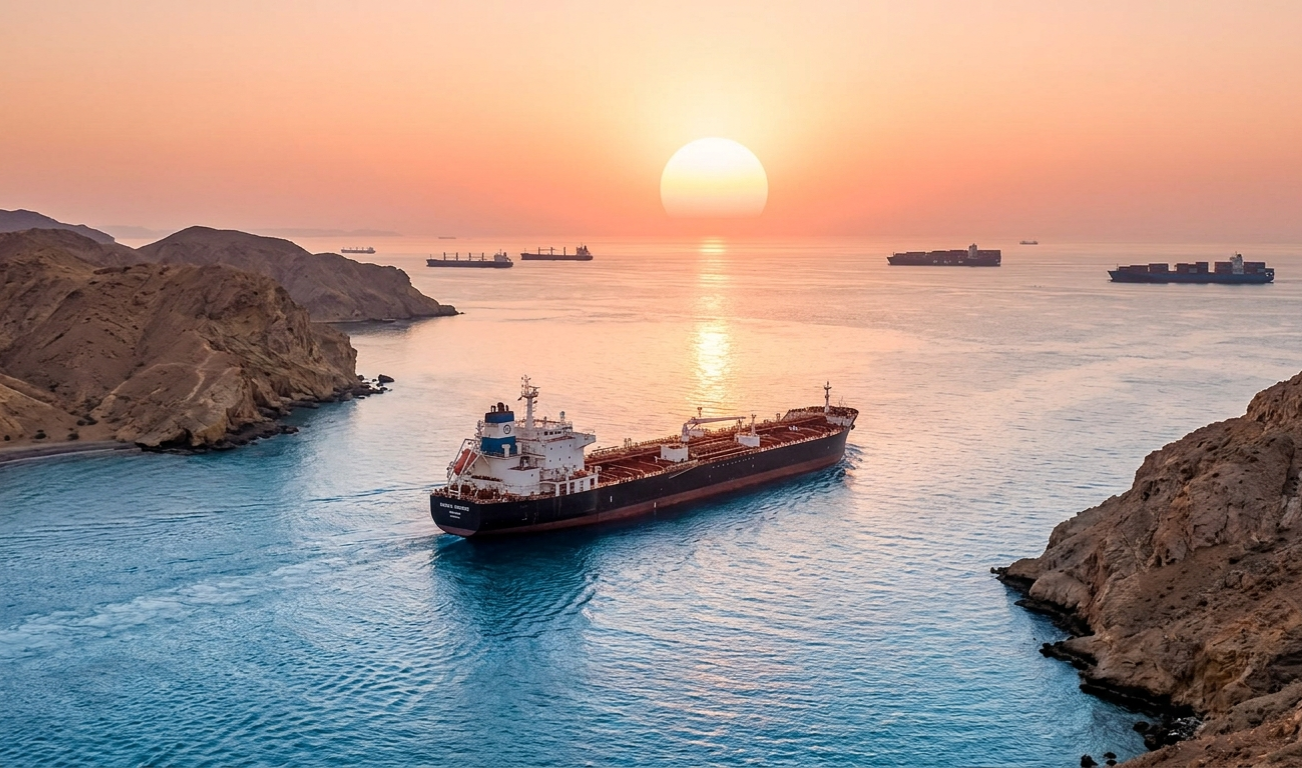
Since the conflict began more than three months ago, the Strait of Hormuz has been heavily disrupted. The narrow waterway is one of the world's most important shipping routes because a large portion of global oil and natural gas exports pass through it every day. The closure of the route caused major problems for international trade and led to sharp increases in energy prices.
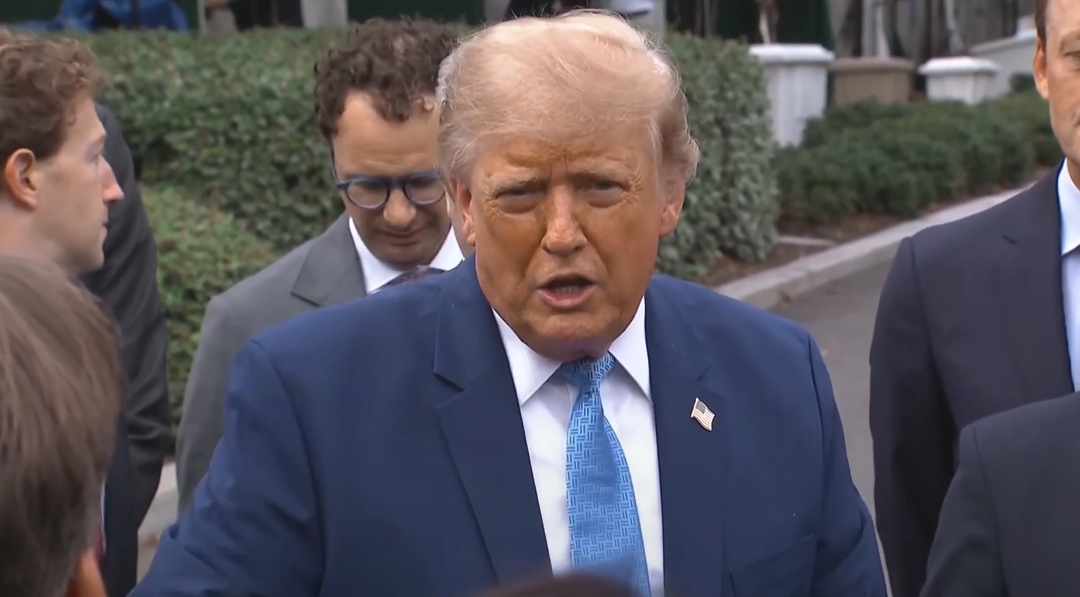
The agreement includes plans to reopen the Strait of Hormuz to commercial shipping. US President Donald Trump welcomed the deal and said oil should begin flowing again once the agreement is officially signed. However, experts caution that reopening the waterway does not mean trade will immediately return to normal.
Many ships remain stranded in the Gulf after months of disruption. Shipping companies are still assessing the risks, including concerns about sea mines, drone attacks, and higher insurance costs. Even if shipping lanes are declared safe, vessels and crews will need time to return to their normal routes.
Several major shipping companies still have ships waiting in the region. Some firms hope to move their vessels as soon as safety conditions improve, but they are proceeding cautiously. Industry experts believe it may take weeks or even months before shipping traffic returns to the levels seen before the conflict.
The war had a major impact on oil markets. Before fighting began, Brent crude oil was trading at less than $70 per barrel. As tensions increased and shipping through the Strait of Hormuz slowed, prices surged and at one point approached $120 per barrel. The rise in oil prices affected fuel costs worldwide, making petrol, diesel, and jet fuel more expensive.
Following news of the US-Iran agreement, oil prices dropped significantly. Brent crude fell to around $84 per barrel as investors became more optimistic about future supplies. While this decline is encouraging, analysts warn that oil prices may continue to fluctuate until the agreement is fully implemented and long-term stability is confirmed.
Energy experts say uncertainty remains because some details of the deal have not yet been finalized. Questions remain about how long the Strait of Hormuz will stay open and whether future disagreements could affect shipping again. For this reason, markets are expected to remain sensitive to developments in the region.
The agreement could also bring relief to global food markets. Fertilizer production depends heavily on energy supplies, especially natural gas. During the conflict, fertilizer prices increased as energy costs rose and shipping routes were disrupted. Higher fertilizer prices placed additional pressure on farmers around the world.
If energy supplies stabilize and shipping resumes, fertilizer costs could gradually decrease. This may help farmers reduce production expenses and improve food supply chains. However, experts note that some crop seasons are already underway, meaning certain agricultural sectors may not benefit immediately from lower fertilizer prices.
Air travel could also see some positive effects. Jet fuel prices rose sharply during the conflict, increasing operating costs for airlines. As oil prices fall, airlines may eventually benefit from lower fuel expenses. This could help reduce financial pressure on the aviation industry and support international travel.
The conflict also influenced inflation in many countries. Rising energy prices pushed up transportation and production costs, making goods and services more expensive. Central banks in several countries responded by delaying plans to lower interest rates. Some even considered raising rates further to control inflation.
Now that oil prices are falling, economists believe inflationary pressures may begin to ease. This could give central banks more flexibility in the coming months. Lower inflation may support economic growth, encourage consumer spending, and improve business confidence.
Financial markets reacted positively to the agreement. Investors welcomed the possibility of a more stable Middle East and lower energy costs. Stock markets in several regions saw gains following the announcement, reflecting hopes that the global economy could avoid further disruption.
Despite the positive reaction, experts stress that the agreement is only the beginning of a longer process. Infrastructure damaged during the conflict will need repairs, shipping companies must restore normal operations, and energy producers will have to increase output to previous levels. These steps will take time and investment.
Many analysts believe that if the agreement holds and tensions remain low, global markets could gradually return to normal by the end of the year. Oil prices may stabilize, shipping traffic could recover, and economic uncertainty may decrease. However, any breakdown in negotiations or renewed conflict could quickly reverse these gains.
For now, the US-Iran deal has created cautious optimism around the world. Governments, businesses, and investors are closely watching developments, hoping that the agreement marks the start of a more stable period for the Middle East and the global economy. While challenges remain, the deal offers a chance for recovery after months of conflict and economic disruption.
Summary
The United States and Iran have agreed on a framework deal aimed at ending months of conflict and reopening the Strait of Hormuz, one of the world's most important shipping routes. The agreement has already lowered oil prices and raised hopes for economic recovery. However, experts say it could take months for shipping, energy markets, and global trade to fully return to normal.
Content

×
![]()