
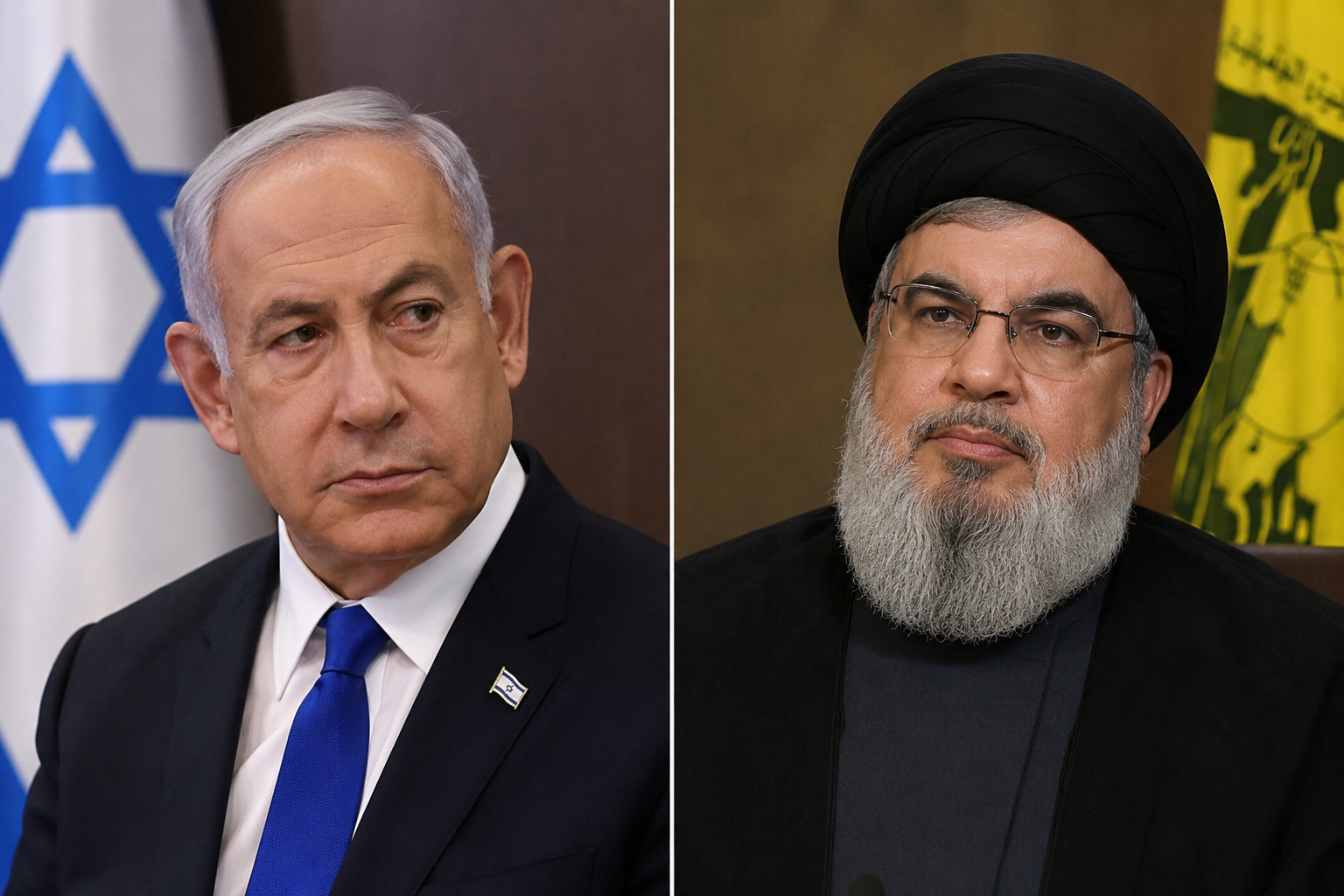
Israel and Hezbollah have agreed to a ceasefire after months of deadly fighting along the Lebanon-Israel border. A senior United States official confirmed that the ceasefire came into effect at 4:00pm local time on Friday. The announcement is being seen as an important step toward reducing tensions in the Middle East after a period of intense conflict.
The ceasefire follows the recent signing of a major agreement between the United States and Iran. That agreement called for an end to military operations across the region, including in Lebanon. However, despite the deal, fighting between Israel and Hezbollah continued for several days before both sides finally agreed to stop military actions.
Before the ceasefire took effect, southern Lebanon experienced another night of heavy air strikes. Lebanon's Health Ministry reported that at least 47 people were killed and nearly 100 others were injured in Israeli attacks carried out between midnight and the afternoon. Many homes, shops, and buildings were damaged or destroyed.
The Israeli military said it had targeted Hezbollah command centers and military sites in eastern and southern Lebanon. Earlier in the day, the Israel Defense Forces (IDF) stated that it had struck around 80 Hezbollah-linked targets and killed dozens of fighters. Israel also reported that four of its soldiers were killed during recent operations.
Images from southern Lebanon showed thick smoke rising above towns and villages. In several areas, residents returned to find homes reduced to rubble. Families who had already been displaced by the conflict continued to face uncertainty about when they could safely return to normal life.
The conflict in Lebanon became more intense earlier this year when Hezbollah launched rockets into Israel following a major Israeli strike connected to Iran. Israel responded with a large-scale military campaign, including air strikes and ground operations in southern Lebanon. Since then, the fighting has caused significant damage on both sides of the border.
According to Lebanese officials, thousands of people have been killed or injured since the latest phase of the conflict began. Around one million people have been displaced from their homes, creating a major humanitarian crisis. Entire communities in southern Lebanon have suffered severe destruction, leaving many residents dependent on aid and support.
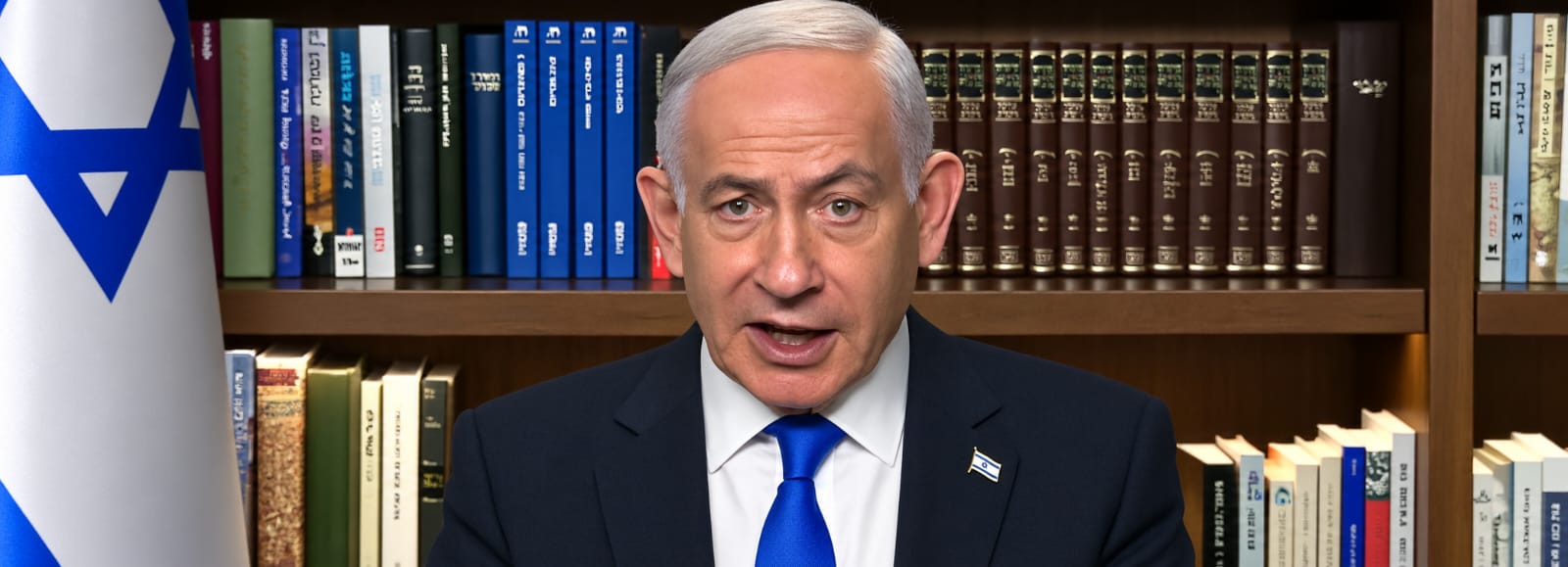
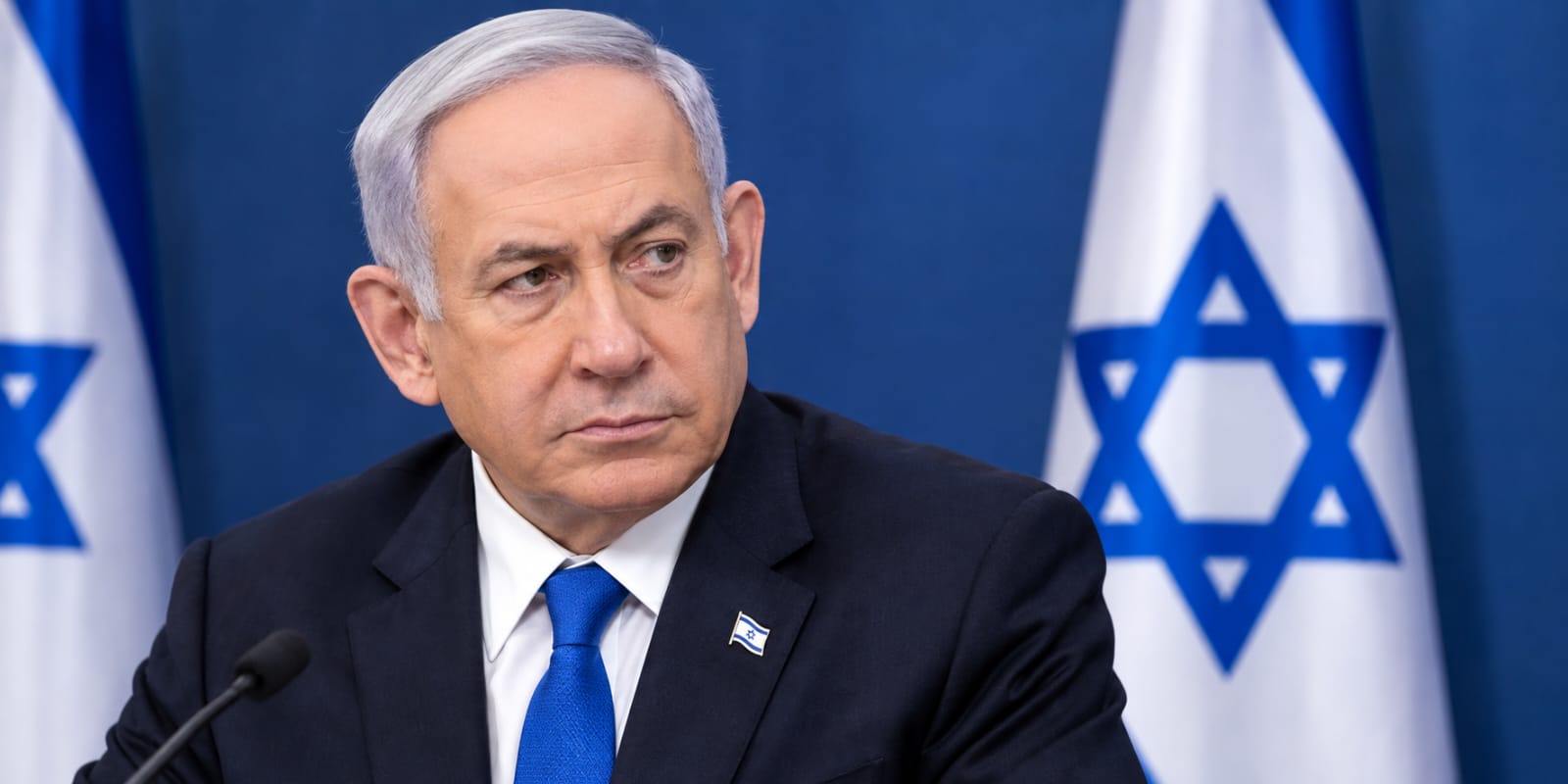
The ceasefire announcement comes at a time when relations between the United States and Israel have appeared strained. US President Donald Trump recently suggested that Israeli Prime Minister Benjamin Netanyahu should take a softer approach toward military operations. Trump stated that continued large-scale strikes could undermine efforts to secure peace in the region.
US Vice-President JD Vance also criticized some Israeli officials who had spoken against the US-Iran agreement. He stressed that the United States remained one of Israel's strongest allies and urged leaders to focus on long-term stability rather than public disagreements.
The US-Iran agreement includes several major points beyond ending military operations. The deal calls for reopening the Strait of Hormuz, preventing Iran from developing nuclear weapons, rebuilding parts of Iran's economy, and removing many US sanctions on Tehran. The agreement also emphasizes respect for Lebanon's sovereignty and territorial integrity.
Despite the ceasefire, questions remain about how long the agreement will hold. The Israeli military has stated that it remains ready to resume operations if necessary. Hezbollah has also previously said that its actions depend on developments on the ground.
For now, however, the ceasefire offers hope to millions of people affected by the conflict. Residents in both Lebanon and Israel are hoping that the pause in fighting will lead to a more lasting peace. International leaders are expected to continue diplomatic efforts in the coming weeks to ensure that the ceasefire remains in place and that further violence can be avoided.
The coming days will be critical in determining whether this agreement becomes a permanent step toward stability or simply a temporary pause in a long-running conflict. Many people across the region are watching closely and hoping that diplomacy will succeed where military action has failed.
Summary
Israel and Hezbollah have agreed to a ceasefire that began on Friday afternoon, according to a senior US official. The agreement comes shortly after the United States and Iran signed a deal aimed at ending conflict across the Middle East. The ceasefire follows heavy fighting in Lebanon that caused dozens of deaths, widespread destruction, and the displacement of many civilians.
Content
×
![]()