
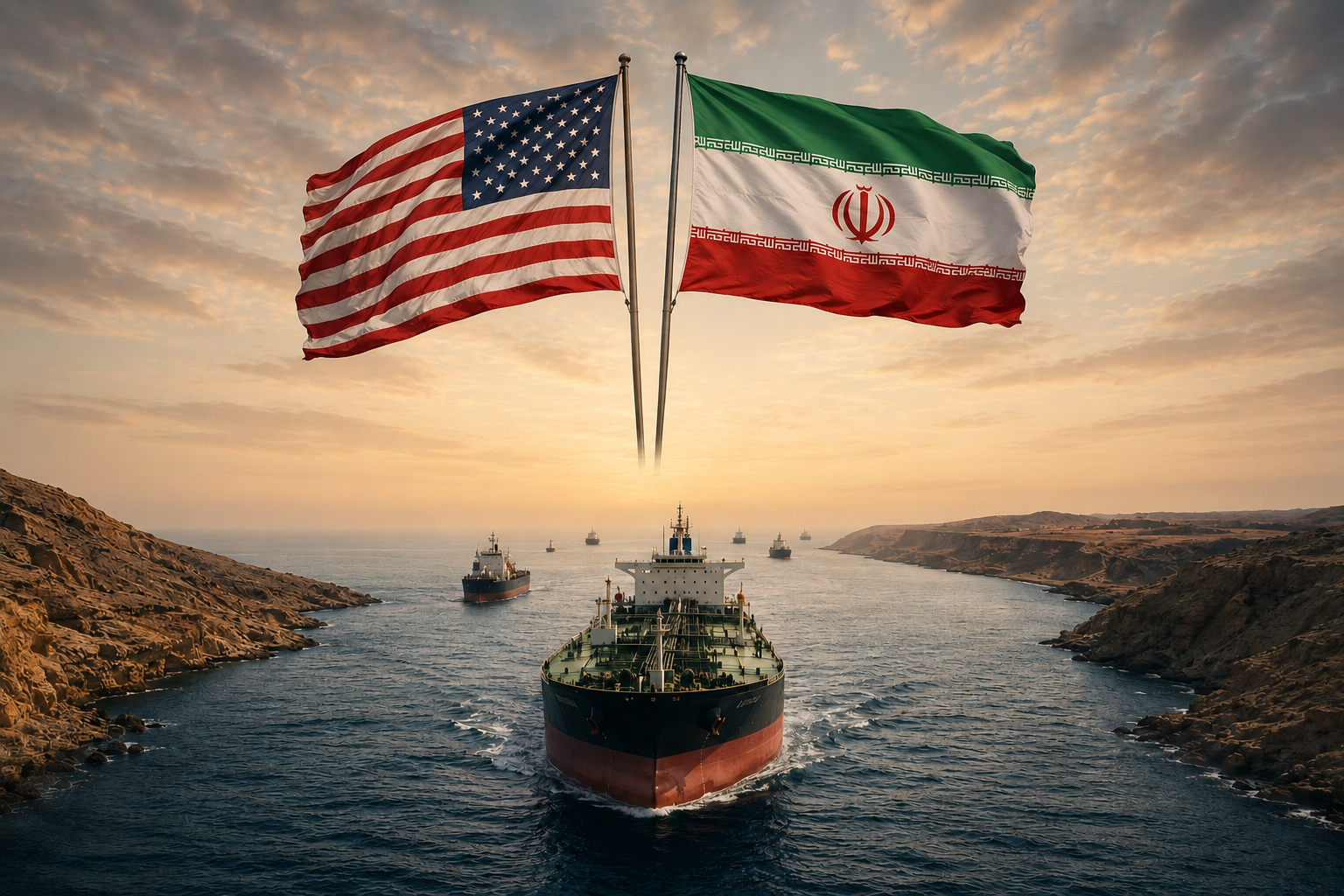
The fragile peace agreement between the United States and Iran is facing its first major challenge after Iran announced that it is closing the Strait of Hormuz, a vital waterway through which a large portion of the world's oil is transported.
Iran's military said the move was a response to what it described as violations of the ceasefire agreement by both the United States and Israel. Iranian officials argue that one of the most important parts of the 14-point agreement was the immediate end of military operations across the region, including in Lebanon. However, fighting between Israel and Hezbollah has continued despite the ceasefire announcement.
The latest escalation comes after reports of deadly Israeli air strikes in southern Lebanon. Lebanese officials say that at least two dozen people have been killed since the ceasefire came into effect. Israel says its military actions were necessary because Hezbollah launched attacks against Israeli forces. Hezbollah, meanwhile, has accused Israel of continuing aggressive operations inside Lebanon and says it does not fully recognize the ceasefire announced by US officials.
The ongoing clashes have created a serious problem for the wider US-Iran agreement. Iran had made it clear during negotiations that peace in Lebanon was an essential part of any broader regional deal. According to analysts, Iran viewed the situation in Lebanon as a key condition for improving relations with the United States and reducing tensions across the Middle East.
One of the most important elements of the agreement involved the Strait of Hormuz. Under the deal, Iran promised to help ensure the safe passage of commercial ships through the waterway. The strait is extremely important because a significant share of the world's oil exports passes through it every day. Any disruption can affect global energy markets and potentially lead to higher oil prices around the world.
Iran's Revolutionary Guard Corps Navy issued a warning stating that ships should not approach the Strait of Hormuz because the area had been closed. The announcement immediately attracted international attention, with governments and businesses closely monitoring the situation.
However, the United States has challenged Iran's claim. US Central Command stated that commercial shipping traffic continued through the strait and that dozens of merchant ships safely passed through the waterway during the day. American officials said that freedom of navigation remained intact and that US forces would continue operating in the region to ensure the safety of international shipping.
US Vice President JD Vance also said there was no evidence that Iran had successfully shut down the strait. He pointed to ongoing oil shipments and vessel movements as proof that maritime traffic was still flowing normally.
At the same time, diplomatic efforts are continuing. Pakistan's Foreign Ministry announced that representatives from the United States and Iran are expected to meet in Switzerland. Mediators from Pakistan and Qatar will also take part in the discussions. The goal of the meeting is to preserve the progress already achieved and address growing concerns over the ceasefire violations.
Iran's Foreign Ministry has said that it will use the talks to demand that the United States fulfill its commitments under the agreement. Iranian officials argue that several key promises, including sanctions relief and other economic measures, have not yet been fully implemented.
Political analysts warn that the situation remains highly unstable. The ceasefire was always considered difficult to maintain because it involved multiple parties with competing interests. The continued fighting in Lebanon now threatens not only local peace efforts but also the broader agreement between Washington and Tehran.
Many observers believe that the coming days will be critical. If violence continues in Lebanon, trust between the parties could further deteriorate, making future negotiations more difficult. On the other hand, successful diplomatic talks in Switzerland could help prevent a complete collapse of the agreement.
For now, uncertainty remains high. The future of the ceasefire, the status of the Strait of Hormuz, and the wider peace process will depend on whether all sides can reduce tensions and return to negotiations. The developments are being watched closely around the world because they could have major consequences for regional security, international trade, and global energy markets.
Summary
Tensions in the Middle East have risen again after Iran announced that it is closing the Strait of Hormuz, one of the world's most important oil shipping routes. Iran says the decision was made because the United States and Israel failed to respect a recently signed ceasefire agreement. The dispute centers on continued fighting between Israel and Hezbollah in southern Lebanon, with both sides accusing each other of breaking the ceasefire. The situation has raised concerns about regional stability, global oil supplies, and the future of the US-Iran peace process.
Content


×
![]()