
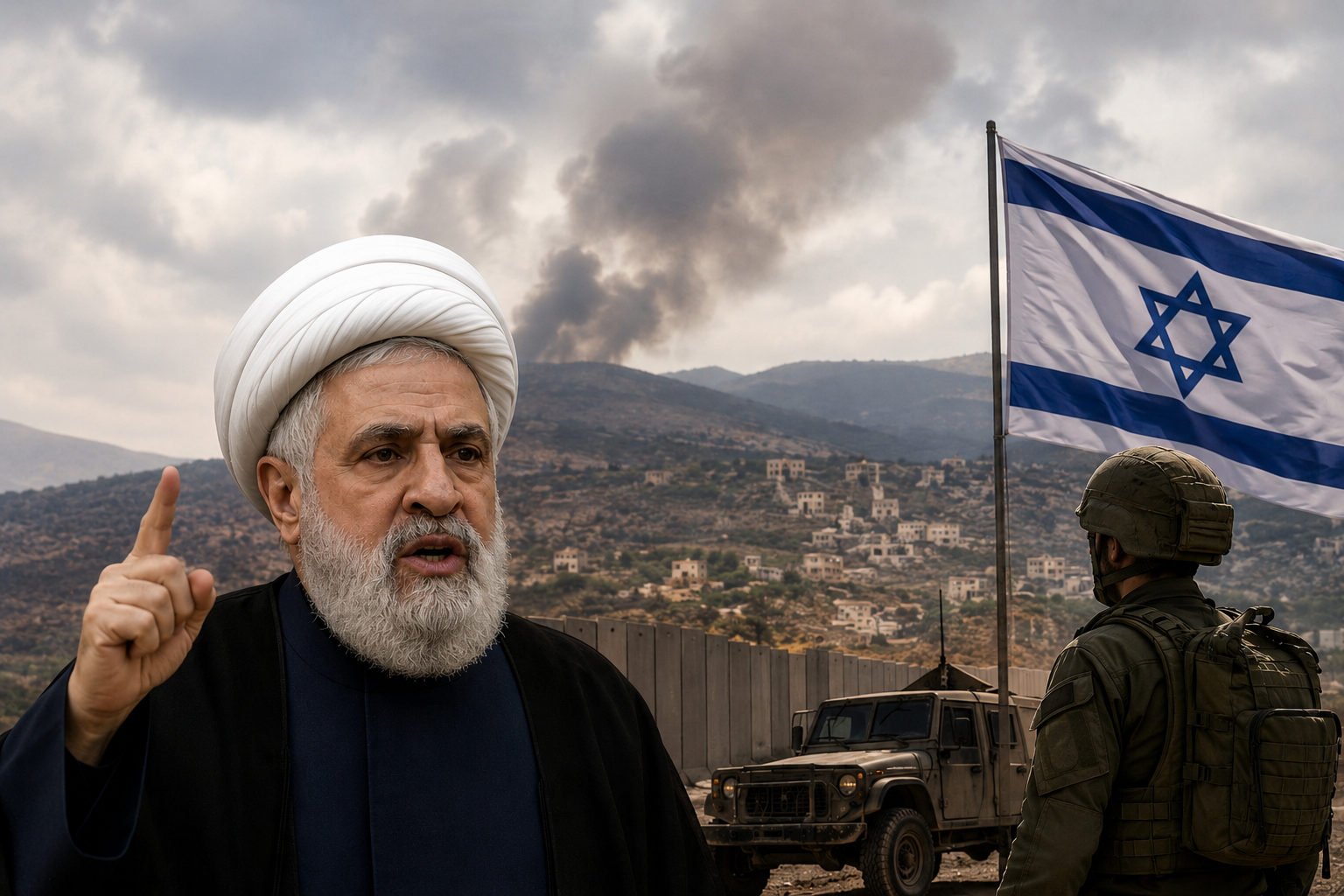
Hezbollah leader Naim Qassem has warned that the Lebanese armed group will respond to any violations of the ceasefire by Israel, raising concerns about renewed tensions along the Lebanon-Israel border.
Speaking after the ceasefire agreement took effect, Qassem said Hezbollah remains committed to defending Lebanon and would not stay silent if Israeli forces continue military actions inside Lebanese territory. He emphasized that Israeli troops would not be allowed to remain in Lebanon and said the group is closely monitoring developments on the ground.
The ceasefire was introduced in an effort to reduce months of fighting and instability in southern Lebanon. Many people hoped the agreement would bring calm to the region after repeated exchanges of fire, air strikes, and military operations that caused damage to towns and villages near the border.
However, the situation remains fragile. Reports of military activity and disagreements over the interpretation of the ceasefire have already created tensions between the two sides. Hezbollah argues that any Israeli military presence or attack inside Lebanon violates the agreement and threatens the country's sovereignty.
Qassem said Hezbollah would respond if Israeli actions continue. According to him, the group has the right to protect Lebanon and its people from any attacks. He added that Hezbollah does not seek further conflict but will not accept what it considers violations of the ceasefire.
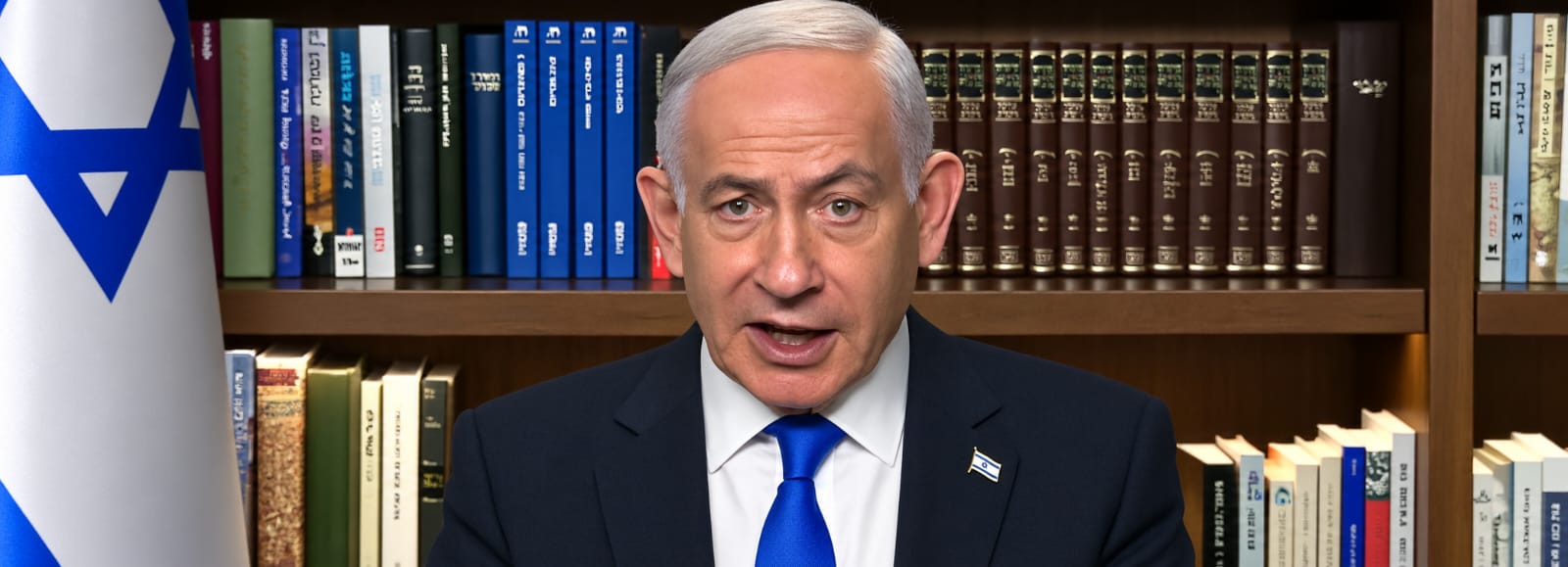
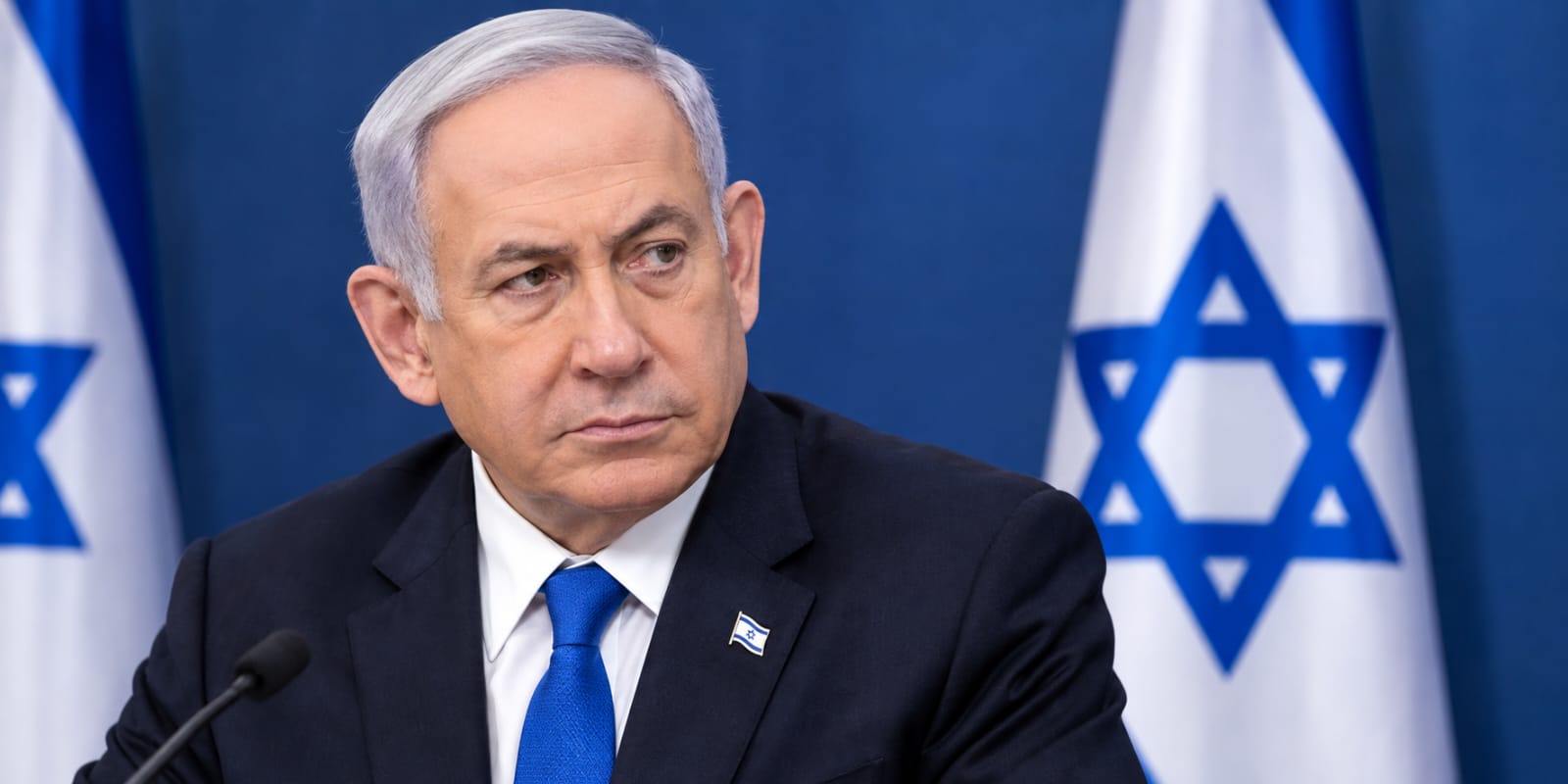
His comments came shortly after Israeli officials stated that their military remains free to act against security threats in Lebanon. Israeli leaders have argued that they must retain the ability to respond to any activities they believe could endanger their citizens or military personnel. They say the ceasefire does not prevent Israel from taking action against perceived threats.
The differing interpretations of the agreement have increased uncertainty about how long the ceasefire can hold. While both sides publicly support efforts to avoid a larger conflict, each continues to accuse the other of actions that could undermine the deal.
Residents in southern Lebanon have been hoping for stability after months of violence disrupted daily life. Many families were forced to leave their homes during periods of intense fighting, while infrastructure, businesses, and public services suffered significant damage. The ceasefire raised hopes that displaced people could return home and begin rebuilding their communities.
Lebanese officials have repeatedly called for full respect of the ceasefire and have urged all parties to avoid actions that could lead to another escalation. The Lebanese government has also stressed the importance of protecting civilians and maintaining stability across the country.
International observers are watching the situation closely. Several countries and organizations have expressed support for the ceasefire and encouraged both Israel and Hezbollah to show restraint. Diplomatic efforts continue to focus on preventing new clashes and creating conditions for a lasting reduction in tensions.
Security experts note that ceasefires between Israel and Hezbollah have often faced challenges in the past. Small incidents, misunderstandings, or military operations can quickly increase tensions and trigger broader confrontations. Because of this, maintaining communication and avoiding provocative actions are considered important for preserving calm.
The border region remains highly sensitive. Both sides maintain strong security positions, and any incident can attract significant attention. Analysts say that while the ceasefire has reduced large-scale fighting for now, the risk of renewed violence remains if disagreements over military activity continue.
Qassem's latest remarks reflect Hezbollah's position that Israel must fully respect Lebanese territory and stop any military operations inside the country. At the same time, Israeli officials maintain that their forces must remain ready to respond to threats when necessary. These competing views continue to create uncertainty about the future of the ceasefire.
For now, residents on both sides of the border are hoping that the agreement will prevent a return to major conflict. Many people affected by the violence want stability, security, and an opportunity to rebuild their lives. Whether the ceasefire can survive ongoing disputes will depend largely on the actions of both sides in the coming days and weeks.
The situation remains tense but relatively calm compared with previous periods of fighting. Diplomatic efforts are expected to continue as regional and international actors seek to prevent further escalation. As both Israel and Hezbollah exchange warnings and accusations, the future of the ceasefire remains uncertain, with many observers closely watching for signs of either progress or renewed conflict.
Summary
Hezbollah leader Naim Qassem has said the group will respond to any Israeli violations of the ceasefire in Lebanon. He stressed that Israeli forces will not remain in Lebanese territory and warned that Hezbollah is prepared to act if attacks continue. His comments come as Israeli officials say their military can continue operations in Lebanon to deal with security threats despite the ceasefire agreement.
Content

×
![]()