
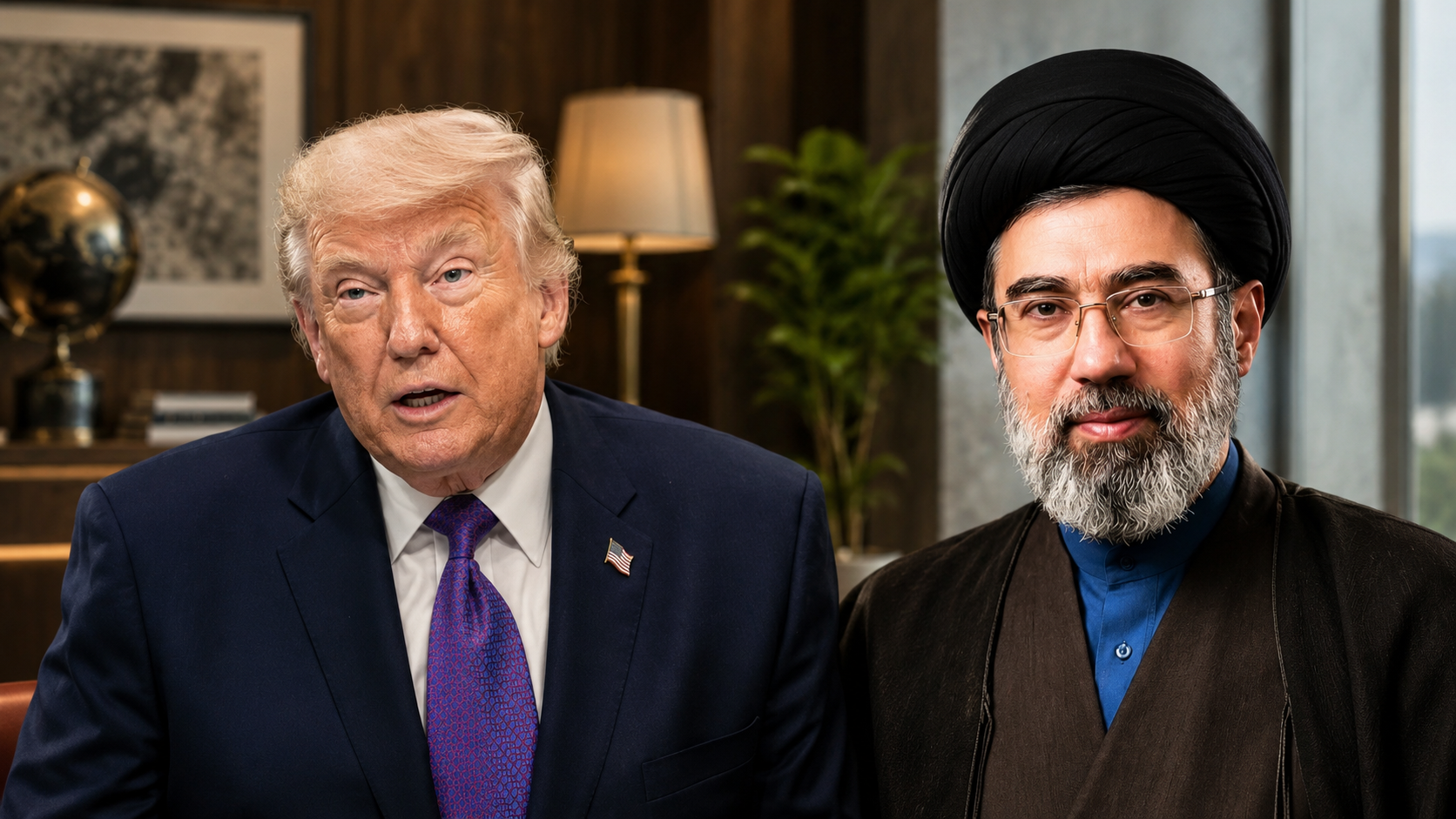
The United States and Iran have taken an important step toward improving relations through a new agreement that includes the release of some Iranian funds and limited relief from oil-related sanctions. While the agreement does not solve all issues between the two countries, it is being viewed as a starting point for broader negotiations in the future.
For many years, Iran has faced strict economic sanctions imposed by the United States and its allies. These sanctions were designed to limit Iran’s ability to earn money from oil exports and access international financial systems. As a result, billions of dollars belonging to Iran have remained frozen in foreign banks, and the country has faced major economic challenges.
Under the new arrangement, some of these frozen funds will be made available to Iran. According to US officials, the money is expected to be used for approved purposes, including the purchase of food and other essential goods. The US government says it wants to make sure that the released funds help ordinary people rather than being used for military purposes.
To address these concerns, a special technical committee has reportedly been established. This committee will examine how the money is spent and monitor financial transactions connected to the agreement. One of the main goals is to ensure that the funds are not redirected to armed groups or organizations operating in different parts of the Middle East.
The issue of regional security remains one of the biggest concerns for the United States. American officials have often accused Iran of supporting proxy groups in countries such as Lebanon, Iraq, Syria, and Yemen. Washington believes that limiting financial support to these groups could help reduce violence and instability in the region.
However, experts note that monitoring every dollar may be difficult. Once money enters an economy, it can be challenging to track exactly how it affects government spending and financial decisions. For this reason, some analysts believe that ensuring complete control over the use of the funds may not be possible.
Another major part of the agreement involves Iran’s oil exports. Before this development, Iran could still sell oil, but doing so was often difficult because many buyers feared US sanctions. Companies and countries that purchased Iranian oil sometimes faced economic risks and legal complications. Because of these risks, Iran frequently had to sell its oil at discounted prices.
The easing of certain oil sanctions changes this situation. With fewer restrictions, Iran may be able to sell oil more openly and at prices closer to the global market rate. This could significantly increase the country’s income and provide additional resources for economic development.
Higher oil revenues could help Iran improve public services, invest in infrastructure projects, and support economic growth. The country has struggled with inflation, currency problems, and unemployment in recent years. Additional income from oil exports may provide some relief to these economic pressures.
The agreement is also expected to create opportunities for further economic cooperation. If Iran continues to meet the conditions outlined in the deal, more frozen assets could be released over time. This process is expected to happen in stages, with each step linked to specific benchmarks or commitments.
These benchmarks are likely to include actions that both sides have agreed upon during negotiations. As Iran fulfills these requirements, the United States may gradually provide additional sanctions relief. This step-by-step approach is designed to build trust between the two countries and ensure that commitments are being respected.
In addition to gaining access to more funds, Iran could eventually receive greater access to international markets and banking systems. Such changes would make it easier for Iranian businesses to conduct international trade, receive payments, and participate in the global economy.
Access to international banking has been a major challenge for Iran because many financial institutions have avoided dealing with the country due to sanctions. Improved access could encourage foreign investment and make economic transactions smoother and more efficient.
Despite the positive developments, officials and analysts stress that this agreement should not be seen as a final solution. Many difficult issues remain unresolved, including concerns about Iran’s nuclear activities, regional security, and long-standing political disagreements between Washington and Tehran.
For now, both sides appear willing to continue discussions and explore further opportunities for cooperation. Supporters of the agreement believe that gradual engagement can reduce tensions and create a path toward more stable relations. Critics, however, worry that easing sanctions too quickly could provide Iran with additional resources without guaranteeing significant policy changes.
Overall, the release of Iranian funds and the easing of some oil sanctions represent an important diplomatic development. The agreement offers Iran economic benefits while giving the United States an opportunity to test whether further cooperation is possible. Officials on both sides describe the move as an initial step rather than a final destination, with future progress depending on continued negotiations and compliance with agreed conditions.
As talks continue, the world will be watching closely to see whether this first step leads to broader agreements, greater economic opportunities, and reduced tensions across the Middle East.
Summary
The United States has started taking the first steps toward improving relations with Iran by allowing access to some frozen Iranian funds and easing certain oil sanctions. Under the agreement, Iran is expected to use some of the released money for approved purposes, including buying food and other essential goods. A technical committee will monitor how the funds are spent to ensure they are not used to support armed groups in the Middle East. The deal also allows Iran to sell oil more freely, helping it earn higher revenues. Officials say this is only the beginning, and more sanctions relief could come if Iran meets future commitments.
Content
×
![]()