
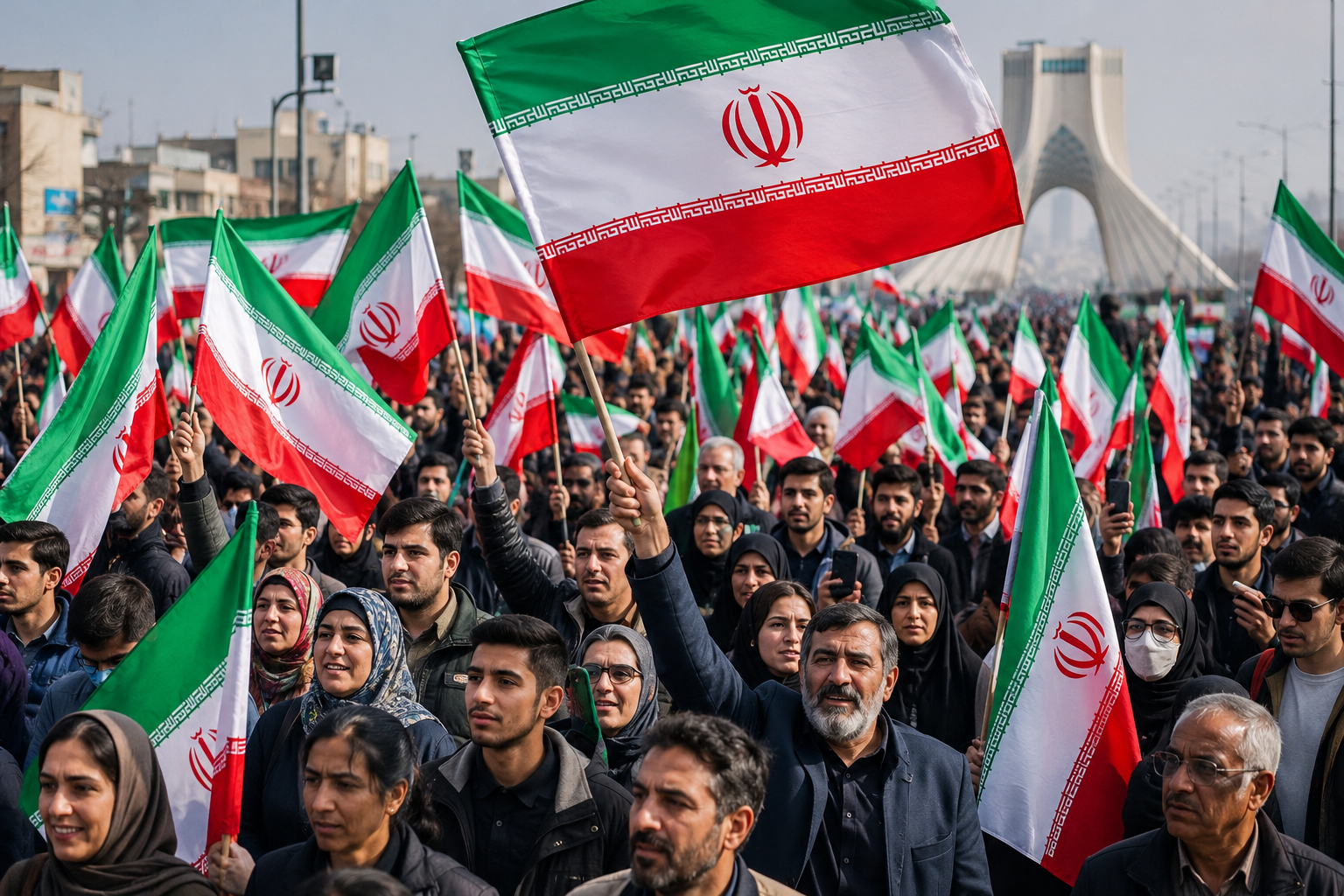
Many Iranians continue to express deep mistrust toward the United States, even after the signing of a recent memorandum of understanding (MoU) aimed at reducing tensions and creating a path toward stability. Across Tehran and other parts of the country, people say that years of political disputes, sanctions, military confrontations, and diplomatic disagreements have made it difficult to believe that relations between the two countries will improve quickly.
For many citizens, the issue goes beyond individual political leaders or government institutions. They often do not distinguish between decisions made by the US president, Congress, or other branches of the American government. Instead, they view US policy as a whole and believe that Washington has consistently taken actions that harm Iran’s interests. As a result, many people see the United States as responsible for increasing regional tensions and instability.
This feeling of mistrust has been reinforced by recent events in the region. Although the MoU was presented as an effort to reduce conflict and create a framework for cooperation, many Iranians remain skeptical about its long-term success. They argue that previous agreements and diplomatic efforts have often been followed by new disputes, making it difficult to believe that the current situation will be different.
In Tehran, discussions among residents often focus on uncertainty about the future. Many people say they are worried that the current period of relative calm could be temporary. There is a widespread belief that tensions could escalate again if either side takes actions that are viewed as provocative or hostile. This concern has created a sense of caution among the public, with many closely following developments in the region.
Political observers note that public opinion in Iran has been shaped by years of conflict and confrontation. Economic sanctions, diplomatic pressure, and military incidents have all contributed to a perception that the United States cannot be fully trusted. For many Iranians, these experiences are not distant historical events but ongoing realities that affect daily life. Rising prices, economic challenges, and concerns about security are often linked in public discussions to broader tensions between Iran and the West.
Since the signing of the MoU, several developments have attracted attention inside Iran. Statements from political leaders, reports of military activities, and ongoing disagreements over regional issues have all been closely monitored. Many Iranians interpret these signals as evidence that serious differences still exist between the two sides. While some people hope that diplomacy can prevent further escalation, others believe that the underlying disputes remain unresolved.
The fear of renewed conflict is particularly strong because of the strategic importance of the region. Any increase in tensions could have consequences not only for Iran but also for neighboring countries and international trade routes. This has led many citizens to support efforts that reduce the risk of confrontation while also maintaining Iran’s ability to protect its interests.
At the same time, there are voices within Iran that support continued diplomatic engagement. These individuals argue that dialogue is necessary to avoid further instability and that maintaining communication channels can help prevent misunderstandings. However, even among those who favor diplomacy, there is often a belief that trust must be earned through concrete actions rather than promises or public statements.
Analysts say that rebuilding confidence between Iran and the United States would require significant steps from both sides. Years of hostility have created deep suspicions, and changing public perceptions will likely take time. Many Iranians want to see evidence that agreements will be respected and that commitments made during negotiations will be honored in practice.
For now, the overall mood in Iran remains cautious. While the MoU has created some hope that tensions can be managed, it has not eliminated concerns about the future. Many people continue to watch regional developments carefully, uncertain about what the coming months may bring.
The situation highlights the challenges facing efforts to improve relations between countries that have experienced decades of mistrust and confrontation. Although diplomatic agreements can help reduce immediate tensions, building lasting confidence is often a much longer process. In Iran, many citizens believe that only consistent actions over time can change their views of the United States.
As regional events continue to unfold, the question of trust remains at the center of public opinion. Whether the current agreement leads to greater stability or becomes another temporary pause in a long-running dispute will depend on future developments. Until then, many Iranians remain wary, believing that the possibility of renewed tensions has not completely disappeared and that vigilance remains necessary in an uncertain regional environment.
Summary
Many people in Iran say they do not trust the United States despite the recent memorandum of understanding (MoU). They believe past actions by Washington have damaged relations and created lasting fears that tensions could rise again. Across the country, many remain concerned that the current calm may not last and that conflict could return at any time.
Content
×
![]()