
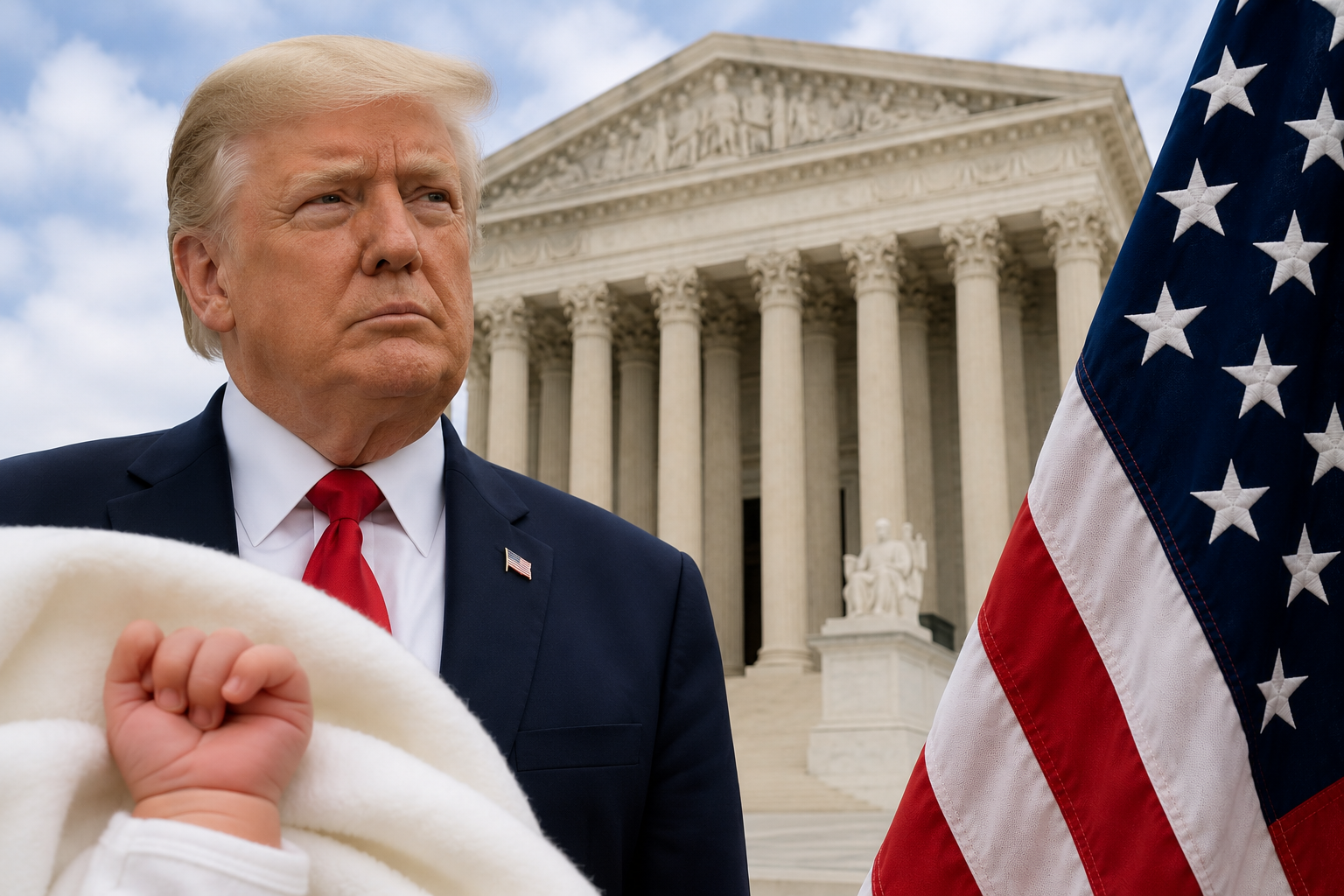
The United States Supreme Court has ruled that babies born on American soil automatically receive US citizenship, delivering a major setback to former President Donald Trump’s efforts to change the country’s immigration policies.
In a 6-3 decision, the court said that the US Constitution guarantees citizenship to nearly all children born in the country, regardless of the immigration status of their parents. The ruling confirms a policy that has been in place for more than 150 years and is known as birthright citizenship.
The case centered on the 14th Amendment of the US Constitution. This amendment was adopted in 1868 after the American Civil War and states that all persons born or naturalized in the United States, and subject to its jurisdiction, are citizens of the country.
Donald Trump had argued that this constitutional protection should not apply to children whose parents are living in the United States without legal permission or who are only in the country temporarily. He attempted to change the policy through an executive order, claiming that such children are not fully subject to US jurisdiction.
However, the Supreme Court disagreed with that interpretation.
Writing for the majority, Chief Justice John Roberts said that the Constitution’s promise of citizenship applies broadly to people born in the United States. He noted that the 14th Amendment was created to ensure equal rights and citizenship protections and that this principle remains important today.
Roberts emphasized that citizenship is a fundamental right that allows people to fully participate in American society and political life. He stated that the Constitution extends this protection to every person born in the country and that the court’s role is to uphold that promise.
The decision means that children born in the United States will continue to receive citizenship automatically, even if their parents are undocumented immigrants or temporary visitors.
The ruling was a major defeat for Trump, who has long criticized birthright citizenship. Throughout his political career, he argued that the policy encourages illegal immigration and “birth tourism,” where people travel to the United States specifically to give birth so their children can obtain American citizenship.
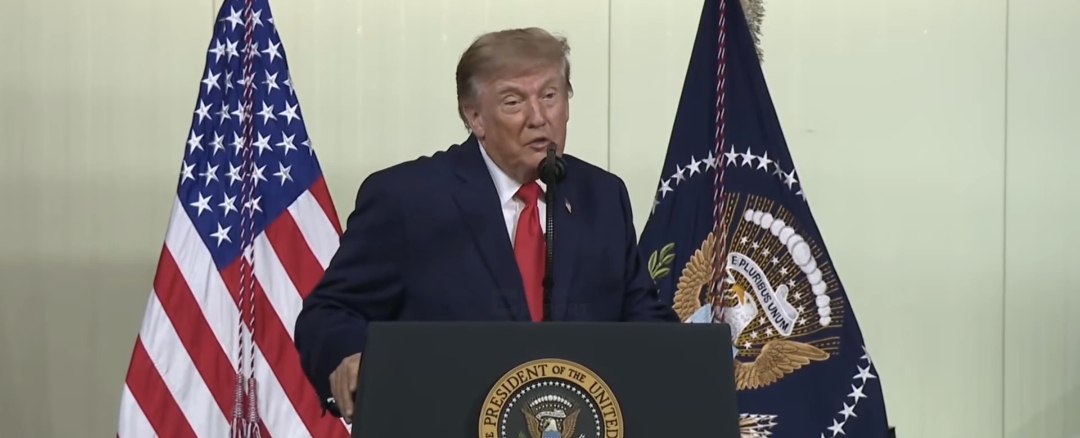
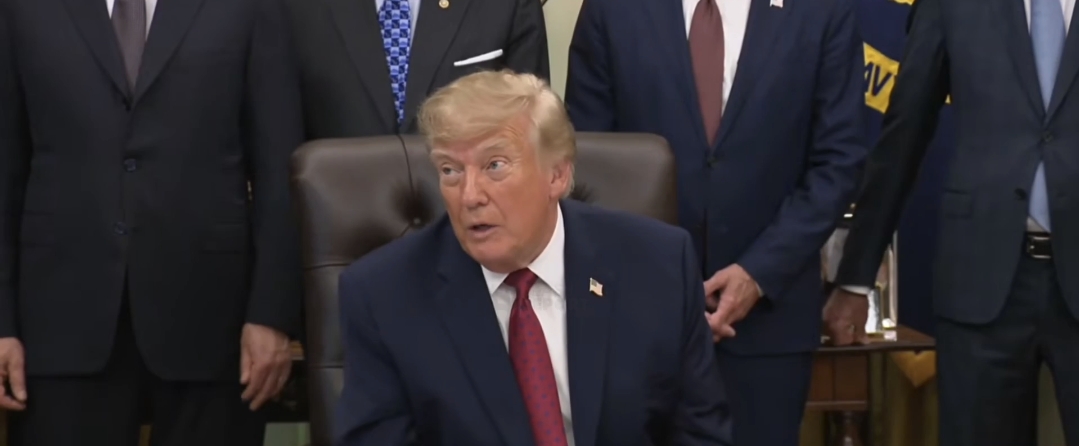
After the decision was announced, Trump expressed disappointment. He said he believed birthright citizenship was unfair and costly for the country. Although the Supreme Court rejected his approach, Trump said he would continue pushing for changes through legislation in Congress.
Supporters of Trump’s position also criticized the ruling. White House Chief of Staff Stephen Miller described the decision as one of the most damaging rulings in Supreme Court history. He argued that American citizenship should not automatically be granted to everyone born in the country and claimed that the Constitution was being interpreted too broadly.
Not all Supreme Court justices agreed with the majority opinion. Three conservative justices—Clarence Thomas, Neil Gorsuch, and Samuel Alito—dissented.
Justice Thomas argued that the 14th Amendment was originally intended to protect formerly enslaved people after the Civil War and should not be used in ways that go beyond its original purpose. He said the amendment was being applied to situations that its creators never intended.
Justice Samuel Alito also strongly disagreed with the majority. He argued that the ruling allows citizenship for almost anyone born in the United States, including children of people who come to the country specifically to give birth before returning home. Alito called the decision a serious mistake and warned that it could have long-term consequences.
Despite these objections, immigration advocates and civil rights organizations welcomed the ruling.
Many groups said the decision protects a long-established constitutional right and provides certainty for millions of families. They argued that changing birthright citizenship would create confusion and legal challenges while affecting children who have known no other country as home.
Dariely Rodriguez, chief counsel at the Lawyers’ Committee for Civil Rights Under Law, praised the ruling. She said it confirms a principle that has been recognized for more than a century: that anyone born in the United States is an American citizen, regardless of their parents’ immigration status.
Democratic leaders also welcomed the decision. Hakeem Jeffries, the top Democrat in the US House of Representatives, said the court correctly followed the Constitution and reaffirmed a fundamental American principle. He said there should be no doubt that people born in the United States are citizens.
The issue of birthright citizenship has been debated for many years, especially during discussions about immigration reform. Supporters say it reflects the nation’s values of equality and inclusion. Critics argue that it can be abused and encourages illegal immigration.
For now, the Supreme Court’s decision keeps the existing system in place and reinforces the constitutional protections established by the 14th Amendment. Any future effort to change birthright citizenship would likely require a constitutional amendment or major legislation, both of which would be difficult to achieve.
The ruling is expected to have a significant impact on future immigration debates in the United States. While political disagreements over immigration are likely to continue, the court’s decision confirms that birthright citizenship remains a protected constitutional right for children born in the country.
As a result, babies born in the United States will continue to automatically receive American citizenship, preserving a policy that has existed since the 19th century and shaping the lives of future generations.
Summary
The US Supreme Court has ruled that children born in the United States are citizens at birth, even if their parents are in the country illegally or only temporarily. The decision blocks former President Donald Trump’s attempt to end birthright citizenship through an executive order. The ruling was welcomed by civil rights groups but criticized by Trump and his supporters, who say the policy should be changed.
Content
×
![]()