
Many families in southern Lebanon are experiencing severe emotional and psychological difficulties after large parts of their villages were destroyed during the war with Israel. Thousands of people who once lived in peaceful towns now find themselves displaced, with no clear idea of when they will be able to return home.
One of those affected is Ali, an elderly resident from the coastal town of Naqoura in southern Lebanon. In early 2025, after Israeli forces withdrew from the area following a ceasefire, Ali stood outside his damaged home and said he planned to repair it. His house had cracks in its foundation, fruit trees had been uprooted, and much of the town had suffered damage. Despite the destruction, he remained hopeful and believed his community could recover.
However, that hope was shattered when fighting resumed months later. According to reports, large areas of Naqoura were completely destroyed, forcing Ali and many others to flee once again. Today, instead of living in his family home near the sea, he stays in a small room on a rooftop in Beirut. Like many displaced residents, he misses the life he once had and worries about what the future holds.
The destruction of villages across southern Lebanon has left many people feeling lost. Experts say the emotional impact goes far beyond losing a building. Homes often represent memories, family history, traditions, and a sense of belonging. When entire villages are destroyed, people lose the places that helped shape their identity.
Mental health specialists explain that familiar landmarks such as streets, schools, gardens, trees, and community centers are important parts of people's lives. These places help individuals connect with their past and understand where they belong. When everything disappears, many people experience deep grief and emotional distress.
Basma Alloush of the International Rescue Committee said that people are losing more than just houses. They are losing the physical reminders of their childhood and family history. For many residents, there is no way to visit the places where they grew up because those places no longer exist. This can create a painful feeling that part of their past has been erased.
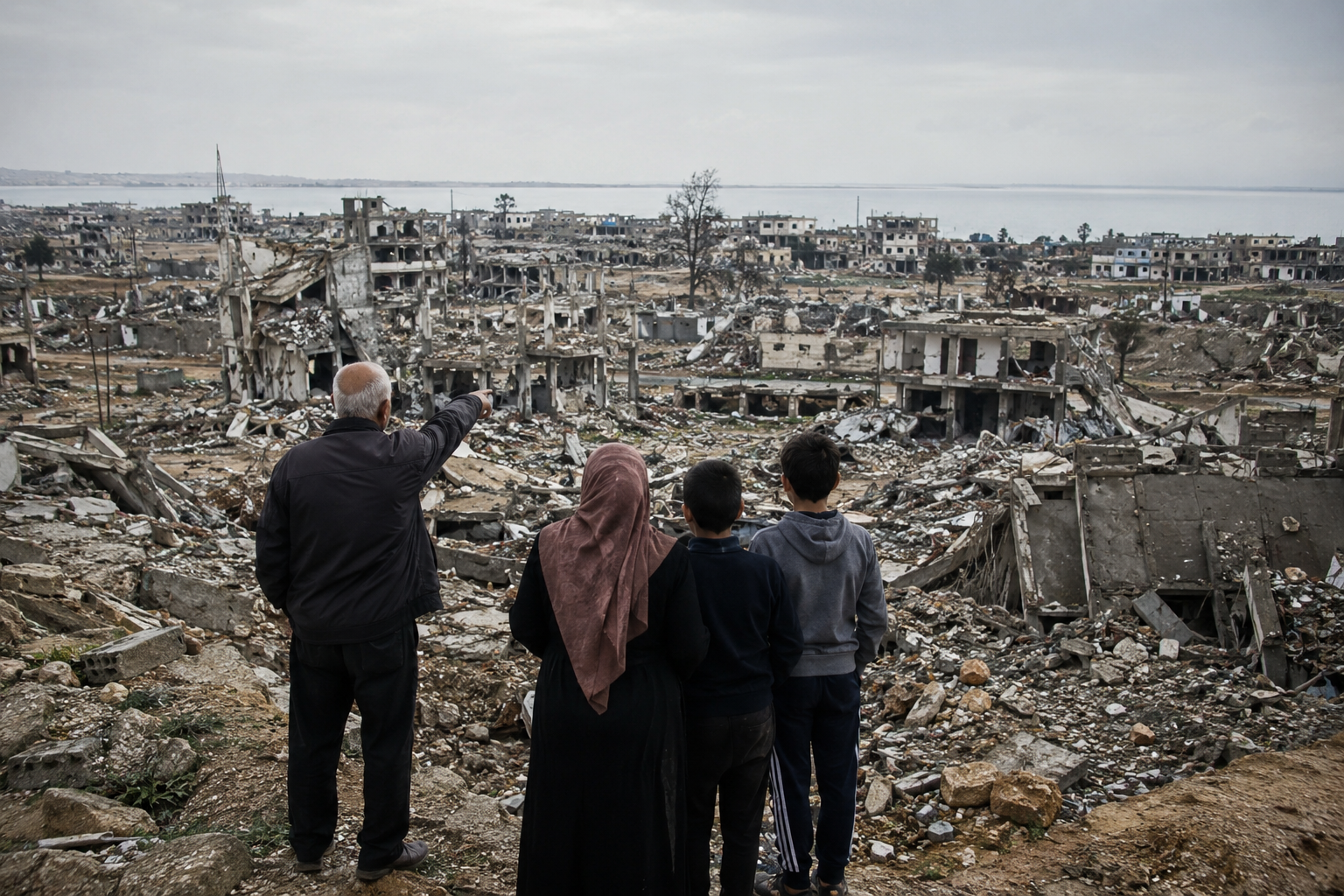
The latest fighting has caused extensive destruction across southern Lebanon. Entire neighborhoods have been reduced to rubble, and many towns have become unlivable. Thousands of people remain displaced because their homes have either been destroyed or are located in areas that remain under military control.
Reports indicate that more than 1.2 million people were displaced at the height of the conflict. Although some families have returned, many others still have nowhere to go. Villages such as Bint Jbeil, Kfar Kila, Meiss el-Jabal, Taybeh, Deir Siryan, and Naqoura have suffered heavy damage.
The destruction is so widespread that some residents who try to return cannot even identify where their homes once stood. Streets, buildings, and landmarks have disappeared, making entire communities almost unrecognizable.
Psychologists say similar experiences have been seen in other conflict zones. People returning to heavily damaged areas often feel confused and disconnected because the environment no longer matches their memories. This can lead to feelings of sadness, anxiety, helplessness, and emotional shock.
The situation is especially difficult because many Lebanese people were already dealing with previous crises. Over the past several years, the country has faced political unrest, a severe economic collapse, the devastating Beirut port explosion in 2020, and now years of conflict. These repeated hardships have placed enormous pressure on people's mental health.
Children and teenagers have also been deeply affected. Many young people have witnessed destruction, displacement, and loss. Some have seen their homes destroyed and their communities disappear. Mental health experts warn that these experiences can have long-lasting effects on children's emotional well-being and development.
According to trauma specialists, the loss of a village affects every part of a person's life. Homes and neighborhoods are not only places where people sleep. They are where families gather, children grow up, friendships develop, and traditions are passed from one generation to another. When these places disappear, people often feel as though a part of themselves has been lost.
Dr. Joseph El-Khoury, a psychiatrist and conflict medicine expert, explained that homes carry great symbolic importance. They provide security, comfort, and a connection to family history. In many Lebanese villages, families have lived on the same land for generations. Losing those places can make people feel disconnected from their roots and identity.
Experts believe that rebuilding damaged communities is essential for recovery. Reconstructing homes, roads, schools, electricity networks, and water systems will help residents return to normal life. Just as importantly, rebuilding can restore hope and help people reconnect with their communities.
However, specialists warn that reconstruction alone will not solve every problem. Long-term recovery will require stability, effective planning, economic support, and lasting peace. Without these conditions, many residents may continue to struggle with emotional wounds long after the fighting ends.
For thousands of displaced Lebanese families, the destruction of their villages represents more than physical damage. It is the loss of memories, history, identity, and belonging. As they wait for the chance to return home, many continue to face uncertainty while carrying the emotional burden left by years of conflict and displacement.
Summary
Thousands of people in southern Lebanon are struggling with grief and uncertainty after their homes and villages were destroyed during the war with Israel. Many families have been forced to leave their communities and now live far from the places where they grew up. Experts say the loss of homes, streets, trees, and familiar landmarks is causing serious emotional and psychological suffering. For many residents, rebuilding villages will be important not only for housing but also for helping people recover their sense of identity and belonging.
Content




×
![]()