
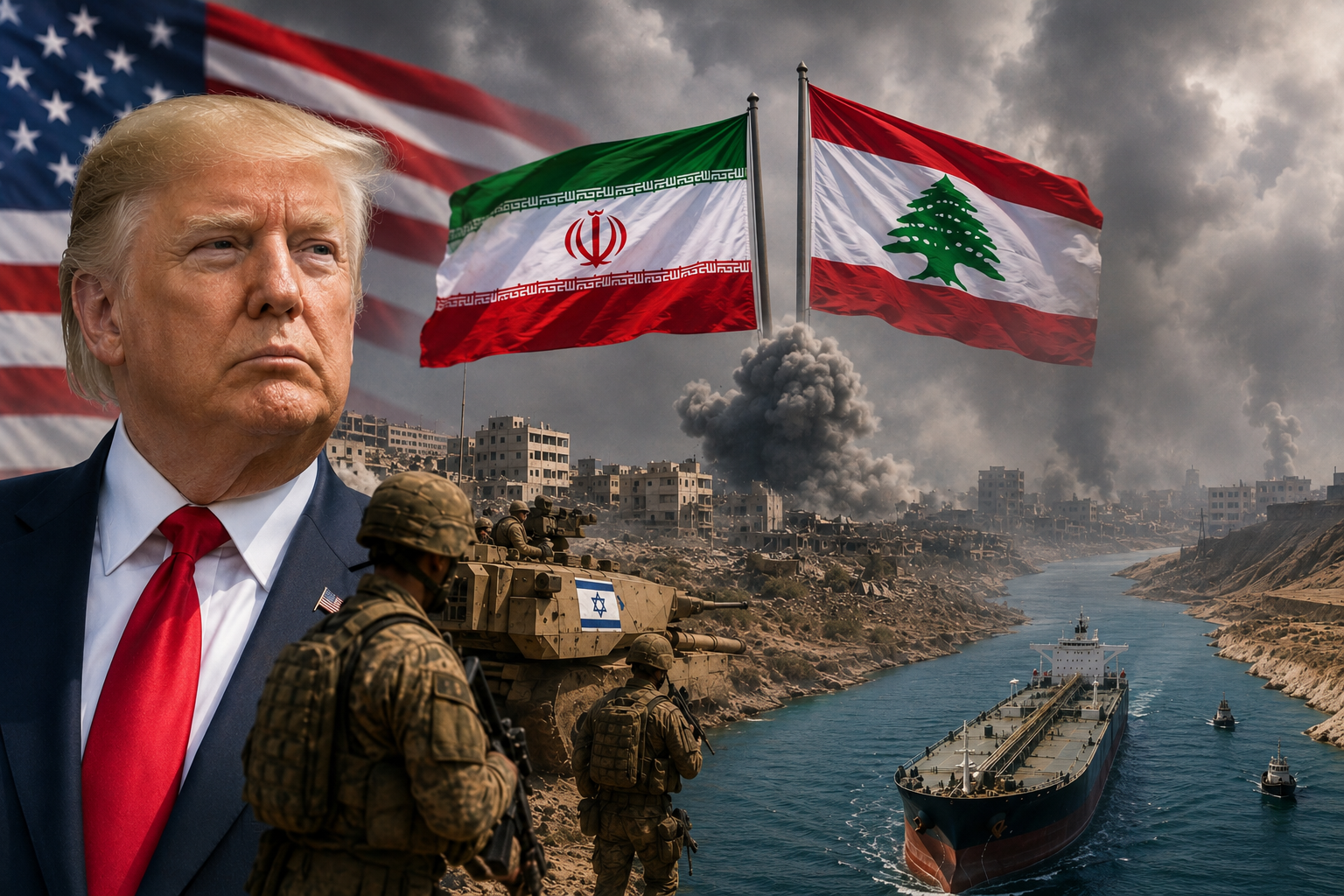
Iran is trying to increase pressure on the United States after Israel refused to withdraw its troops from southern Lebanon. According to political analysts, Tehran believes Washington is partly responsible because the US supports Israel and helped shape the current agreement. However, experts also say Iran is unlikely to abandon negotiations that could lead to the lifting of sanctions and improve its struggling economy.
The latest tensions come after Israel kept forces inside parts of southern Lebanon despite expectations that troops would eventually leave. Iran argues that this goes against the spirit of the understanding reached between the parties. Because of this, Tehran has delayed planned talks in Switzerland and has taken steps to show its dissatisfaction.
One of Iran's strongest signals has been its actions around the Strait of Hormuz, one of the world's most important shipping routes. A large share of global oil exports passes through this narrow waterway every day. Analysts say Iran has been slowing maritime traffic and increasing pressure in the area as a warning. These actions are meant to remind the United States and its allies that Iran can create problems if its concerns are ignored.
Despite these moves, experts believe neither side wants the situation to become a full crisis. Muhanad Seloom, an assistant professor at the Doha Institute for Graduate Studies, described the current situation as "managed brinkmanship." This means both sides are increasing pressure but are carefully avoiding actions that could completely destroy negotiations or lead to a wider conflict.
Iran has strong reasons to continue diplomatic talks. Years of international sanctions have severely damaged its economy. Inflation remains high, the value of the national currency has fallen, and many ordinary Iranians continue to face financial hardship. Any agreement that reduces sanctions could help improve trade, attract investment, and strengthen the country's economy. Because of this, Tehran is expected to continue negotiations even while expressing anger over developments in Lebanon.
The United States also has important reasons to keep talks alive. Washington wants stability in the Middle East and hopes to prevent further conflict. Another major concern is keeping the Strait of Hormuz open. If shipping through the strait is disrupted, global oil prices could rise sharply, affecting economies around the world. This gives both Iran and the United States an incentive to avoid a complete breakdown in relations.
Lebanon has become an important issue in these negotiations because of Iran's long-standing support for Hezbollah. For many years, Hezbollah has been one of Iran's closest regional allies and has played a major role in what Iran calls the "Axis of Resistance." This network includes armed groups and political movements that oppose Israel and US influence in the Middle East.
However, recent fighting has seriously weakened Hezbollah. The group has suffered military losses, and analysts say its ability to deter Israel has declined significantly. According to Seloom, this has created a difficult situation for Iran. Tehran wants to show that it continues to support Lebanon and its allies, but the reduced strength of Hezbollah limits Iran's ability to influence events on the ground.
This creates what experts describe as a "sovereignty trap." Iran feels it must publicly defend Lebanon to maintain its regional image and credibility. At the same time, it knows that direct military escalation could damage its own national interests and threaten negotiations aimed at easing sanctions.
As a result, Iran is expected to rely mainly on political pressure, diplomacy, and symbolic actions rather than entering a direct confrontation. Delaying talks, increasing naval activity near the Strait of Hormuz, and making strong public statements allow Tehran to send a message without closing the door to future agreements.
Analysts believe Lebanon is also being used as leverage in wider negotiations. Instead of risking everything over the pace of Israel's withdrawal, Iran may use the issue to gain concessions in other areas. This strategy allows Tehran to defend its position publicly while keeping open the possibility of reaching a broader understanding with the United States.
The coming weeks will be important. If Israel eventually withdraws from southern Lebanon and diplomatic talks resume, tensions could ease. However, if the dispute continues or military incidents increase, the risk of further escalation will remain.
For now, experts believe both Iran and the United States are trying to balance pressure with diplomacy. Iran wants sanctions relief and economic recovery, while the United States wants regional stability and secure energy supplies. Although disagreements over Lebanon remain serious, neither side appears willing to sacrifice its larger strategic goals.
The situation remains fragile, but current signs suggest that both governments are choosing careful pressure instead of direct confrontation. Their actions indicate that while tensions are high, diplomacy is still seen as the best path forward for protecting national interests and preventing a wider regional crisis.
Summary
Iran is increasing pressure on the United States over Israel's continued military presence in southern Lebanon. While Tehran has delayed talks in Switzerland and warned through actions around the Strait of Hormuz, experts believe it does not want to destroy the chance of sanctions relief or economic recovery. Iran is trying to support Lebanon politically, but it is also focused on protecting its own long-term interests.
Content
×
![]()