
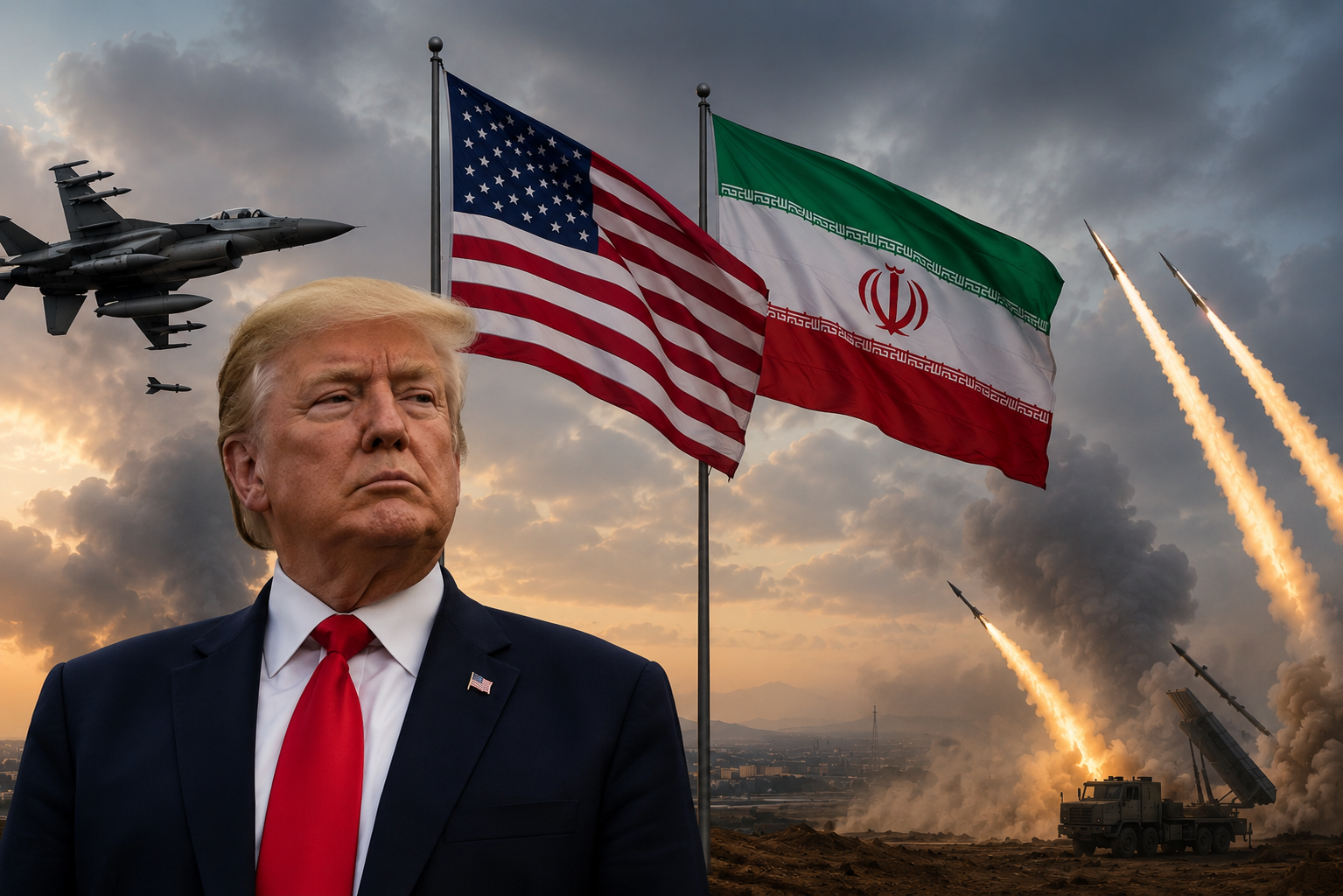
The conflict between the United States and Iran has intensified once again after both sides exchanged military attacks despite ongoing peace talks. The latest violence has raised fears that the ceasefire agreement reached only a few weeks ago may no longer hold, increasing the risk of another major conflict in the Middle East.
According to the US military, more than 80 targets inside southern Iran were struck during overnight operations. The United States said the attacks were carried out in response to Iranian actions against commercial ships passing through the Strait of Hormuz, one of the world's most important shipping routes for oil and gas exports.
US officials said three commercial vessels were attacked while sailing near the Strait of Hormuz. Washington blamed Iran for the incident and claimed the attacks threatened international trade and the safety of global shipping. In response, the US targeted Iranian air defence systems, coastal radar sites, missile launch positions, military command centres, and several boats belonging to Iran's Islamic Revolutionary Guard Corps (IRGC).
Speaking during the NATO summit in Ankara, Türkiye, US President Donald Trump defended the military operation and said the United States had responded with strength. He also expressed doubts about the future of the peace agreement with Iran, saying he believed the memorandum of understanding (MoU) signed in June was effectively over. Although he said negotiators could continue discussions, he questioned whether further talks would achieve any meaningful results.
Iran strongly rejected the US claims and described the American airstrikes as a serious violation of the peace agreement. Iranian officials said the attacks broke the commitments made under the MoU, which was designed to reduce tensions and create space for negotiations over Iran's nuclear programme and regional security issues.
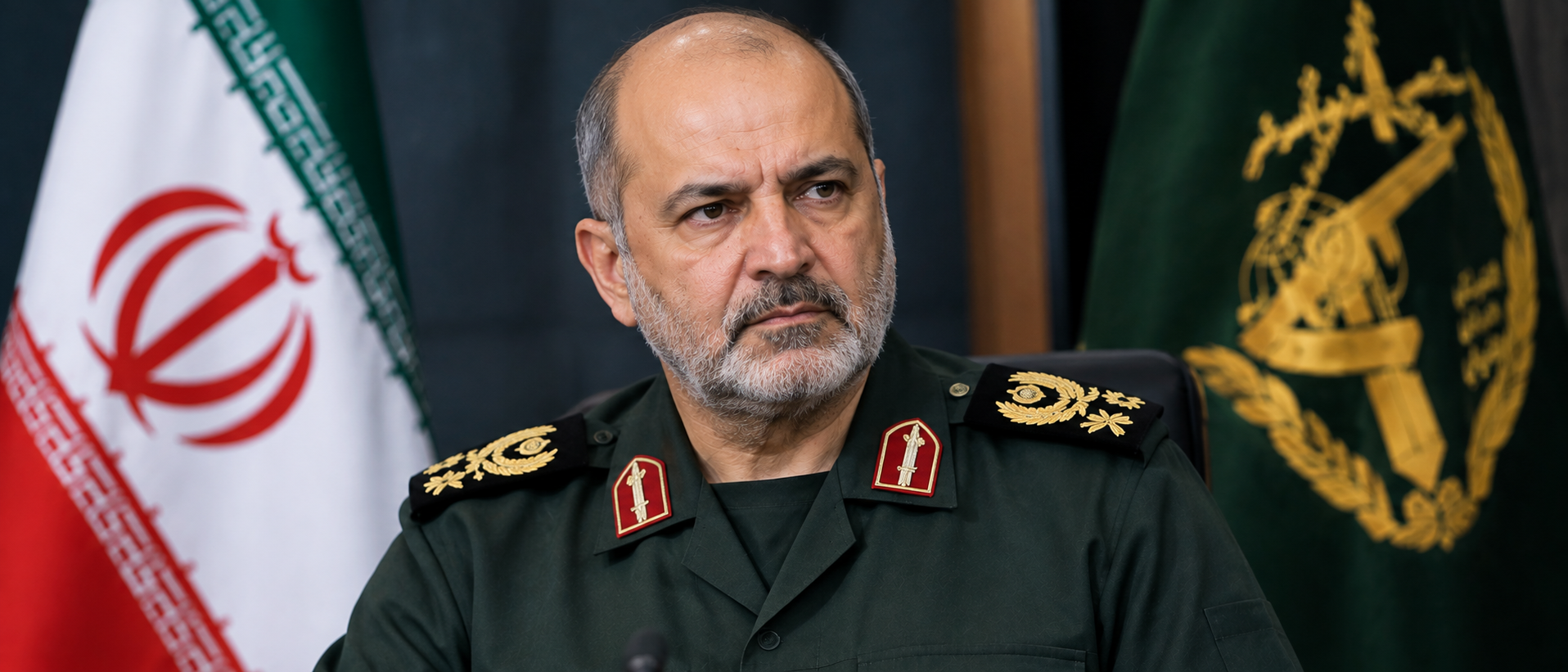
The IRGC announced that it had launched retaliatory strikes against US military facilities in Bahrain and Kuwait. Iranian state media claimed several military targets were hit, while sirens were heard in both countries. Iran also said it had shot down an American MQ-9 drone during the operation. Independent confirmation of the full extent of the damage has not yet been released.
Iran's Foreign Ministry accused Washington of violating international law and the United Nations Charter by attacking Iranian territory. Officials warned that Iran would continue defending its sovereignty and would respond to any further military action. Iranian leaders also said the latest US attacks had seriously damaged trust between the two countries and made future negotiations much more difficult.
The latest military exchange comes during a sensitive period for Iran. The country is currently observing funeral ceremonies for Supreme Leader Ayatollah Ali Khamenei, whose death earlier this year during the US-Israel conflict significantly changed the political situation inside Iran. The renewed fighting during this period has further increased tensions across the region.
Alongside the military action, the United States has also reimposed sanctions on Iranian oil exports. During the peace negotiations, Washington had temporarily eased some sanctions to allow Iran limited oil sales in exchange for keeping the Strait of Hormuz open for international shipping. With the new sanctions now back in place, Iran's economy could face additional pressure, as oil exports remain one of its main sources of income.
The Strait of Hormuz remains at the centre of the crisis. Nearly one-fifth of the world's oil passes through this narrow waterway, making it one of the most strategically important maritime routes in the world. Any disruption in the area can quickly affect global energy supplies and international markets.
Following news of the strikes, global financial markets reacted immediately. Oil prices climbed sharply as investors worried that the conflict could disrupt energy supplies. Stock markets in Europe declined, while the US dollar strengthened as traders moved toward safer investments. Analysts warned that a prolonged conflict could increase inflation and create new economic challenges around the world.
Several countries across the Middle East quickly responded to the latest developments. Bahrain and Kuwait condemned the Iranian attacks on their territory and described them as violations of their sovereignty. Qatar, Oman, Egypt, and the Gulf Cooperation Council also called for restraint and urged all sides to avoid further escalation. Many regional governments warned that continued fighting could threaten stability throughout the Gulf.
NATO Secretary-General Mark Rutte supported the US response, saying Washington had acted after attacks on commercial shipping. However, many international observers continue to call for diplomacy, warning that more military action could completely derail the ongoing peace process.
Military analysts believe both the United States and Iran are trying to avoid a full-scale war, but repeated attacks during negotiations have weakened trust between the two sides. Every new exchange of strikes increases the possibility of miscalculation, making it more difficult for diplomats to restore calm.
For now, the future of the US-Iran peace talks remains uncertain. While some officials continue to support negotiations, recent military action and harsh political statements have placed the agreement under serious strain. Unless both countries return to diplomacy soon, the region could face another dangerous period of conflict with consequences reaching far beyond the Middle East.
Summary
The United States has launched a new wave of airstrikes on Iran after accusing Tehran of attacking commercial ships in the Strait of Hormuz. Iran responded by targeting US military sites in Bahrain and Kuwait and called the American attacks a violation of the peace agreement signed in June. The renewed fighting has increased tensions across the Middle East and raised concerns that the peace process between the two countries could collapse.
Content
×
![]()