
The humanitarian crisis in Gaza continues to worsen as millions of Palestinians face daily challenges caused by the ongoing conflict. Although there have been periods of reduced fighting under a ceasefire, many families are still living in extremely difficult conditions. People continue to struggle to find safe shelter, enough food, clean drinking water, medical care, electricity, and other basic necessities.
According to recent reports, more than 73,000 Palestinians have been killed since the war began in October 2023. Thousands more have been injured, while many families are still searching for missing relatives. The conflict has affected nearly every part of Gaza, leaving communities devastated and making daily life extremely difficult.
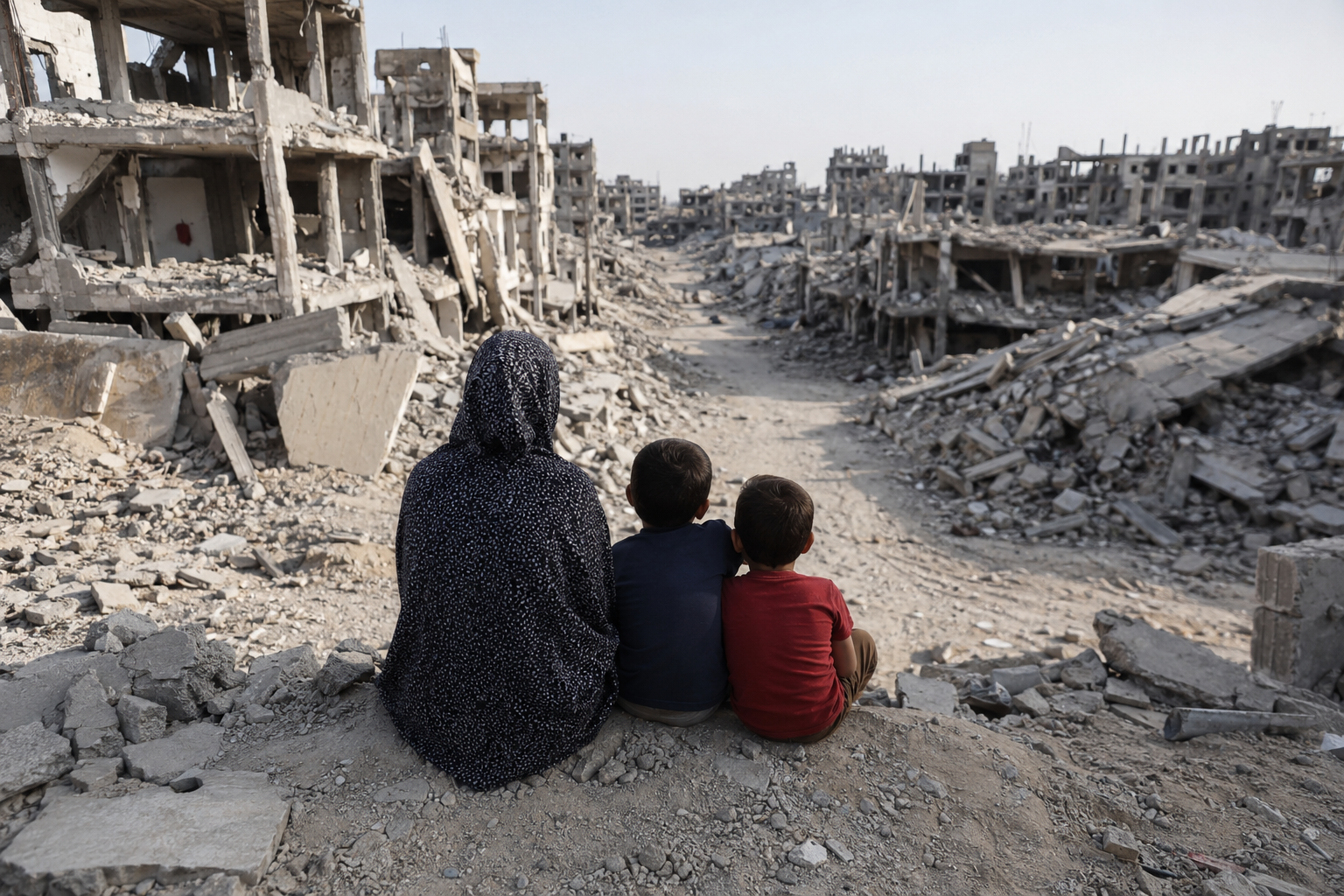
More than 2 million Palestinians have been displaced, meaning most of Gaza's population has been forced to leave their homes at least once. Many families have moved several times as fighting spread to different areas. Today, thousands of people are living in temporary tents, overcrowded shelters, schools, or damaged buildings because they have nowhere else to go.
The destruction of homes has been one of the biggest challenges. Large parts of Gaza have been heavily damaged, with hundreds of thousands of homes destroyed or damaged, leaving many families homeless. Entire neighborhoods have been reduced to rubble, making it impossible for many people to return to their communities. The United Nations estimates that rebuilding Gaza will require around $70 billion and could take many years.
Food shortages remain a serious problem across the territory. Many markets have been damaged or have limited supplies, while transportation problems have made it difficult to deliver food. Humanitarian organizations continue to provide emergency food assistance, but demand is much greater than the available supply. In many areas, families wait for hours to receive basic food packages, and some survive on only one meal a day.
Access to clean drinking water is also limited. Damage to water systems and shortages of fuel needed to operate water pumps have reduced the availability of safe water. Many people depend on water trucks or temporary distribution points, while others are forced to use unsafe water sources, increasing the risk of disease.
Hospitals and healthcare centers continue to operate under severe pressure. Doctors, nurses, and emergency workers are treating large numbers of injured patients while also caring for people with chronic illnesses. However, many hospitals face shortages of medicines, medical equipment, fuel, and electricity. Some medical facilities have been damaged during the conflict, making it even harder to provide treatment.
Children have suffered greatly during the crisis. Many have lost family members, been forced to leave their homes, or had their education interrupted. Numerous schools have been damaged or are being used as shelters for displaced families. Aid organizations warn that the long-term effects of the conflict on children's education and mental health could last for many years.
The economy in Gaza has also been severely affected. Many businesses have closed or been destroyed, leaving thousands of people without jobs or regular income. Families that once supported themselves now depend on humanitarian aid for food, water, and other basic needs. With limited employment opportunities, rebuilding livelihoods remains a major challenge.
Electricity shortages continue to affect everyday life. Many areas receive only limited power, making it difficult for hospitals, water treatment plants, businesses, and homes to function normally. Fuel shortages have also limited the use of generators, creating additional problems for essential services.
International aid organizations, including United Nations agencies and humanitarian groups, continue to deliver food, medicine, clean water, shelter materials, and other emergency assistance. However, they say much more support is needed because the needs of the population remain overwhelming. Aid workers also face challenges in reaching some communities due to damaged roads, security concerns, and limited access.
According to recent reports, about 70 percent of Gaza is now under Israeli military control or subject to military restrictions, making movement more difficult for civilians and humanitarian workers. This has added to the challenges of delivering aid and helping displaced families.
Human rights organizations have also reported that thousands of Palestinians have been arrested or detained in Gaza and the occupied West Bank since the conflict began. Different organizations provide different figures depending on the location and time period, and reports continue to be updated as new information becomes available.
The international community continues to call for greater protection of civilians, increased humanitarian access, and efforts to reduce violence. Governments and aid agencies have stressed that civilians should be protected under international humanitarian law and that essential humanitarian assistance must reach those in need.
For millions of Palestinians, daily life remains a struggle for survival. Families continue searching for food, clean water, medical care, and a safe place to sleep while hoping for lasting peace and the opportunity to rebuild their homes and communities. Humanitarian organizations warn that without continued international support and long-term recovery efforts, Gaza's humanitarian crisis will remain one of the world's most serious emergencies.
Middle East
Gaza Humanitarian Crisis Deepens as Thousands Remain Without Homes, Food, and Medical Care
Summary
The humanitarian situation in Gaza remains extremely difficult as millions of Palestinians continue to struggle with the effects of the war. Tens of thousands of people have been killed, millions have been displaced, and many homes, hospitals, schools, and public buildings have been damaged or destroyed. Aid agencies warn that urgent humanitarian support is still needed to help civilians recover and rebuild their lives. The European Union has also announced $1 billion in financial support to help Palestinians by providing humanitarian aid, supporting essential services, and assisting with recovery efforts.
Content
×
![]()