
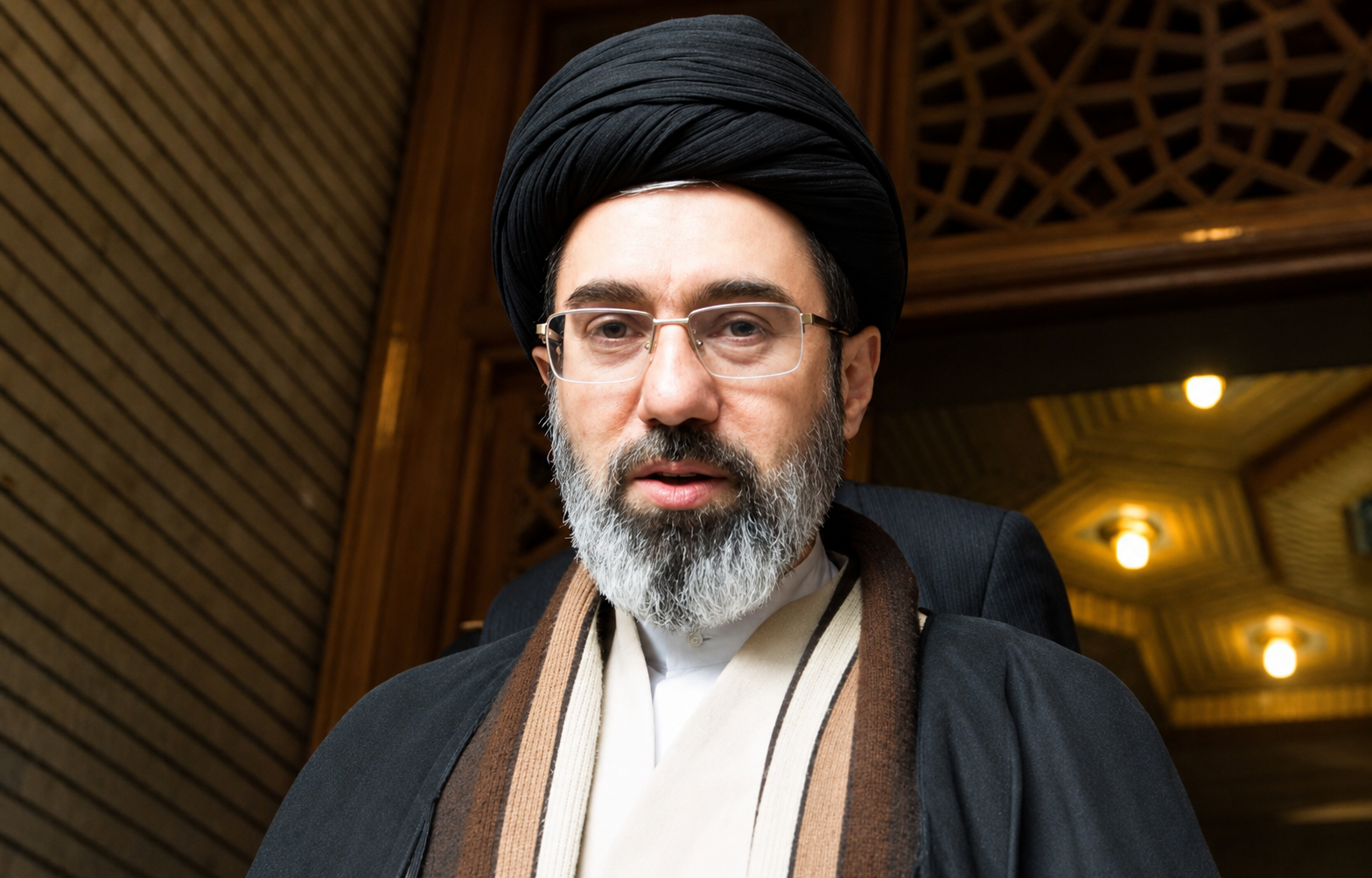
Iran's Supreme Leader Mojtaba Khamenei has called on the people of Iran to remain united as the country's conflict with the United States continues. In a public message, he said that this is a time for "sacred unity" and that all Iranians should avoid political disputes and disagreements.
Khamenei said that during difficult times, unity is one of the country's strongest weapons. He warned that Iran's enemies should not see any signs of weakness or division inside the country. According to him, people and government officials should work together instead of arguing over political differences.
His message comes after several days of renewed fighting between Iran and the United States. The two countries have exchanged military attacks, and tensions have risen across the Middle East. Important infrastructure in Iran has been damaged, while Iran has also launched attacks on American military positions and regional allies.
The Supreme Leader's statement also follows growing criticism from hardline supporters inside Iran. These groups were unhappy with a memorandum of understanding (MoU) that Iran had signed with the United States in an effort to pause months of fighting.
Khamenei explained that he personally had a different opinion about the agreement. However, he said he approved it after President Masoud Pezeshkian accepted responsibility for the decision as chairman of Iran's Supreme National Security Council.
Despite his approval, many hardline supporters believed the agreement gave too many advantages to the United States. Some accused government officials of betraying the country. Public criticism increased, and some officials faced angry reactions during public events and funeral ceremonies.
One of the strongest critics was hardline lawmaker Mahmoud Nabavian. He even revealed classified information during a live television appearance while criticizing the agreement. Soon after, he was removed from the parliament's National Security and Foreign Policy Committee.
The agreement has now been suspended by Iran. At the same time, the recent military clashes between Iran and the United States have made the chances of reviving the deal much more difficult.
Since Khamenei's latest message, several senior Iranian officials have also called for national unity.
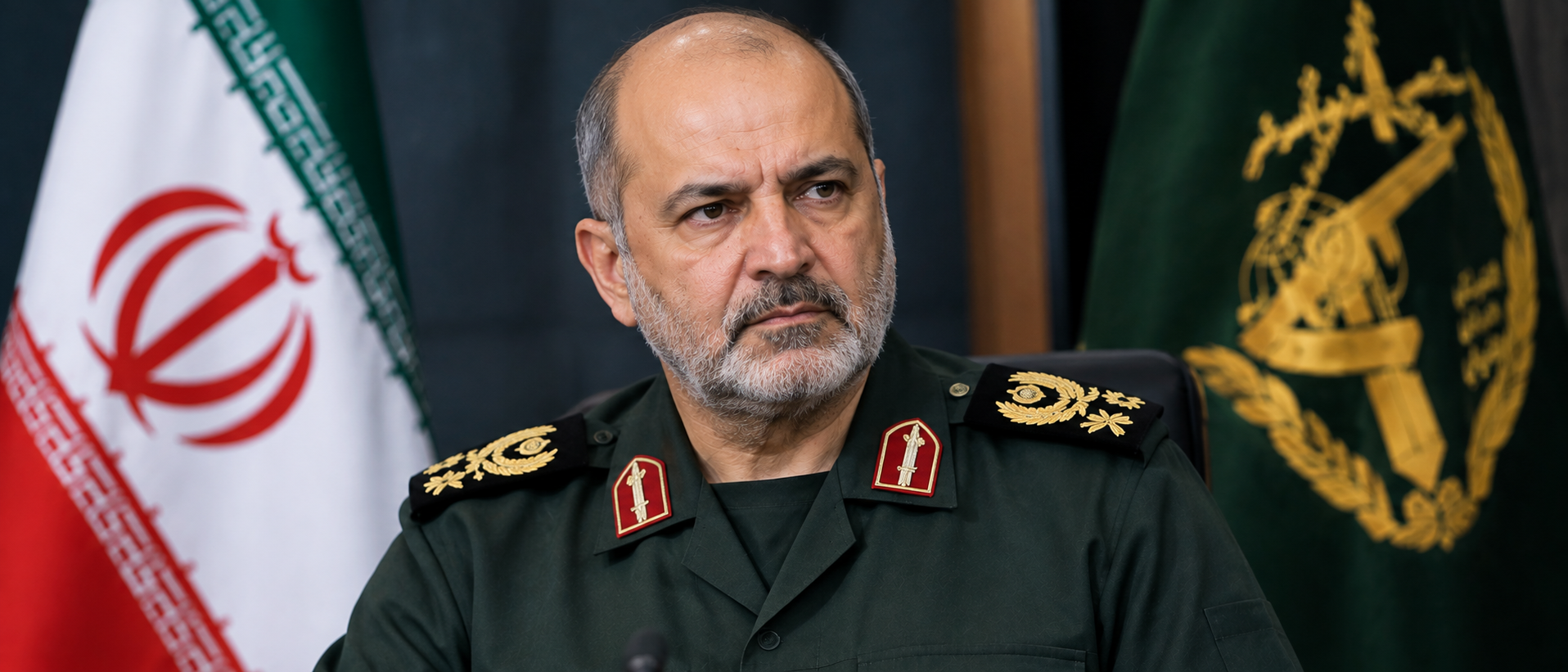
Ali Abdollahi, who heads Iran's wartime joint military command, said the armed forces fully support the Supreme Leader's call for unity. He also warned that the United States would receive a strong response for its recent attacks on Iranian territory.
President Masoud Pezeshkian welcomed Khamenei's message and thanked him for encouraging trust between the country's leadership. The president said that avoiding division and working together would help Iran overcome the current crisis.
Parliament Speaker Mohammad Bagher Ghalibaf also supported the message. He said following the Supreme Leader's guidance is important for protecting the country and strengthening national resistance.
Iranian officials have also tried to show that both the military and political leadership are working together despite disagreements over past negotiations. They want both the Iranian people and the international community to see that the country's leadership remains united.
Some reports suggested that American officials believe hardline groups inside Iran played a role in increasing tensions and making negotiations more difficult. However, Iranian leaders have rejected claims that internal divisions are weakening the country's position.
Iranian state media also supported the Supreme Leader's message. One newspaper said that while criticism of government decisions is acceptable, making false accusations against officials is harmful and should stop.
Foreign Minister Abbas Araghchi also spoke about the ongoing conflict. He said Iran still supports a negotiated end to the war but pointed out that many lives and important facilities have already been lost because fighting continued. He mentioned the deaths of senior officials and the destruction of major industrial sites as examples of the heavy cost of the conflict.
Although Iran says it is still open to diplomacy, there are currently no signs that Tehran and Washington will return to direct negotiations. Military attacks have continued, and tensions remain high across the region.
The conflict has also affected important shipping routes and energy infrastructure, raising concerns among neighboring countries and the international community. Many governments continue to call for restraint and a peaceful solution to prevent the situation from becoming even more dangerous.
For now, Iran's leadership is focusing on maintaining national unity while preparing for further developments in its conflict with the United States. Khamenei's message is aimed at reducing political divisions inside the country and encouraging people to stand together during one of the most challenging periods Iran has faced in recent years.
Summary
Iran's Supreme Leader Mojtaba Khamenei has urged the Iranian people and government officials to stay united as fighting with the United States continues. He asked everyone to avoid political arguments and internal divisions, saying that national unity is important during the conflict. His message came after criticism from hardline groups over a previous agreement with the US and as both countries continue exchanging attacks.
Content
×
![]()