
A major development has emerged in efforts to end the war in Gaza after Hamas agreed to a new peace plan that includes giving up all of its weapons. The announcement was made by US President Donald Trump, who said the agreement is part of the "Board of Peace" initiative aimed at ending the conflict and creating a path toward long-term stability in Gaza.
A senior Hamas official confirmed to the BBC that the group has accepted the plan and said an official statement would be released soon. If fully implemented, this would be the first time Hamas has agreed to completely disarm, making it one of the most significant developments since the conflict began.
According to President Trump, the agreement will be carried out in several carefully planned stages. Hamas and other armed groups in Gaza are expected to gradually surrender their weapons under international supervision. As each stage is completed and independently verified, Israeli forces would begin withdrawing from Gaza.
US officials explained that the process is based on a "zero trust" system. This means neither side will move to the next stage until independent monitors confirm that the other side has fulfilled its commitments. Officials believe this approach could reduce the risk of either side breaking the agreement.
The disarmament process will begin with Hamas's police force handing over its weapons to the new Palestinian transitional authorities. After that, heavy weapons, military tunnels, weapons factories, and storage sites would be dismantled. Smaller armed groups and local militias would also be required to surrender their weapons as part of the agreement.
One of the biggest challenges will be safely collecting and storing thousands of weapons. Officials said this will require technical planning and close international supervision. Eventually, all personal weapons in Gaza would also be brought under the control of Palestinian authorities according to Palestinian law.
Once the disarmament process is completed, a new Palestinian transitional government would take control of Gaza. An international stabilization force would work alongside a newly formed Palestinian police force to maintain security and help rebuild the territory.
President Trump described the agreement as a major step toward peace. He said the plan would allow Gaza to be governed by Palestinians while creating better security for both Palestinians and Israelis. He also thanked Egypt, Qatar, and Turkey for helping mediate months of difficult negotiations.
The negotiations reportedly lasted for several months and involved intense discussions between Hamas, the mediators, and the Board of Peace. According to officials involved in the talks, Hamas wanted the agreement to describe the process as placing weapons under Palestinian supervision rather than handing them directly to Israel.
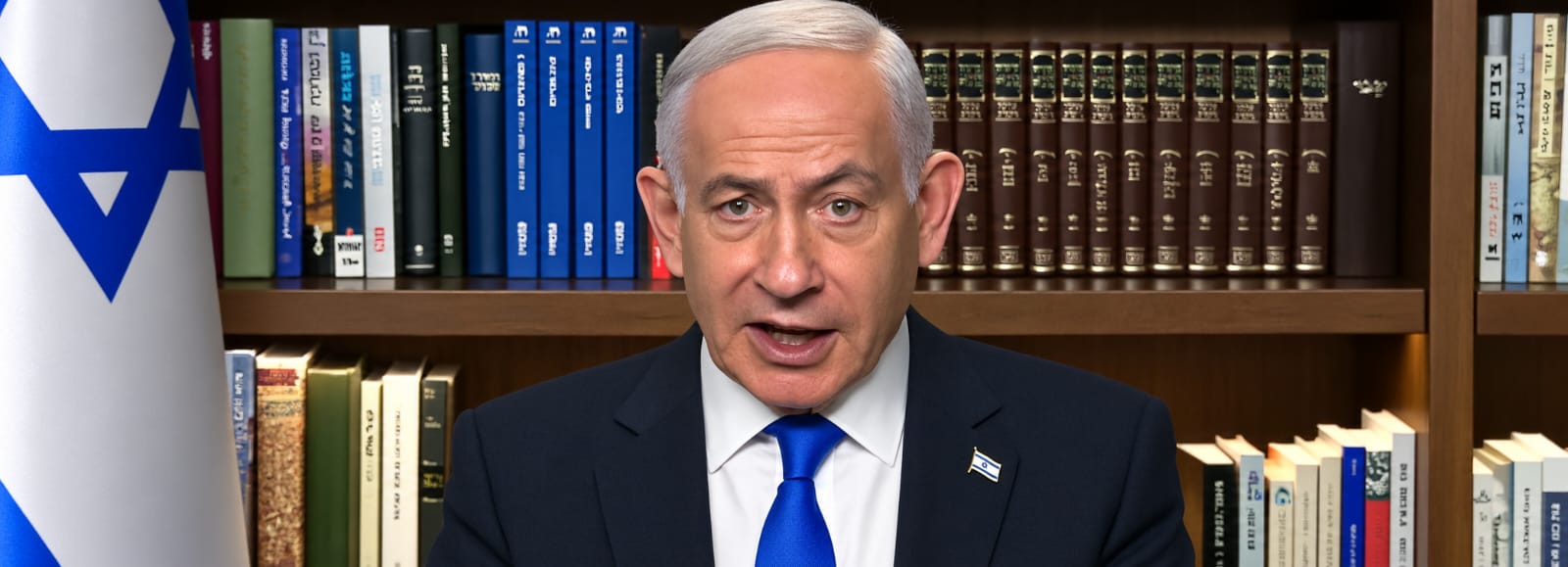
Although Hamas has accepted the plan, Israel has not yet officially responded. Israeli officials have previously expressed concerns about withdrawing from Gaza before Hamas is fully disarmed. Some reports suggest that Israel believes parts of the current proposal do not fully meet its security requirements.
US officials, however, said they remain confident that Israel will eventually support the agreement because it builds on an earlier peace framework that Israel had already accepted. They also said President Trump would be "very disappointed" if Israel refuses to withdraw after Hamas fulfills its obligations.
The agreement also includes an independent verification committee that will monitor every stage of the process. This committee will inspect progress, verify compliance, and report whether both sides are meeting their commitments before allowing the next phase to begin.
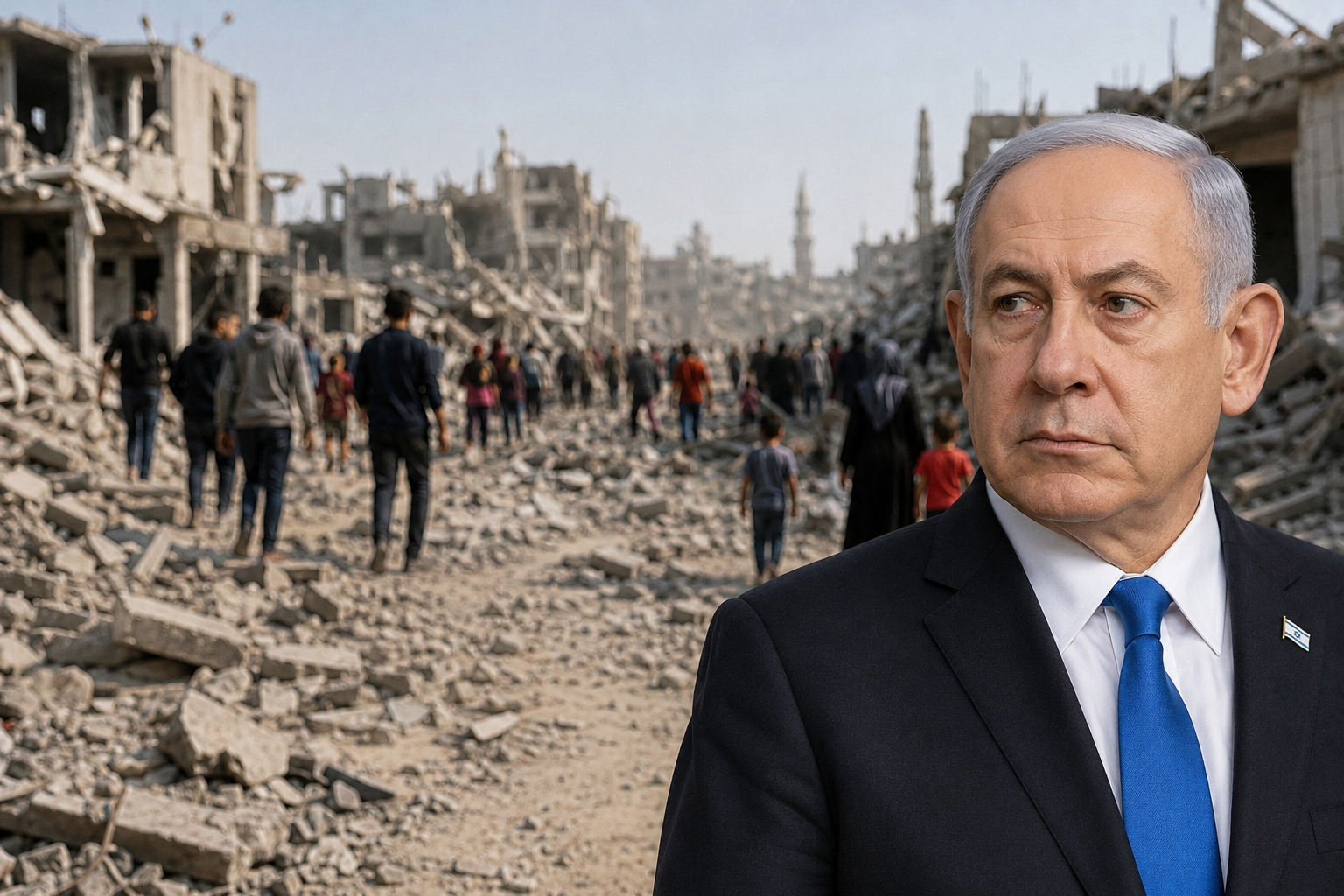
Despite the announcement, many people in Gaza remain cautious. Years of failed ceasefires and broken agreements have left many residents doubtful that this plan will succeed. Many Palestinians say they are less concerned about political announcements and more focused on whether the agreement will actually stop the fighting, allow displaced families to return home, and improve daily life.
The humanitarian situation in Gaza remains extremely difficult. Large parts of the territory have been destroyed, many families have lost their homes, and rebuilding will require significant international support. If the agreement succeeds, reconstruction and humanitarian aid are expected to become major priorities.
Diplomats involved in the negotiations described the agreement as a historic breakthrough. They believe that if both Hamas and Israel fully implement the plan, it could open the door to a lasting political solution after nearly three years of conflict.
However, many important questions still remain unanswered. It is not yet clear exactly how Israeli forces would withdraw, who would control different areas during the transition, or how long the complete disarmament process would take. Officials acknowledge that dismantling Hamas's military infrastructure, including tunnels and weapons production facilities, could take a considerable amount of time.
The coming days will be critical as the world waits for Israel's official response. If both sides move forward with the agreement, it could mark the beginning of a new chapter for Gaza. If disagreements emerge during implementation, the process could face delays or even collapse.
For now, the agreement represents one of the strongest diplomatic efforts in recent years to end the conflict. Whether it leads to lasting peace will depend on successful implementation, independent verification, continued international support, and the willingness of all parties to honor their commitments.
Summary
Hamas has agreed to a new US-backed peace plan that includes the complete disarmament of the group in Gaza, according to a senior Hamas official. US President Donald Trump announced the agreement, saying Israeli forces would withdraw from Gaza as the disarmament process moves forward. The plan, supported by mediators from Egypt, Qatar, and Turkey, also proposes a new Palestinian transitional authority and an international force to help maintain security. Israel has not yet officially accepted the agreement.
Content
×
![]()