
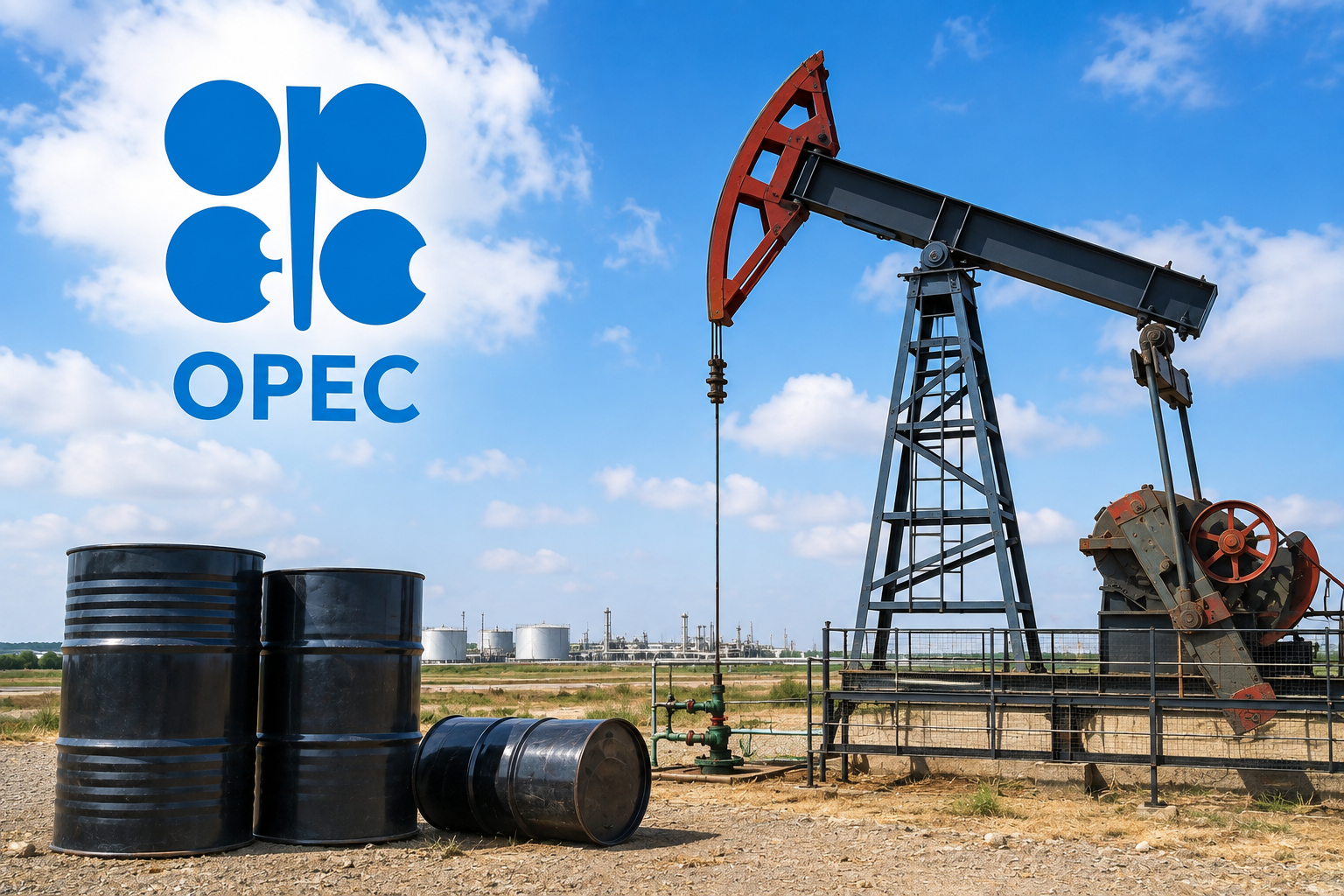
The OPEC+ alliance has announced that seven of its member countries will increase oil production by about 188,000 barrels per day (bpd) starting in September. The decision is part of the group's plan to slowly bring back oil supplies that were reduced over the past few years. OPEC+ said this move is meant to help keep the global oil market stable and ensure there is enough oil available as demand changes.
The countries taking part in this increase are Saudi Arabia, Russia, Iraq, Kuwait, Kazakhstan, Algeria, and Oman. In a joint statement, they said they remain committed to working together to support a balanced and stable oil market. According to the group, the production increase is carefully planned so that it does not create unnecessary pressure on oil prices.
This latest increase completes the gradual reversal of a 1.65 million barrels per day voluntary production cut that these countries agreed to in 2023. At that time, OPEC+ decided to reduce oil production to help support prices during a period of weaker demand and economic uncertainty. Since then, the group has been slowly bringing those supplies back to the market in small steps.
The 2023 agreement originally included the United Arab Emirates (UAE) as part of the production cuts. However, the UAE left OPEC in May, so it is no longer part of this latest decision. Even without the UAE, the remaining countries continued with the plan to gradually restore production.
OPEC+ is a group made up of members of the Organization of the Petroleum Exporting Countries (OPEC) along with several other major oil-producing nations, including Russia. Together, these countries produce a large share of the world's oil, meaning their production decisions can have a major impact on global oil prices.
Oil prices often rise when production is reduced because there is less supply available. On the other hand, prices can fall when more oil enters the market. Because of this, investors, businesses, and governments closely watch every OPEC+ meeting and announcement.
Energy analyst Jorge Leon from Rystad Energy said the decision marks the end of the group's voluntary production cuts. He explained that the next challenge for OPEC+ will be dealing with any extra oil supply that could appear as exports return to normal levels. If too much oil reaches the market, prices could come under pressure.
However, Leon also noted that the latest decision may not have a big effect immediately. He said that shipping through the Strait of Hormuz, one of the world's most important oil transport routes, remains limited due to ongoing regional tensions. Because many oil exports pass through this narrow waterway, any disruption there can affect global oil supplies.
The Strait of Hormuz connects the Persian Gulf to the Gulf of Oman and the Arabian Sea. Around one-fifth of the world's oil supply passes through this route. If shipping in the area is slowed or disrupted, it can reduce the amount of oil reaching international markets, even if producers increase output.
Experts believe the full impact of OPEC+'s decision will only be seen once oil exports through the Strait of Hormuz return to normal. Until then, global oil supplies may remain tighter than expected, keeping prices supported despite the increase in production.
For consumers, changes in oil production can eventually affect the prices of petrol, diesel, transportation, and many everyday goods. Lower oil prices can help reduce fuel costs and inflation, while higher prices can increase the cost of living and business operations.
Overall, OPEC+ says the September production increase is part of its long-term strategy to balance supply and demand in the global oil market. The alliance will continue to monitor economic conditions, global demand, and geopolitical developments before making future production decisions. Markets around the world will now watch closely to see how the additional oil supply and developments in the Strait of Hormuz influence oil prices in the coming months.
Summary
OPEC+ has announced that seven member countries will increase oil production by about 188,000 barrels per day starting in September. The group says the move is aimed at keeping the global oil market stable and completes the gradual return of oil supplies that were cut in 2023.
Content


×
![]()