
Spain has introduced temporary border checks on travelers arriving from Italy as tensions between Spain and Italy grow over a major migrant crisis in Ceuta.
The new Spanish measures began at midnight and are expected to remain in place for one month. They will affect people traveling to Spain by air and sea from Italy. Spanish authorities will check passports, nationalities and visas as part of the new controls.
The decision comes after Italy introduced similar restrictions on people arriving from Spain. Italy says the checks are necessary because of concerns that migrants who recently entered the Spanish territory of Ceuta could travel onward to Italy.
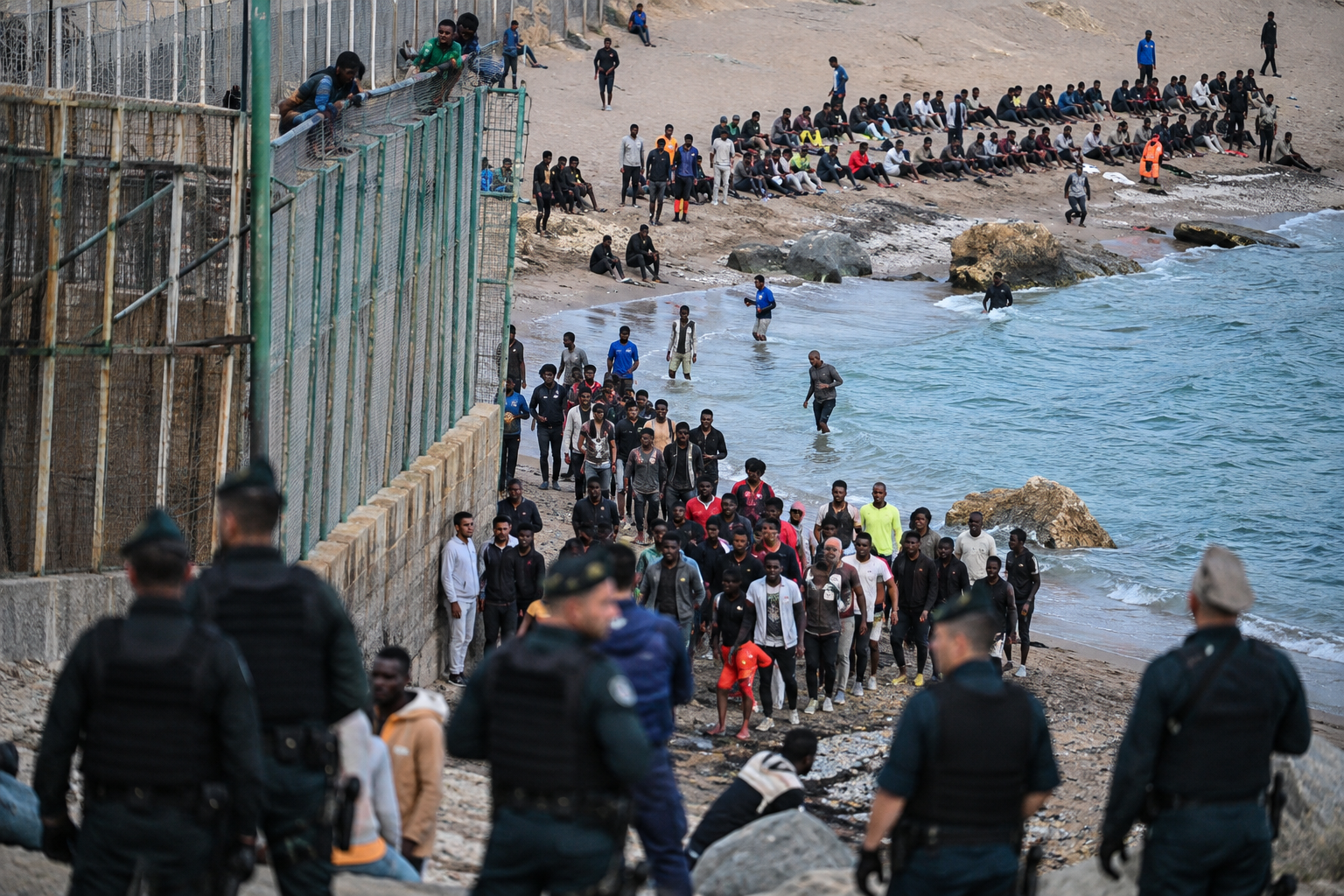
The disagreement is connected to a large migrant influx into Ceuta, a Spanish territory located on the North African coast and surrounded by Morocco. Around 78,000 migrants from Morocco reportedly entered Ceuta during a major crossing attempt last week.
Many of those migrants were later returned to Morocco. However, around 1,400 children and teenagers remain in Ceuta, according to Spanish authorities.
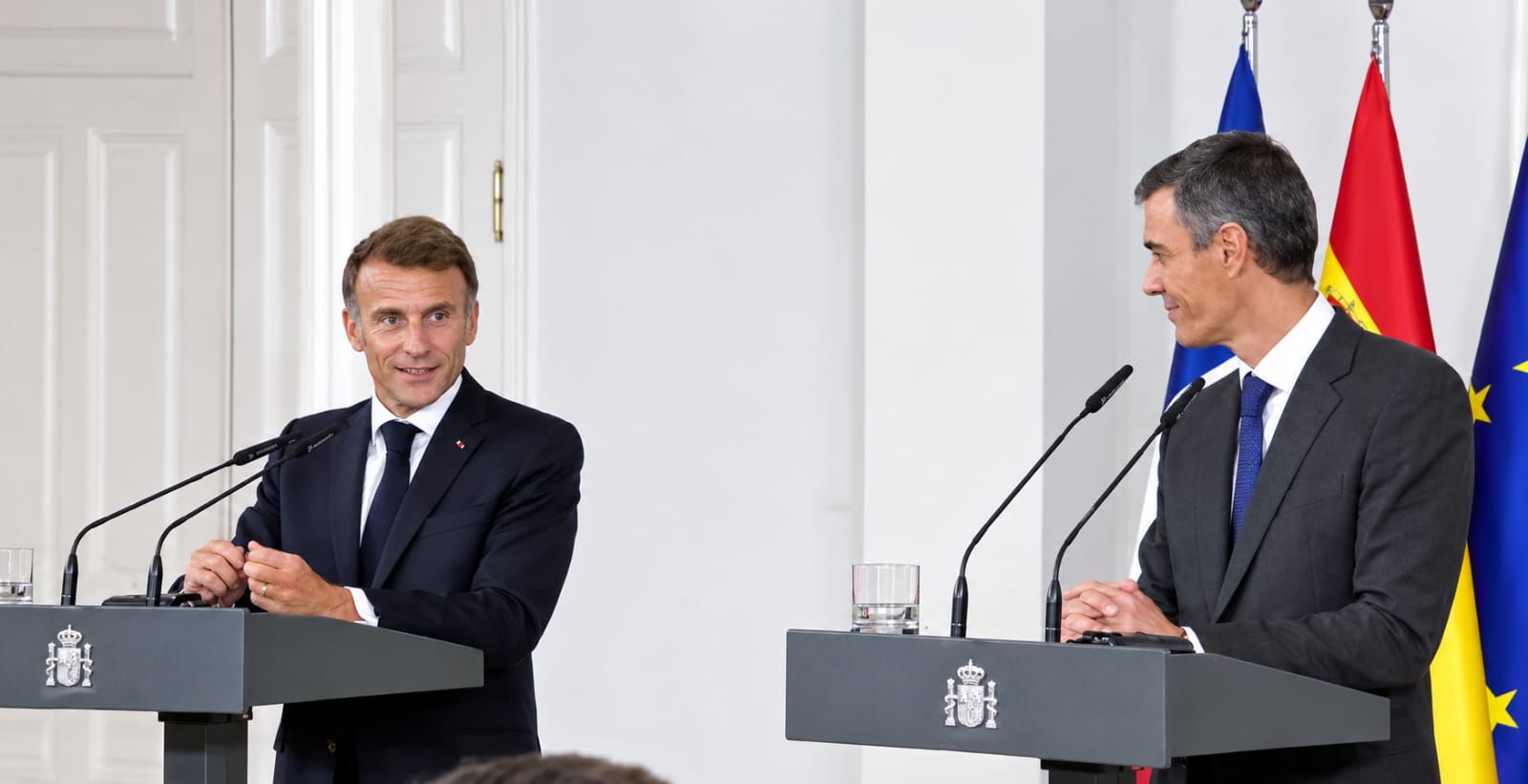
The situation has created a political dispute between Spanish Prime Minister Pedro Sanchez and Italian Prime Minister Giorgia Meloni. Sanchez leads Spain's socialist government, while Meloni heads Italy's conservative government and has frequently pushed for tougher European migration policies.
Spain has strongly criticized Italy's decision to introduce border checks. Madrid argues that the Italian restrictions are not based on a real migration threat because migrants who entered Ceuta cannot simply move directly into the Schengen area.
The Schengen Area allows people to travel between many European countries without routine passport checks at internal borders. Spain and Italy are both members of this system.
Italy, however, has rejected Spain's criticism. The Italian government said it would not accept what it described as an ultimatum from Madrid. Rome said its additional checks would remain in place until at least 15 August and possibly longer if security concerns continue.
Italian authorities have also said that Spanish citizens are not subject to the additional checks. The extra controls mainly affect people from outside the European Union who arrive in Italy from Spain.
Despite these assurances, reports say some airports have experienced long lines and delays. Passengers arriving from Spain have reportedly been directed to special areas where additional checks are carried out.
Spain's government said its own measures would remain in place until 7 September, unless the situation changes enough to justify ending or changing the restrictions earlier.
The dispute is unusual because Spain and Italy do not share a land border. Italy says it is worried that migrants who entered Spain's Ceuta territory could eventually move through Europe and reach Italy.
Spain believes this argument is weak and has rejected Italy's reasoning.
The wider crisis began when thousands of people attempted to reach Ceuta from Morocco. Large groups were seen swimming toward the Spanish territory and gathering near its border.
The scale of the crossings has raised questions about how so many people were able to reach the territory at the same time. It has also created political tensions between Spain and Morocco.
Morocco does not recognize Spain's sovereignty over Ceuta and another Spanish territory, Melilla. Both territories are located on the North African coast and have long been sensitive issues between the two countries.
There are also disagreements about why the mass crossings happened. EU officials and Spanish authorities have suggested that criminal networks may have spread false information online and encouraged people to attempt the journey.
Social media reports have also raised fears that another large group could try to enter Ceuta. Some Moroccan social media users have reportedly discussed another attempt.
However, Spain's government says it is monitoring the situation and does not currently expect another crossing on the same scale.
The crisis has also been affected by a recent Spanish Supreme Court decision. The court ruled that migrants stopped at sea while trying to reach Ceuta or Melilla cannot simply be returned to Morocco without proper procedures.
Morocco has criticized the ruling and argued that it weakened the system used to discourage people from attempting to cross into the territories.
The situation remains difficult for Spain, which must manage the migrants who remain in Ceuta while also dealing with pressure from other European countries.
Italy's decision to impose checks has added another layer to the crisis. Instead of working together smoothly, Spain and Italy are now taking measures against travelers from each other's countries.
Other European countries have also taken different positions on the issue. Italy's decision to temporarily suspend parts of the normal Schengen arrangements has received support from countries including Finland and Denmark. The Czech Republic has also called for tougher action against Spain over the issue.
For now, Spain and Italy remain divided over how to handle the migration situation. Spain says the Italian checks are unnecessary, while Italy says they are needed to protect its security.
The dispute highlights the wider challenge facing the European Union as member states try to balance free movement within Europe with concerns about illegal migration, border security and public safety.
Summary
Spain has introduced temporary border checks on travelers arriving from Italy, increasing tensions between the two EU countries. The move comes after Italy imposed similar checks on people arriving from Spain following the arrival of around 78,000 migrants from Morocco into Spain’s North African territory of Ceuta. Spain says the Italian restrictions have no clear basis, while Italy says they are needed to protect security and prevent migrants from reaching other European countries.
Content

×
![]()