
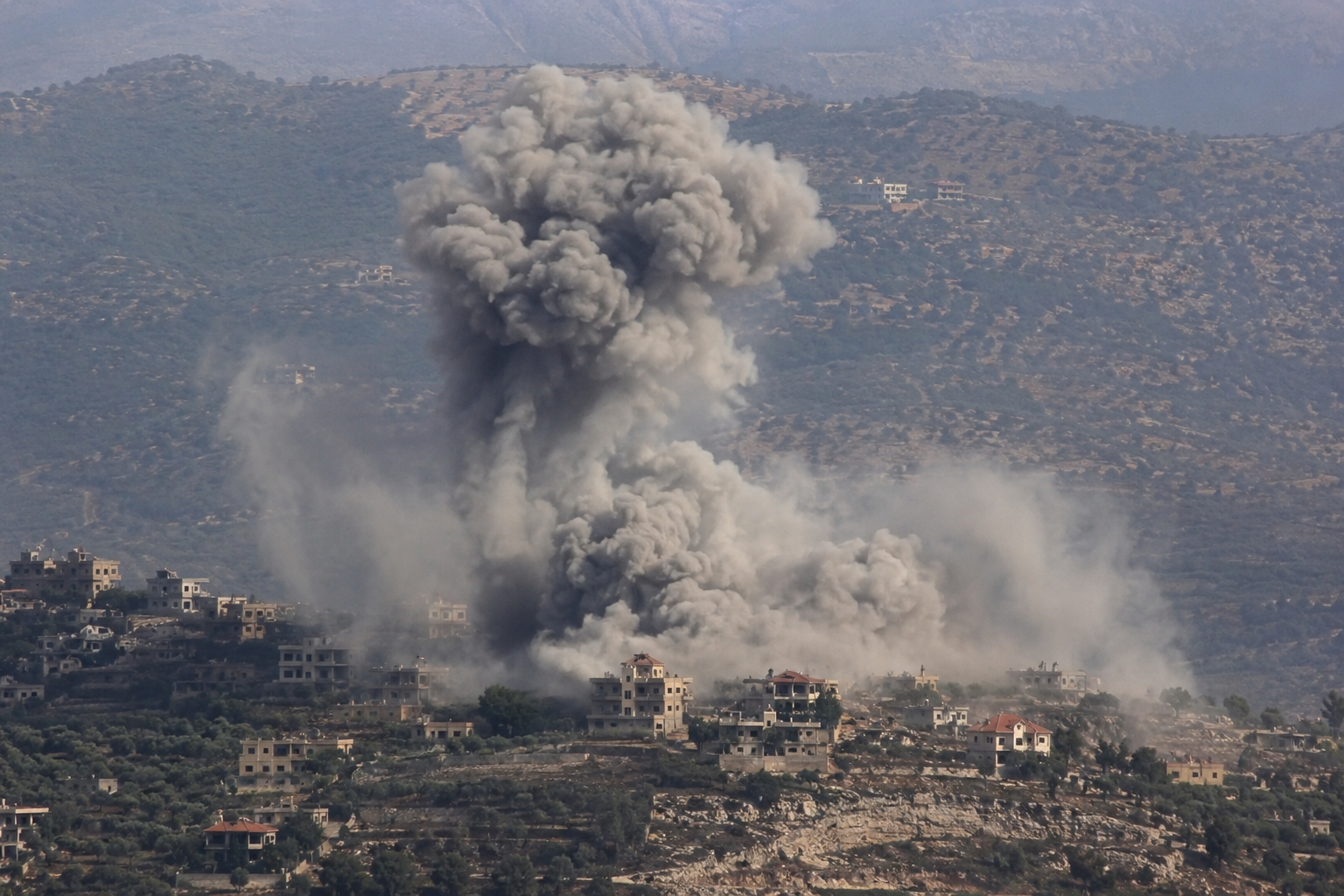
Civilians in southern Lebanon are facing increasing danger as Israeli military activity in the region has intensified, according to the United Nations peacekeeping force.
The United Nations Interim Force in Lebanon, known as UNIFIL, said that violence has increased significantly during the past two weeks. Between August 5 and August 16, UNIFIL recorded an average of 137 projectiles being fired every day in the region.
The situation became even more intense over the weekend. UNIFIL reported that 208 projectiles were recorded on Saturday and 185 on Sunday. The increase has raised concerns about the safety of people living in southern Lebanon.
UNIFIL warned that ordinary people are suffering the most from the growing violence.
“As tensions rise, civilians are once again paying the highest price,” the UN peacekeeping force said. Many families have been forced to leave their homes, while others have had to change their normal daily activities because they are worried about further attacks.
The latest escalation is happening despite a ceasefire agreement between Lebanon and Israel that was renewed on June 26. The agreement was supported by the United States and was connected to plans for the disarmament of Hezbollah, the armed group based in Lebanon.
However, the agreement has not ended the conflict.
One of the biggest disagreements is the presence of Israeli forces in parts of southern Lebanon. Hezbollah has rejected the agreement and said it will not accept the deal unless Israel withdraws from Lebanese territory.
Under the framework of the agreement, Israel was expected to withdraw from large parts of southern Lebanon after Hezbollah's disarmament. The Lebanese army was then expected to take responsibility for security in areas close to the Israeli border.
That process has not taken place as planned. Lebanese and Israeli officials have continued negotiations, with another round of talks held earlier this month.
The continued fighting has also raised questions about the future of UNIFIL.
UNIFIL has been operating in southern Lebanon for many years and has been carrying out patrols, monitoring military activity and helping reduce risks to civilians. Its peacekeepers also work to remove dangerous obstacles from roads, reduce the risks from explosives and help humanitarian organizations reach people who need assistance.
The UN says Security Council Resolution 1701 remains the main framework for bringing stability to southern Lebanon. The resolution was adopted in 2006 after a major conflict between Israel and Hezbollah.
It calls for an end to hostilities and supports the deployment of the Lebanese army and UNIFIL in southern Lebanon.
Lebanon's President Joseph Aoun has supported extending UNIFIL's mandate. He has called for a solution that would allow international peacekeepers to continue operating in the region.
However, UNIFIL's current mandate is expected to expire at the end of 2026. There is now an international debate about whether the mission should continue and what its future role should be.
The Lebanese government has strongly supported keeping UNIFIL in the south, arguing that the international force is important for maintaining stability and protecting civilians.
The human cost of the latest violence has been serious. According to the figures reported in the article, the death toll from repeated Israeli attacks on southern Lebanon since March 2 had reached 4,346 people, after 11 people were killed in two separate Israeli air raids on Saturday.
The continuing attacks have created fear among communities across southern Lebanon. Families are concerned about their safety, while damage to homes and infrastructure can make everyday life even more difficult.
The escalation also creates a wider risk because southern Lebanon has already experienced years of conflict between Israel and Hezbollah. Any major increase in fighting could make it harder for the two sides to reach a lasting agreement.
UNIFIL continues to call for restraint and stability. Its presence is intended to help reduce tensions, support the Lebanese government and army, and provide assistance to civilians affected by the conflict.
For people living in southern Lebanon, however, the immediate concern is safety. As attacks continue and negotiations remain unresolved, many civilians remain caught between military operations and political disagreements.
The UN's warning highlights the main concern: while Israel, Lebanon and Hezbollah continue to disagree over security, territory and disarmament, ordinary civilians are the ones facing the greatest consequences of the violence.
Summary
The UN peacekeeping force in Lebanon says Israeli military activity in southern Lebanon has increased sharply in recent weeks. UNIFIL recorded an average of 137 projectiles being fired each day between August 5 and 16. The growing violence is forcing civilians to leave their homes and change their daily lives because of fear and insecurity. The escalation continues despite a ceasefire agreement between Israel and Lebanon. The UN is calling for stability and says its peacekeeping mission remains important for protecting civilians and supporting humanitarian work.
Content
×
![]()