
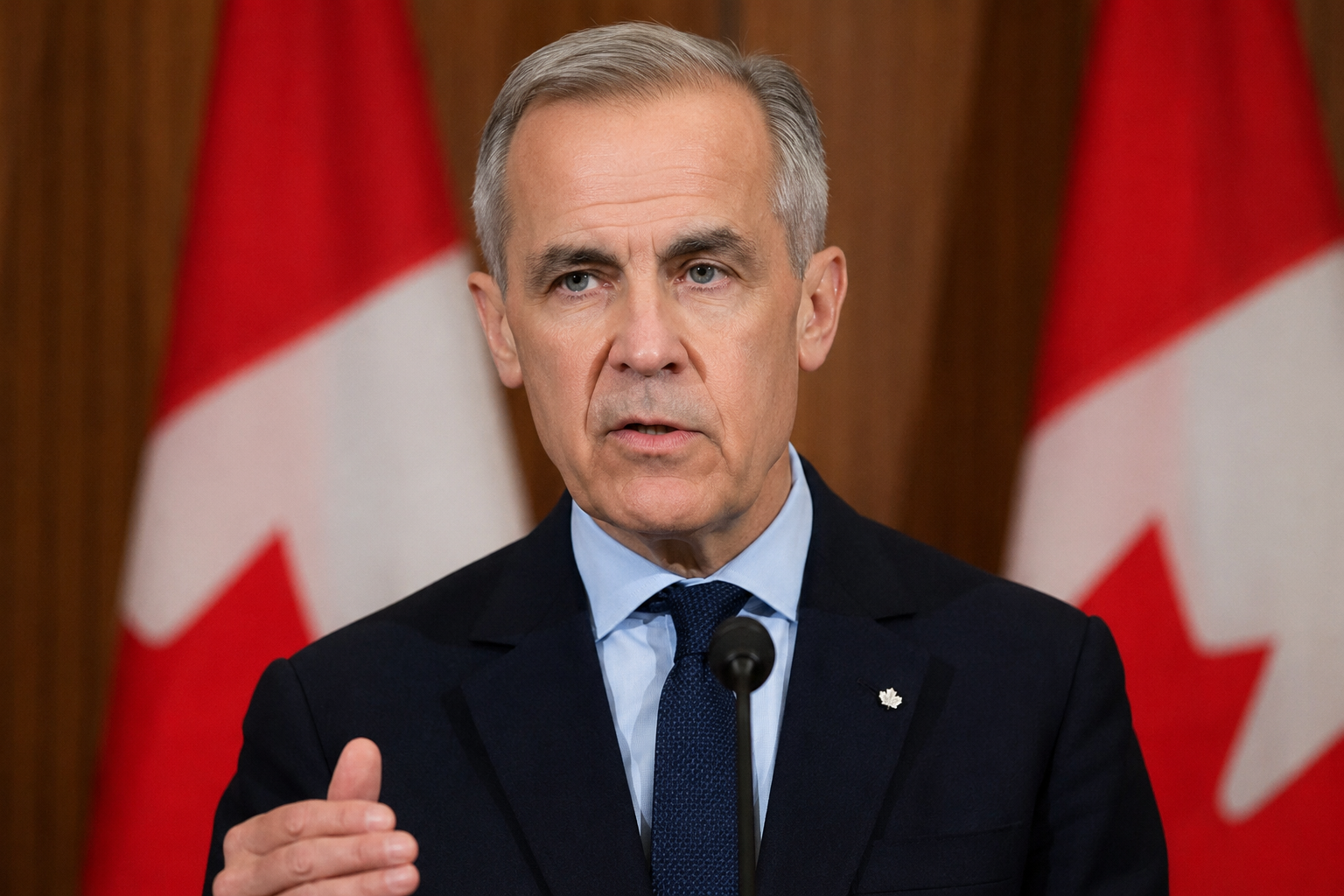
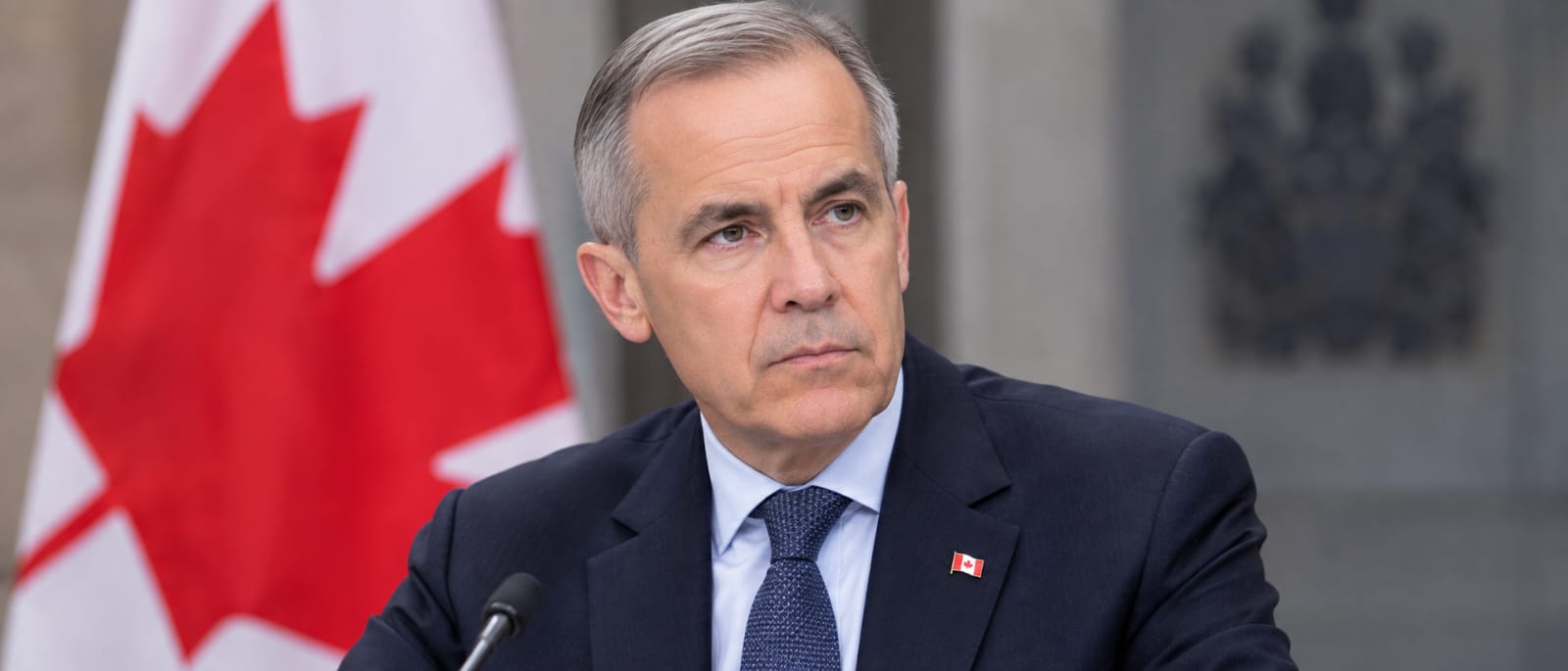
Canada and the United States are facing a new trade dispute after negotiations between the two countries broke down at the last minute. Canadian Prime Minister Mark Carney announced that Canada has suspended trade talks with the US and will respond to new American tariffs by imposing matching tariffs on US goods.
Carney said Canada would respond “dollar for dollar,” meaning that if the United States puts a certain amount of tariffs on Canadian products, Canada will try to impose a similar value of tariffs on American products.
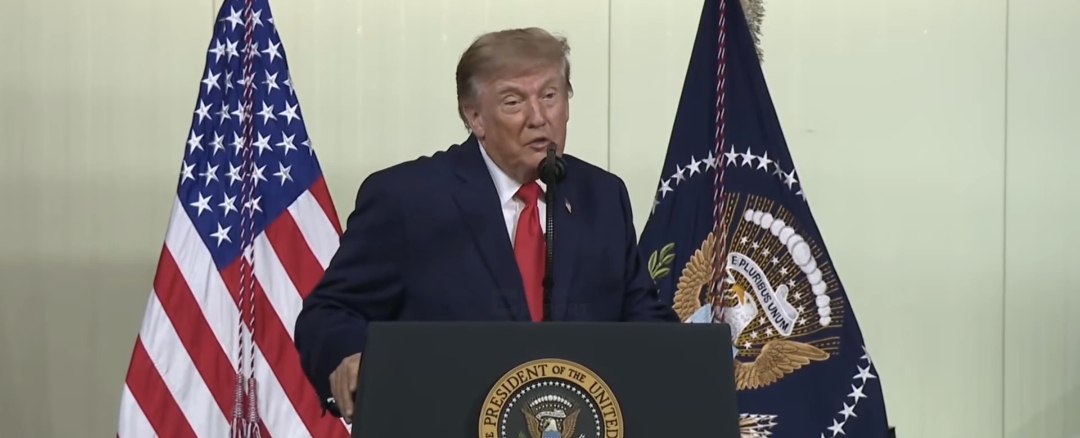
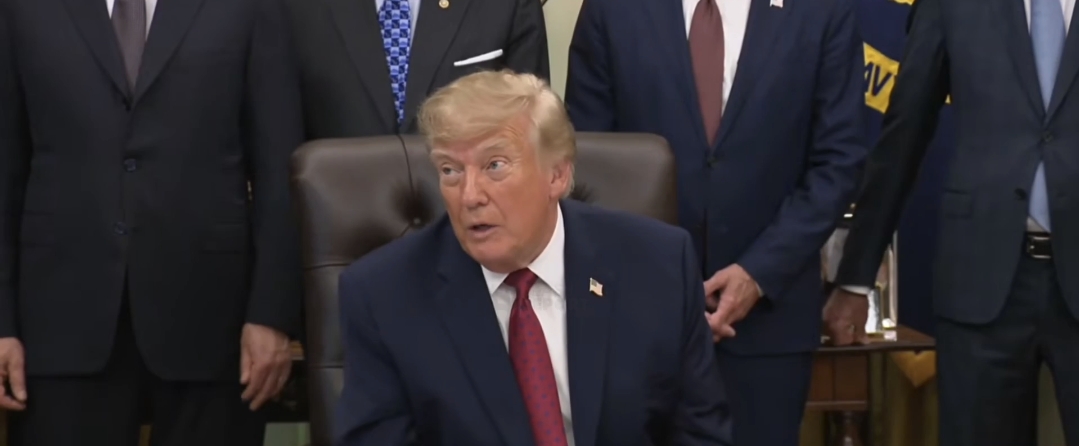
The decision came after several weeks of intense negotiations. Officials from both countries had been trying to reach a new trade agreement and reduce existing tariffs. Earlier in the week, there were signs that a deal was close. President Donald Trump had even said that the two countries were near an agreement that would be good for both sides.
However, the negotiations collapsed shortly before the deadline. Carney said that Canada had made important progress but that the proposed agreement did not meet Canada's main goals. He also criticised last-minute changes made to the proposed US terms, describing them as unfair and uneconomic.
Following the breakdown of talks, fresh US tariffs came into effect on a wide range of Canadian products. According to the report, the United States is imposing tariffs of up to 50% on some Canadian imports under the Tariff Act of 1930, an old US trade law.
The affected products include items such as wine, dairy products, cement, clothing and hockey equipment. These new tariffs are in addition to existing US tariffs on major Canadian industries, including steel, aluminium, automobiles and lumber.
Canada is now preparing its response. Carney has ordered Canadian trade negotiators to return to Ottawa after the talks with Washington were suspended. Ontario Premier Doug Ford also supported the prime minister's position, saying Canada should respond strongly with “tariff for tariff, dollar for dollar.”
The United States, however, blamed Canada for the collapse of the negotiations. US Trade Representative Jamieson Greer said Canada had refused to finalise a deal based on terms that had been agreed earlier. He accused Canada of making new demands and stepping back from previous commitments.
Before the talks collapsed, negotiators were reportedly discussing possible reductions in some important US tariffs. For example, tariffs on Canadian steel and aluminium could have been reduced from 50% to 25%, while tariffs on Canadian automobiles could have fallen from 25% to 15%.
In return, the United States wanted several concessions from Canada. These reportedly included removing Canadian retaliatory tariffs on American automobiles, changing dairy rules to allow more US cheese into Canada and restoring American alcohol products to store shelves in Canadian provinces.
The trade dispute has been growing since Trump returned to office and introduced a wider programme of tariffs against several countries. Canada and the United States have historically had one of the world's closest and largest trading relationships, with huge amounts of goods crossing the border every day.
Businesses on both sides are worried that the new tariffs could hurt both economies. Higher tariffs can increase the cost of imported products, disrupt supply chains and force companies to pay more for materials and goods. Those higher costs can eventually be passed on to ordinary consumers through higher prices.
The US Chamber of Commerce has also warned that increased tariffs could damage both countries and put jobs connected to North American trade at risk.
Public opinion in Canada appears divided. Some Canadians support a strong response against US tariffs, while others believe the government should continue negotiations and try to reach a deal.
For now, relations between the two major trading partners have become more tense. Canada has made clear that it will not simply accept the new US tariffs without responding. But a “dollar for dollar” tariff battle could create even greater economic pressure on businesses and consumers in both countries.
The biggest question now is whether Canada and the United States will return to the negotiating table or whether the trade dispute will continue to grow in the coming weeks.
Summary
Canada has suspended trade talks with the United States after last-minute negotiations failed to produce a deal. Prime Minister Mark Carney said new US demands were unfair and could not be accepted. In response to fresh US tariffs on Canadian goods, Canada plans to impose matching tariffs on American products “dollar for dollar.” The dispute could increase prices, hurt businesses and further damage trade relations between the two neighbouring countries.
Content
×
![]()