
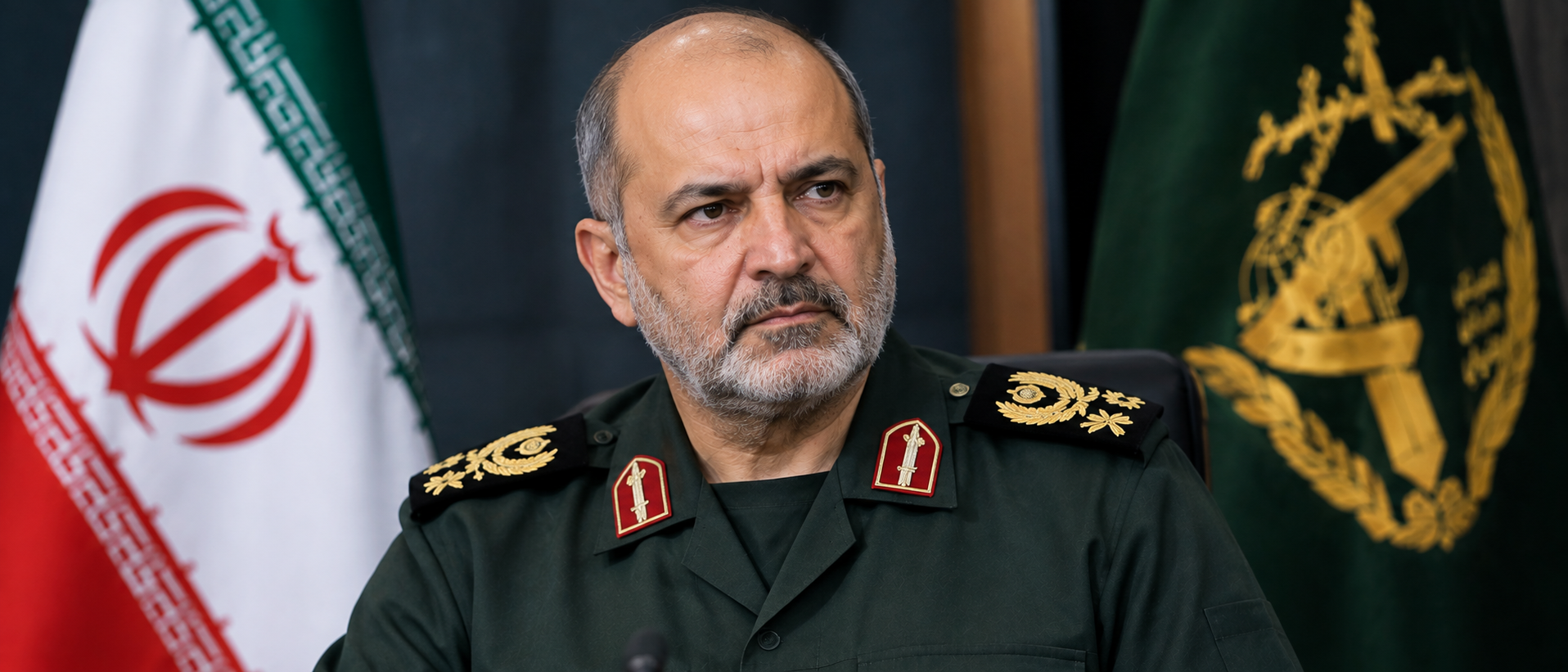
Iran has issued a stronger warning to commercial vessels using the Strait of Hormuz, saying ships that fail to follow its transit procedures could face serious consequences, including being blocked from future passage, fined, detained, seized or having their cargo confiscated.
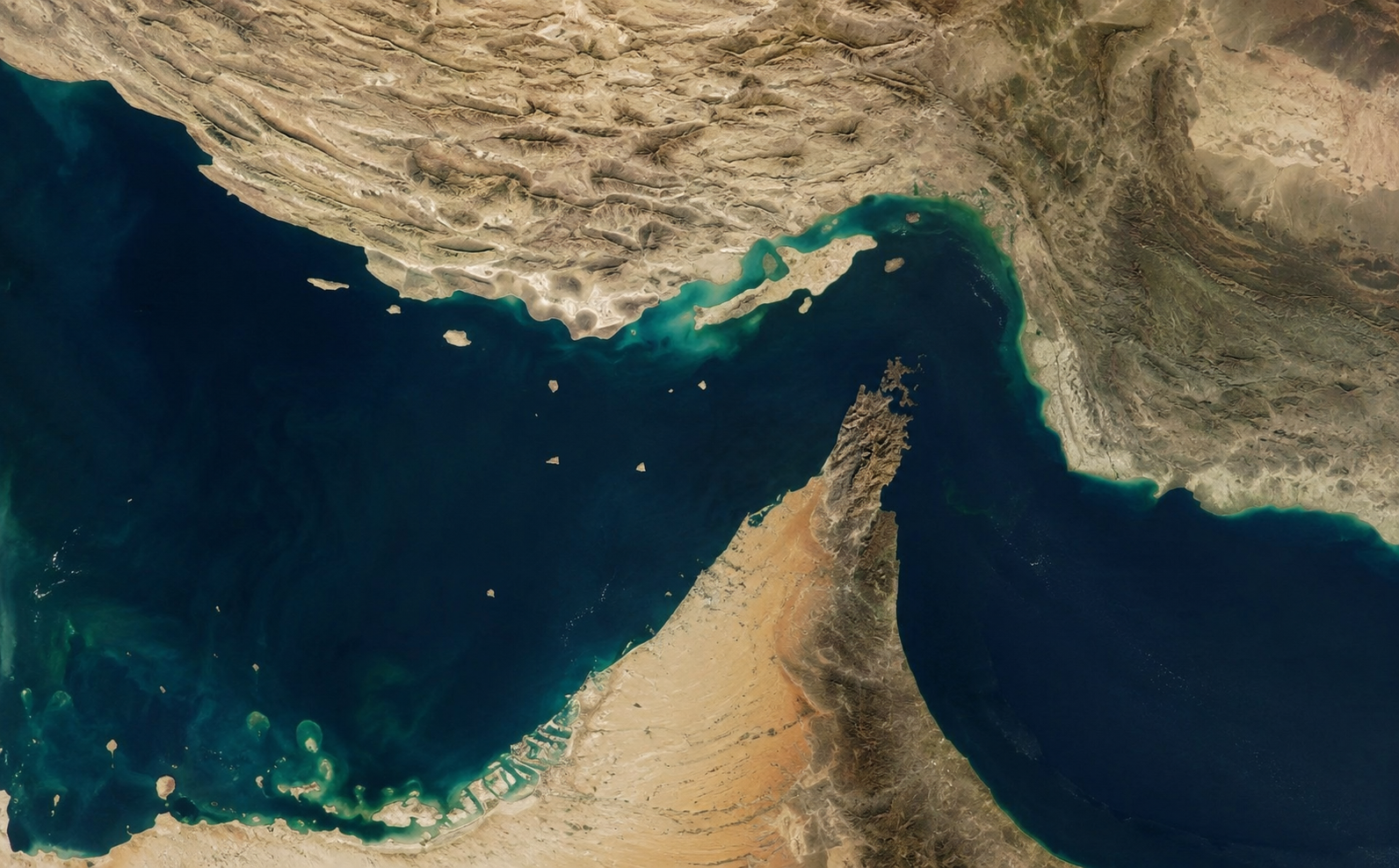
The Strait of Hormuz is one of the world's most important shipping routes. It connects the Persian Gulf with the Gulf of Oman and is a major route for oil and gas shipments. Any disruption can quickly affect global energy markets and shipping costs.
Under the current arrangements, vessels seeking to pass through the strait are expected to provide information about their ship, cargo and destination and coordinate their transit with Iranian authorities. Iran has also introduced procedures involving designated routes, schedules and instructions for vessels.
Iran says these measures are necessary because of security and navigation risks in the area. Authorities have argued that controlling the movement of ships can help prevent accidents and make passage safer.
However, the measures have created an international dispute. The European Union has said that Iran's restrictions on commercial vessels interfere with established rights of transit and freedom of navigation. The EU has also criticized Iran's use of a system requiring vessels to provide information and, in some cases, pay transit fees before being allowed to pass.
The warning comes during a period of severe disruption in Hormuz. Shipping traffic has fallen sharply, with only a small number of commercial vessels recently reported passing through the strait. Iran has also allowed some Iraqi oil tankers to pass after Baghdad requested special permission.
There have also been reports of ships being detained over alleged violations of Iranian requirements. On August 17, Iranian media reported that an oil tanker had been detained over non-payment of transit fees, although the report could not immediately be independently verified.
The situation has increased concerns among shipping companies, governments and energy markets. The International Maritime Organization has previously warned about unsafe conditions in the area, including the risk of attacks, mines and vessels being seized or detained.
Iran's latest warning means shipping companies now face greater pressure to comply with Iranian instructions if they want to cross the strategically important waterway. At the same time, the dispute could further reduce traffic through Hormuz and add to uncertainty in global oil and gas markets.
Summary
Iran has warned that ships must follow its transit rules in the Strait of Hormuz or face penalties, including possible detention, seizure and restrictions on future passage. The move comes as shipping through the vital waterway remains heavily disrupted.
Content



×
![]()