
The United States has announced a major new economic campaign against Iran, imposing fresh sanctions and threatening to isolate governments, companies and other groups that continue to do business with the Iranian regime.
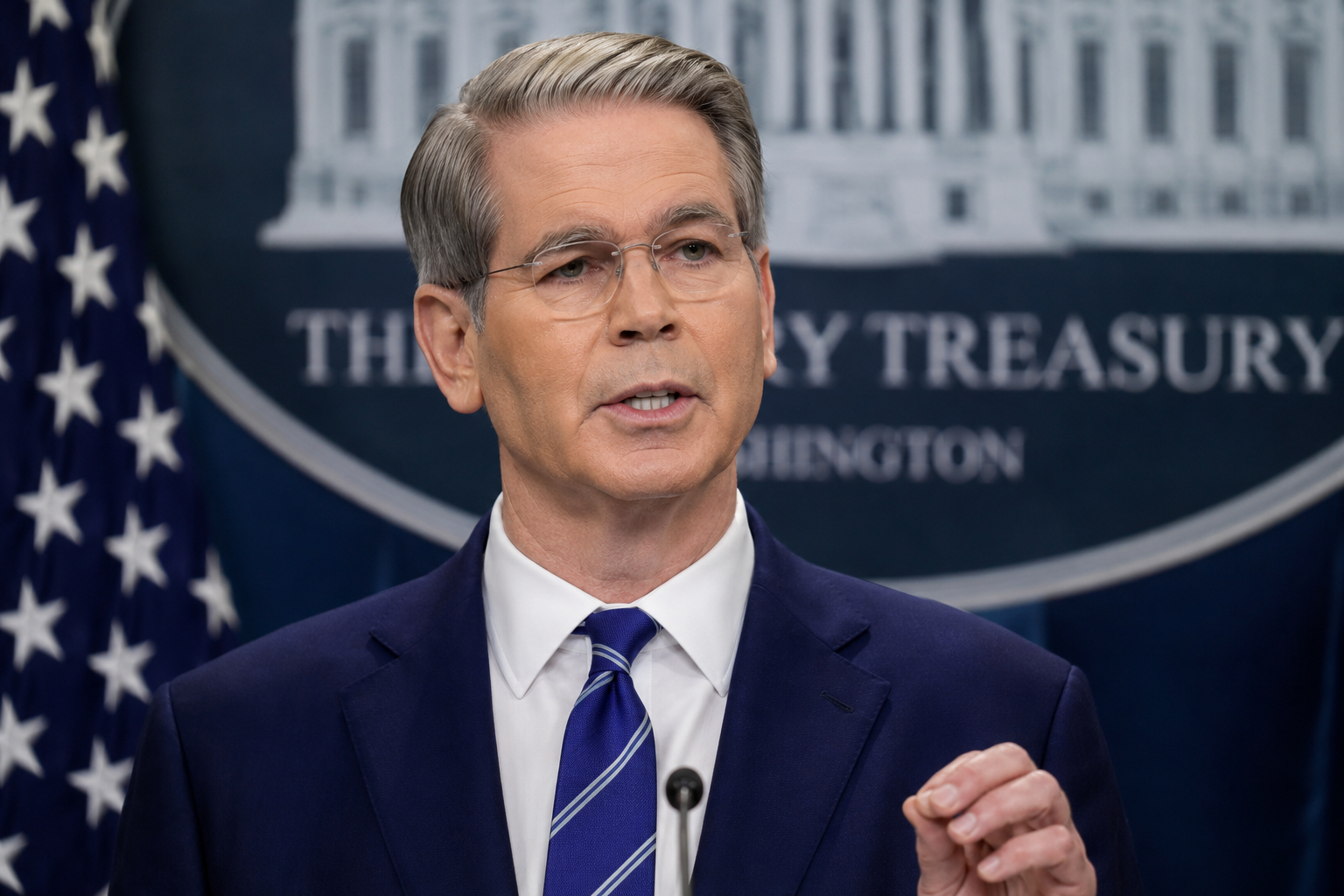
US Treasury Secretary Scott Bessent described the action as the “single greatest financial offensive ever” against Iran. He also called the campaign an “economic D-Day” and said Washington was no longer simply trying to manage the Iranian threat but was working to end it.
The new campaign has been described as Operation Economic Outcast. According to Bessent, the main goal is to cut off Iran from financial networks and block the money the government uses to support its activities.
The US Treasury Department says it has identified networks, companies, individuals and financial channels that Iran has allegedly used to avoid existing sanctions and continue trading, especially in oil.
Under the new measures, the US has targeted five important sectors: digital assets, technology, gold, aviation and shipping. Nearly 60 entities, individuals and vessels have also been hit with sanctions.
Bessent said the US wants to close every possible source of revenue for Iran's Islamic Revolutionary Guard Corps and the wider Iranian government. He warned that countries and businesses helping Iran could also face serious consequences.
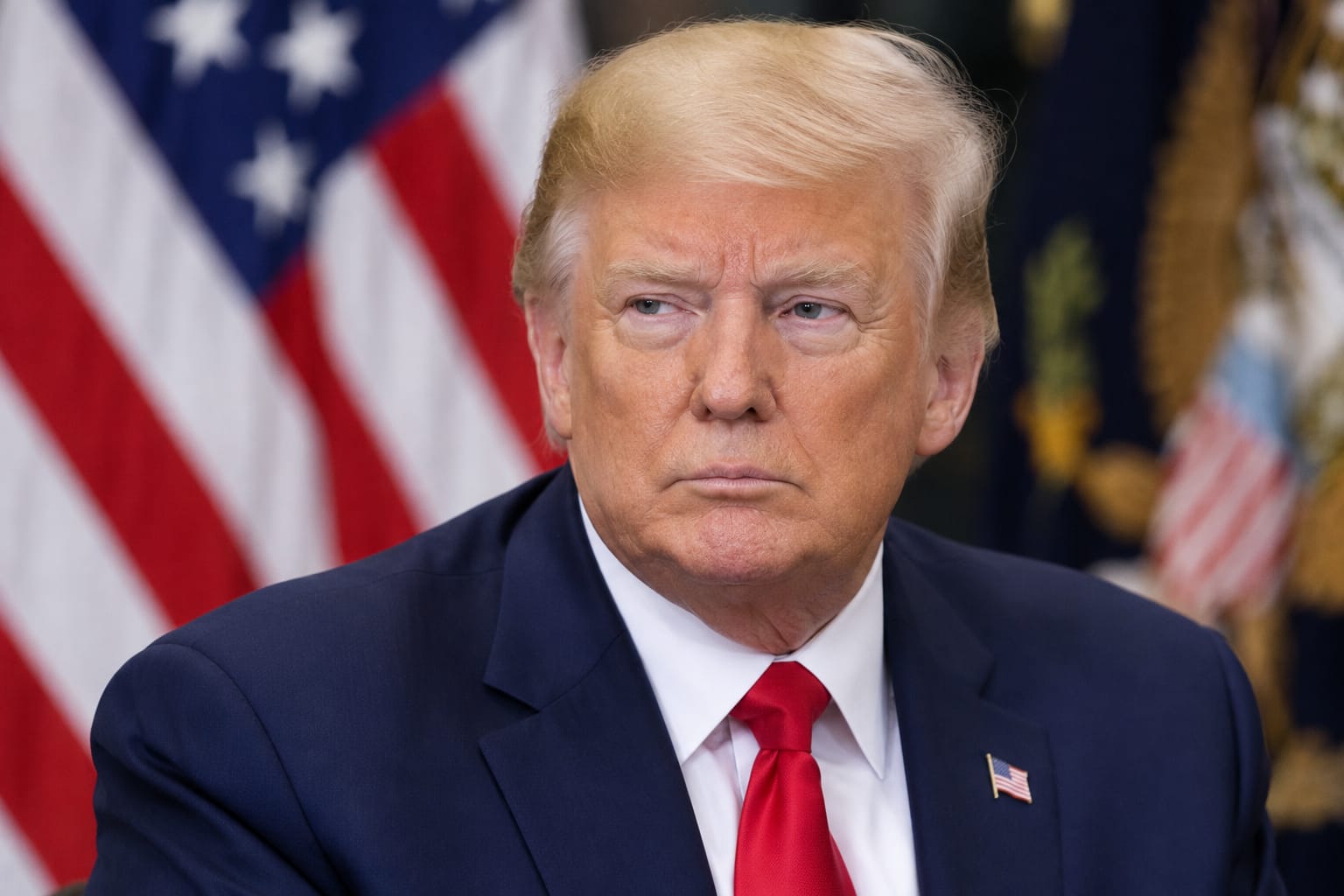
According to him, governments and companies can no longer claim they do not know they are helping Iran avoid sanctions. He said President Donald Trump would personally contact world leaders and make specific requests for them to stop their economic and financial dealings with Tehran.
Bessent did not publicly name the countries that could be affected. However, he warned that the US would move quickly and that Washington was serious about enforcing the new measures.
The US says Iran now has two choices. The first is increasing isolation from the global economy. The second, according to Washington, is changing its policies and finding a path back toward normal economic relations with other countries.
Iran has strongly reacted to the growing pressure. The Iranian government has warned that if the conflict continues, it could shut down oil exports from the region. Iran has also reportedly issued a new warning to ships passing through the Strait of Hormuz, saying they should not use the important waterway without its permission.
The Strait of Hormuz is one of the world's most important energy routes. Normally, around one-fifth of the world's oil and gas passes through this narrow waterway south of Iran. However, oil and gas flows through the region have been heavily affected since the conflict began at the end of February.
Any major disruption in the Strait of Hormuz can quickly affect global energy markets. With less oil reaching international markets, prices can rise. This can make petrol, diesel and other goods more expensive for ordinary people around the world.
The economic effects of the Iran conflict are already being felt. Higher oil prices have increased concerns about the cost of living in many countries. In the United States, gasoline prices have risen above $4 per gallon, adding pressure on American households ahead of the mid-term elections in November.
On Monday, Brent crude, one of the main global oil price benchmarks, was trading at around $92 per barrel.
However, some experts are questioning how effective the latest US sanctions will be.
David Oxley, chief climate and commodities economist at Capital Economics, said the direct impact of the new measures on Iranian oil revenues may be limited in the short term. He noted that Iran's oil exports were already facing heavy pressure from the renewed US naval blockade and earlier sanctions.
Another major challenge for Washington is China. Around 90% of Iran's oil is believed to go to China, and China has not always followed US sanctions against Iran in the past. Experts say Beijing may not be easily pressured into ending its economic relationship with Tehran.
This means the success of the new US campaign could depend heavily on whether other major countries decide to cooperate with Washington.
Iran has already lived under tough US sanctions for many years. In 2015, Iran reached a nuclear agreement with the United States and several other world powers. Under that deal, many sanctions were lifted in exchange for limits on Iran's nuclear programme.
But Trump withdrew the US from the agreement in 2018, calling it deeply flawed, and restored major sanctions against Iran. During Joe Biden's presidency, efforts were made to bring back the nuclear deal, but no agreement was reached.
Now, the Trump administration is taking even stronger economic action. Supporters of the new policy believe maximum financial pressure could force Iran to change its behaviour. Critics, however, warn that Iran has repeatedly found ways to survive sanctions and continue trading through alternative networks.
The coming weeks could therefore be important. If the US successfully convinces other countries to cut economic ties with Iran, Tehran could face much greater financial pressure. But if major trading partners continue to support Iran, the impact of the sanctions may be weaker than Washington hopes.
At the same time, any further escalation involving Iranian oil exports or the Strait of Hormuz could push global oil prices even higher, affecting businesses, governments and ordinary consumers worldwide.
Summary
The United States has announced a major new wave of sanctions against Iran, with Treasury Secretary Scott Bessent calling it the “single greatest financial offensive ever” against the Iranian government. The US says it will cut Iran off from more parts of the global economy and punish countries, companies and individuals that continue to financially support Tehran. Iran has responded with threats to block oil exports from the region and tighten control over shipping in the Strait of Hormuz. The move could increase pressure on Iran but may also lead to higher global oil prices and further economic problems around the world.
Content

×
![]()