
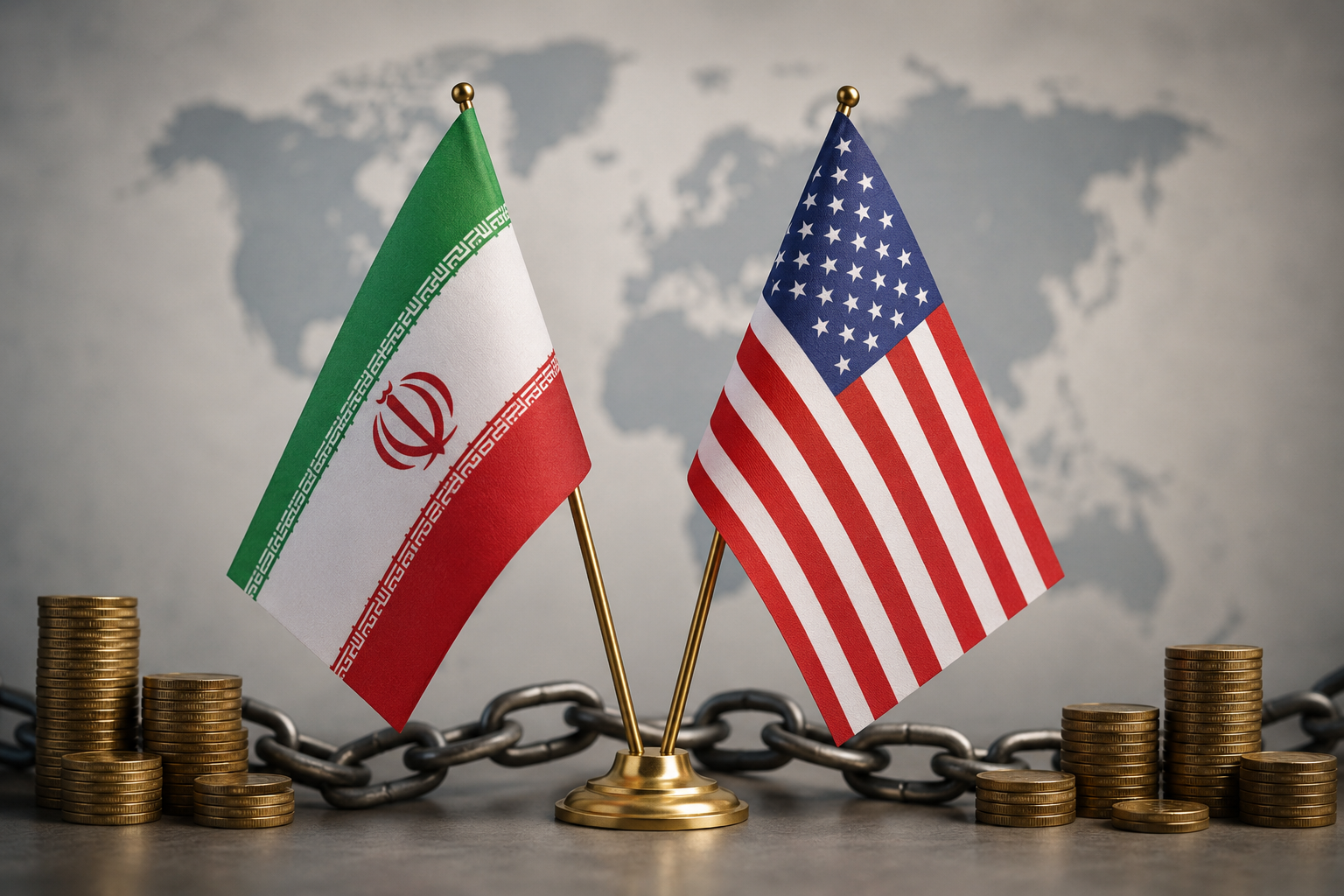
Iran has said it is fully prepared to counter a major expansion of US economic sanctions after Washington announced a new campaign aimed at isolating Tehran from the global economy.
Iranian Economy Minister Ali Madanizadeh said the country was ready for the new measures and predicted that the US campaign would eventually fail. He said the Iranian government had been preparing for such action and had developed a long-term plan to manage the economic pressure.
The US announced the measures as part of what officials described as a major financial offensive against Iran. US Treasury Secretary Scott Bessent called the campaign the “single greatest financial offensive ever” against the Iranian government. He said Washington wanted to cut Iran off from sources of revenue and increase pressure on countries, banks and companies that continue to do business with Tehran.
Bessent warned that nations and businesses financially supporting Iran could also face isolation if they refused to cut their ties. He said the US had identified international networks, financial channels and other systems that Iran allegedly uses to avoid existing sanctions and continue trading.
The US Treasury has targeted several sectors, including digital assets, technology, gold, aviation and shipping. It has also imposed sanctions on dozens of entities, individuals and vessels. Bessent said the US would move quickly and seriously against those helping Iran maintain its financial connections.
He also said President Donald Trump would contact world leaders directly and ask them to stop their economic and financial dealings with the Iranian government.
However, Iran remains confident that it can continue trading with important international partners. Madanizadeh said China and Russia had not accepted the new US measures and predicted that other countries would also resist Washington's pressure.
China, which is one of the biggest buyers of Iranian oil, strongly opposed the new sanctions. Beijing described them as illegal unilateral measures and said it would protect its own interests. China has continued trading with Iran despite previous US sanctions, raising questions about how effective the latest measures will be.
Some experts have also expressed doubts about whether the new sanctions will have an immediate major impact. Economist David Oxley of Capital Economics said the direct effect on Iran's energy revenues could be limited, especially because a large share of Iranian oil exports goes to China. If Iran's major trading partners continue buying its oil and other goods, Tehran may find ways to reduce the impact of the new restrictions.
The situation is also creating concerns for the global economy. The ongoing conflict has already pushed oil prices higher, increasing the cost of fuel and transport in many countries. Iran has warned that it could take stronger action against oil exports from the region if the conflict continues.
There are also growing concerns about the Strait of Hormuz, a strategically important waterway south of Iran. A significant share of the world's oil and gas normally passes through the strait. Any major disruption there could further increase global energy prices and affect economies around the world.
The latest US sanctions show that Washington is increasing its economic pressure on Iran instead of easing tensions. The US says Iran now faces a choice between greater international isolation and changing its policies to return to normal economic relations.
Iran, however, says it will not surrender to the pressure. Its leaders insist they have prepared for the sanctions and have their own economic and political tools to respond. The coming weeks will show whether major countries such as China and Russia continue to support trade with Iran or whether US pressure forces more governments and companies to cut ties.
The outcome could have major consequences not only for Iran and the United States, but also for global oil markets, international trade and the wider conflict in the Middle East.
Summary
Iran says it is fully prepared to deal with a major new wave of US economic sanctions announced by Washington. US Treasury Secretary Scott Bessent called the measures the “single greatest financial offensive ever” against Iran and warned countries, banks and companies to stop doing business with Tehran. However, Iran says it has a plan to manage the pressure and believes major partners such as China and Russia will continue to resist US demands. The new sanctions could increase tensions further and add to concerns about oil prices and global trade.
Content

×
![]()