
The Gaza Strip is facing a growing public health crisis as the rainy and colder months approach, according to the World Health Organization (WHO). The UN health agency says poor water quality, damaged infrastructure and rising cases of diarrhea could create even greater health problems if heavy winter rains cause flooding.
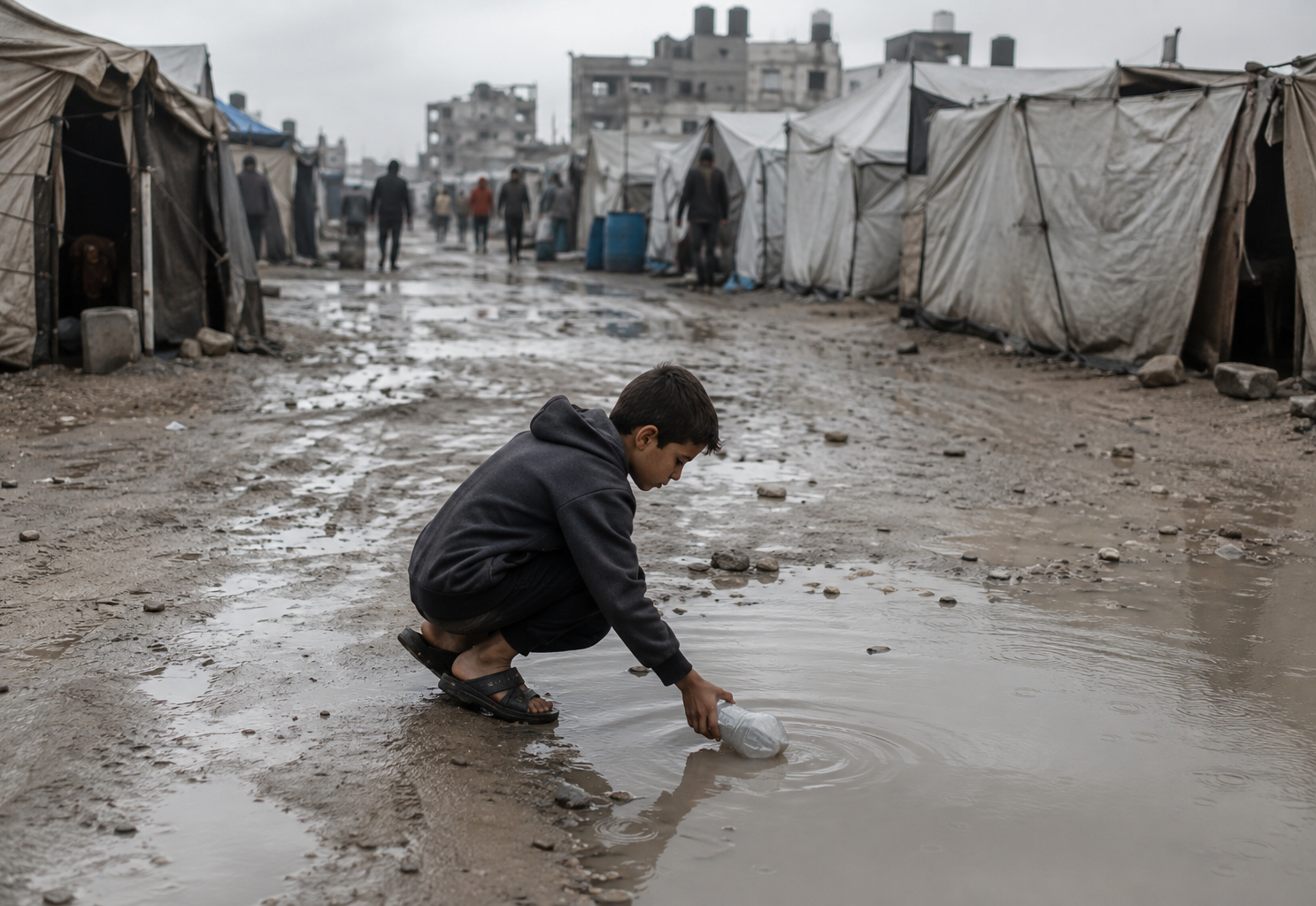
Many people in Gaza are already living in crowded shelters or damaged buildings. Large parts of the territory’s water, sewage and sanitation systems have been damaged during the conflict. This has made it difficult for people to access enough clean and safe water for drinking, cooking and washing.
The WHO is particularly concerned about the quality of available water. Reinhilde Van de Weerdt, the WHO representative in the Palestinian territories, said water contamination has become a major problem because people are not receiving enough safe water.
According to the WHO, around 6,700 water samples were tested during the first eight months of 2026. The results showed a major increase in microbiological contamination.
In January, less than 6 percent of tested samples showed this type of contamination. By August, the figure had increased to more than 18 percent. This means the level of contamination had almost tripled in just a few months.
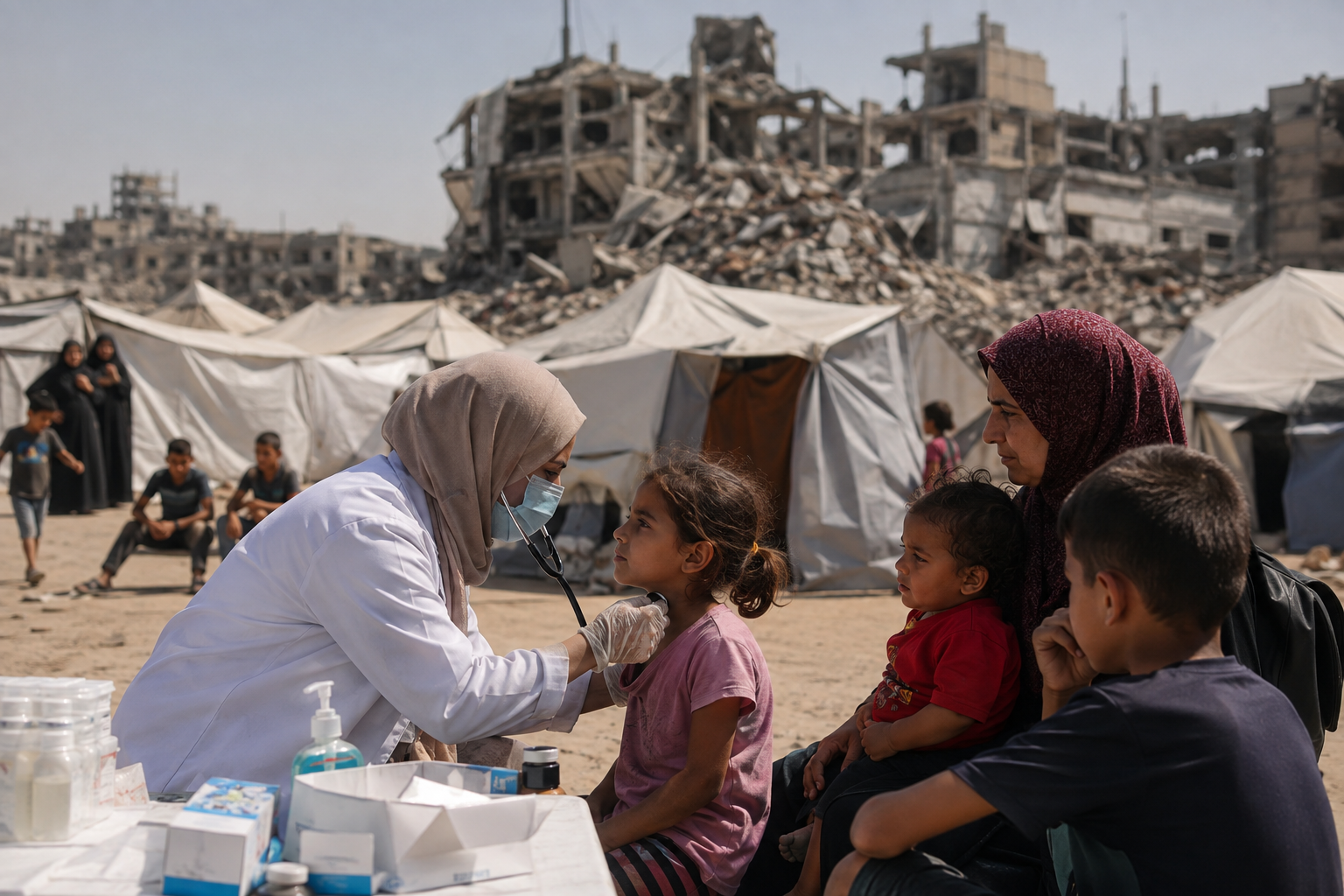
Health officials are also seeing a significant rise in acute diarrhea cases. The number of reported cases has increased from around 27,000 in March to more than 48,000. Poor water quality and inadequate sanitation can increase the risk of diseases spreading, particularly in crowded areas where people have limited access to clean water and healthcare.
The coming rainy season could make these problems even worse.
Heavy rain could cause flooding in areas where sewage systems and waste-management facilities are damaged or not functioning properly. Contaminated sewage and waste could mix with rainwater and spread into places where displaced people are sleeping, cooking and caring for their families.
This could increase the risk of waterborne diseases and other health problems.
The situation is especially dangerous for children, older people and others who may already be vulnerable because of poor living conditions and limited access to healthcare.
Despite the worsening conditions, the WHO says there is still an opportunity to prevent a much larger health disaster.
The agency is calling for humanitarian supplies to be allowed into Gaza quickly and without major delays. These supplies include materials needed to provide temporary and permanent shelter, equipment for clean-water systems and resources for managing sewage and waste.
The WHO also says more laboratory supplies are urgently needed. Better laboratory capacity would allow health workers to identify the causes of illnesses and respond more quickly if disease outbreaks occur.
Humanitarian organizations have repeatedly warned about Gaza’s damaged water and sanitation infrastructure. Doctors Without Borders said earlier this year that water access had become a major concern, pointing to estimates that a large majority of Gaza’s water and sanitation infrastructure had been damaged or destroyed.
As winter approaches, humanitarian and health officials fear that flooding could turn the existing water and sanitation problems into a much larger emergency.
For people already struggling with displacement, damaged homes and limited access to basic services, the rainy season could bring another serious challenge.
The WHO is therefore urging immediate action to improve access to clean water, sanitation, shelter and medical supplies before heavy rains begin.
Summary
The World Health Organization (WHO) is warning that Gaza could face a serious public health crisis as winter rains approach. Water contamination has increased sharply, while cases of acute diarrhea have nearly doubled since March. With much of Gaza’s water, sewage and sanitation infrastructure damaged, heavy rain could spread contaminated water and waste into crowded shelters. The WHO says urgent humanitarian supplies, clean water systems, shelter materials and medical laboratory equipment are needed to prevent the situation from becoming worse.
Content
×
![]()