
The European Union and NATO have promised to take stronger action against Russia following what European leaders describe as a new escalation of Russian activities on European soil.
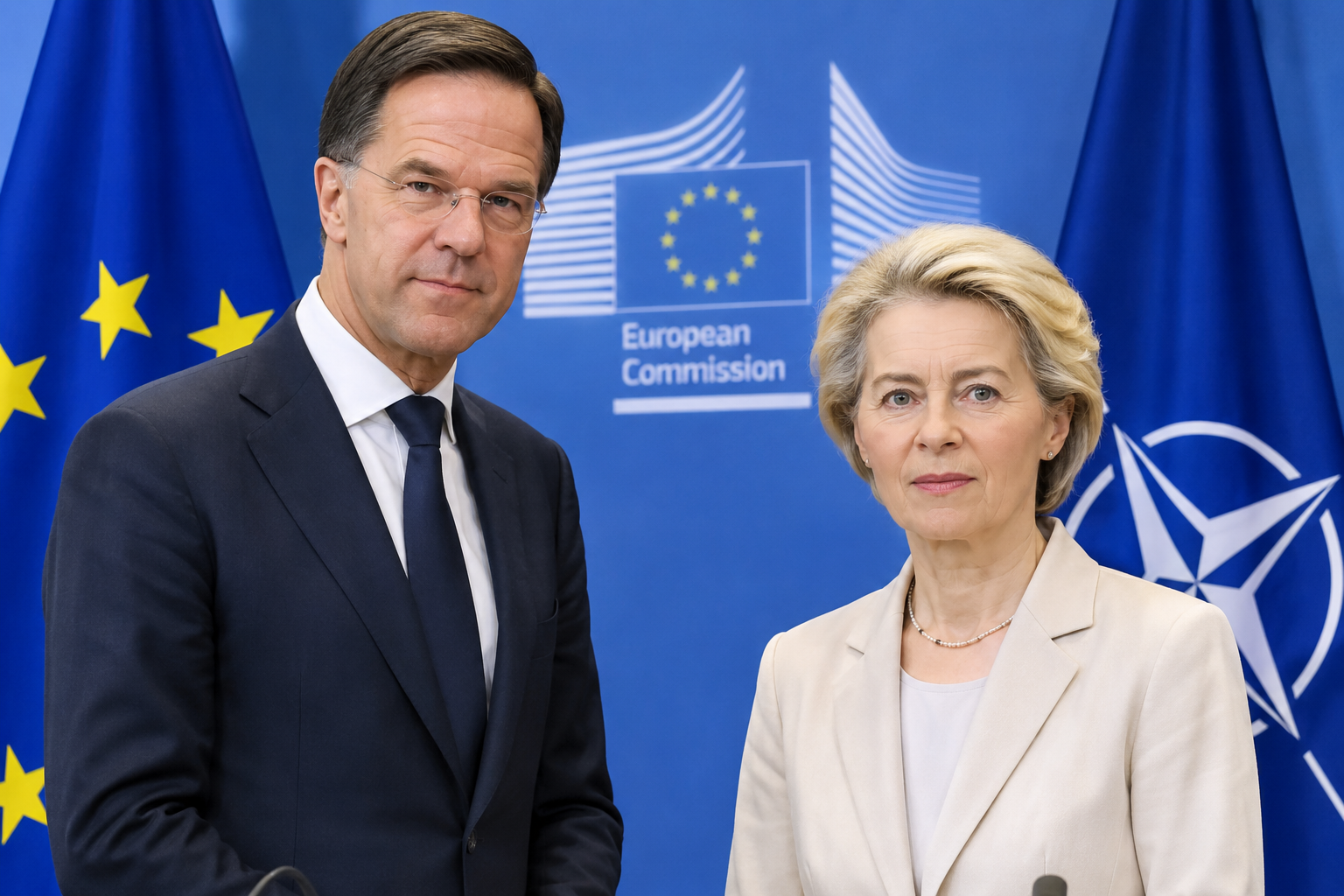
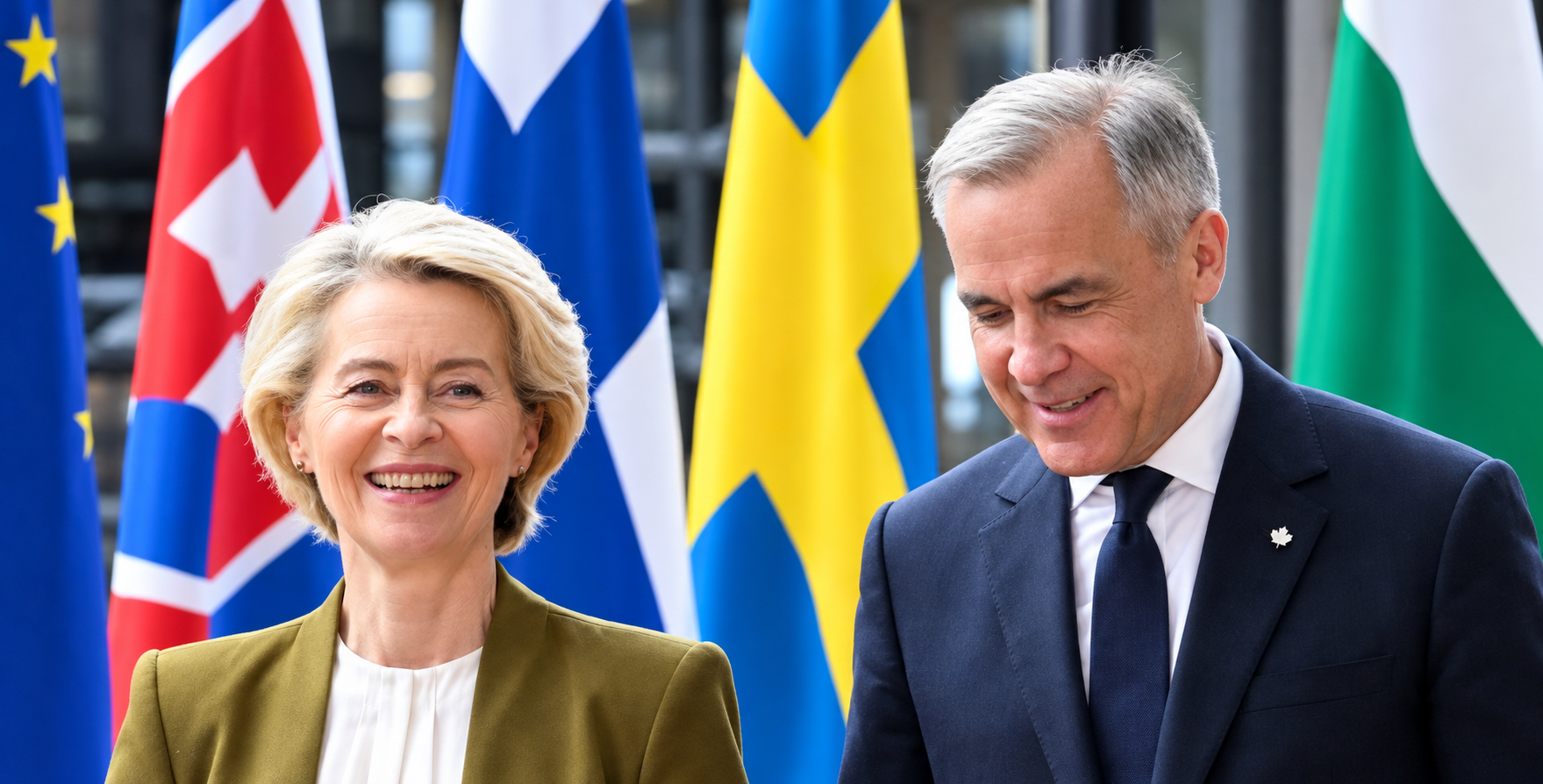
European Commission President Ursula von der Leyen and NATO Secretary General Mark Rutte said Russia was becoming increasingly reckless. They said European countries needed to work together and respond more quickly to threats linked to Russia.
The latest tensions began after Germany accused Russia of being behind a failed drone attack at Leipzig/Halle Airport. German authorities said a drone carrying explosives was discovered at the airport on 4 August. The airport is important because it is used by NATO and regularly handles Ukrainian Antonov transport aircraft.
The drone was reportedly made safe by a robot. A second drone is believed to have crashed into another cargo aircraft. German authorities later reported that a third drone was found at the airport about 10 days after the first incident.
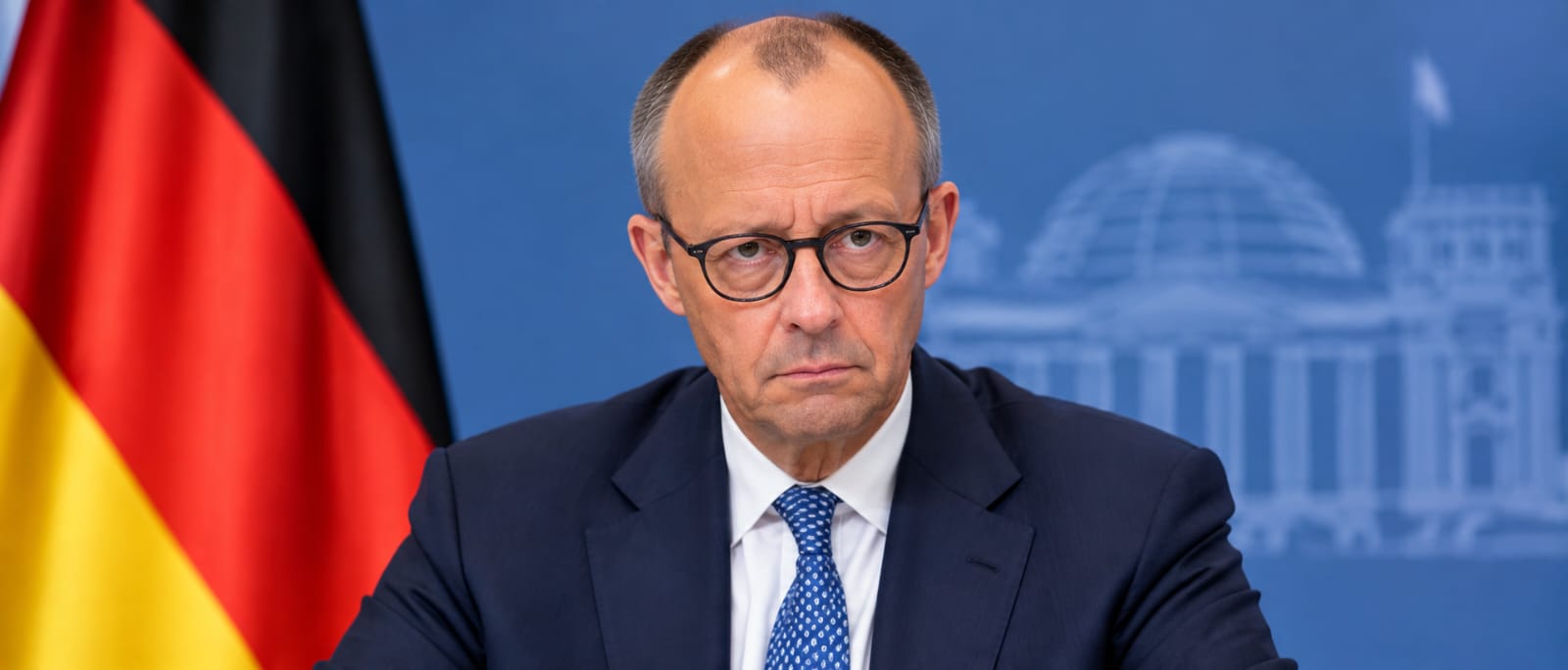
Germany announced on Tuesday that investigations by police and intelligence agencies had led officials to conclude that Russia was responsible. German Interior Minister said the drone's design, parts, explosives and detonator were similar to equipment previously linked to Russian activities.
German authorities have reportedly identified two suspects. One is described as a Belarusian national who also holds a Russian passport and entered Germany using a tourist visa. The second reportedly has Latvian and Russian passports. German officials believe the suspects may have links to the operation.
Russia has strongly rejected Germany's accusations. Moscow says Germany has not provided convincing evidence to support its claims. The Russian Foreign Ministry summoned Germany's chargé d'affaires and described Berlin's accusations as completely unfounded.
Germany has responded by announcing measures against Russian institutions. Berlin plans to close the Russian consulate in Bonn and the Russian House cultural institution. German officials have accused the Russian House of being used to spread Kremlin propaganda.
Russian officials have warned that Moscow will respond in a similar way. Russian President Vladimir Putin called Germany's actions a serious mistake and said they did not serve the interests of the German people. Russian Deputy Foreign Minister Alexander Grushko also said that a complete break in diplomatic relations was possible, although he said Russia was still giving diplomacy a chance.
The European Union is now considering further measures against Russia. EU foreign ministers have discussed stronger enforcement of existing sanctions and new restrictions on Russian citizens. Some European governments support tougher visa rules for Russian tourists and former Russian fighters.
European officials are also considering further action against Russia's so-called "shadow fleet". These are ships that Russia is accused of using to transport oil and other goods while avoiding Western sanctions.
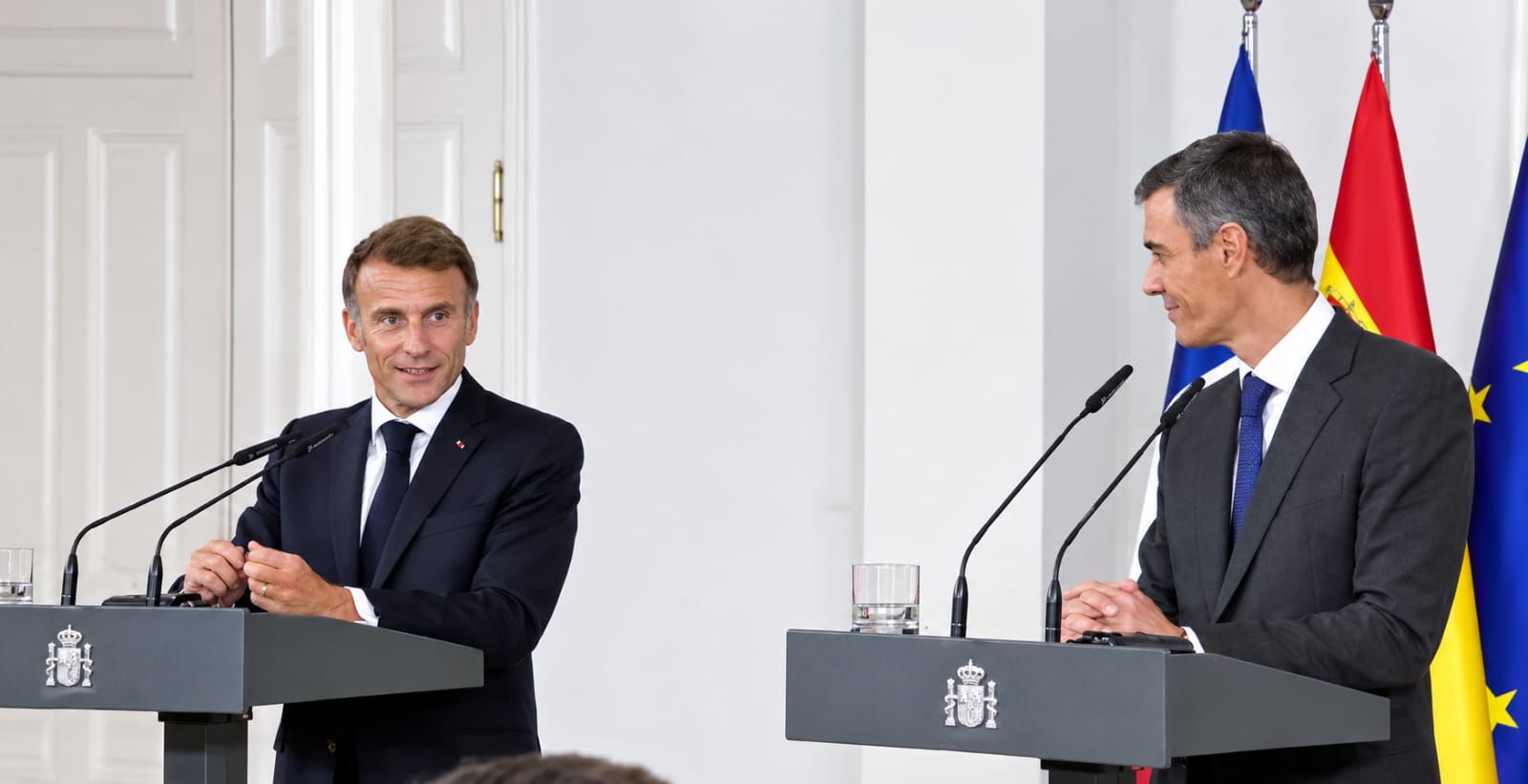
Another major issue is the use of frozen Russian assets to support Ukraine. Several EU countries, including Sweden, the Netherlands, Poland and Spain, support using more than €193 billion in frozen Russian assets to help Ukraine. Belgium has opposed the idea because many of these assets are held in Belgium and the country fears it could face legal and financial risks.
The Leipzig airport incident is not the only recent security concern in Europe. Germany has reported suspected sabotage against electricity infrastructure. Two electricity substations were targeted in separate incidents. In one case near Bergheim, several power lines were damaged, causing several power plant units to stop operating.
German police found six launching devices in a field while investigating the incident. Authorities have not yet confirmed who was responsible. Officials are considering several possibilities, including sabotage directed by a foreign government and domestic extremist activity.
There have also been suspicious incidents in Poland. Prime Minister Donald Tusk said a fire at a factory producing combat drones was a deliberate act of arson and sabotage. Another factory fire in the city of Lublin is also being investigated.
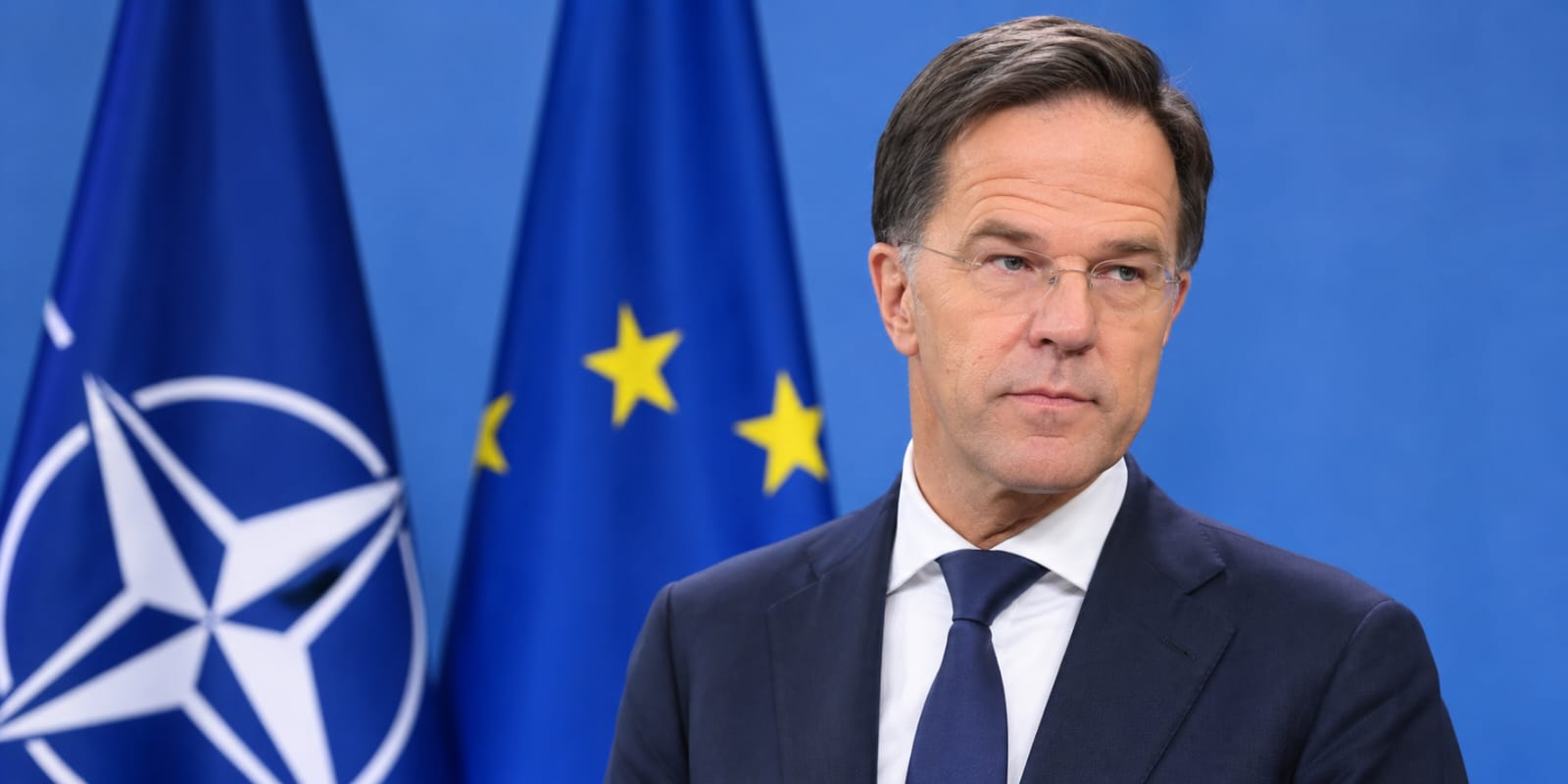
NATO Secretary General Mark Rutte said European countries face growing risks from drones, missiles and other hostile activities. He said NATO remains fully behind Germany and its allies.
Von der Leyen said Europe would continue increasing economic and political pressure on Russia. She also said the EU would look for ways to reduce the money available to Russia for its war effort.
At the same time, European countries are increasing their support for Ukraine. The EU has already agreed to provide Ukraine with a €90 billion loan. Ukraine has also requested additional money to help purchase PAC-3 air defence missiles. Europe and Ukraine are working together on a planned missile defence project known as Freyja.
The latest developments show that the conflict between Russia and Ukraine is increasingly affecting security across Europe. European leaders are concerned not only about the war in Ukraine but also about drones, cyber threats, sabotage and attacks on important infrastructure.
For now, Russia denies involvement in the Leipzig incident and other suspected attacks. However, Germany and its European allies say they believe Russia is using a wider campaign of so-called hybrid activities against European countries.
The EU and NATO now face the challenge of responding strongly while avoiding a direct military confrontation with Russia. European leaders say they will continue supporting Ukraine and increasing pressure on Moscow until Russia stops its attacks on Ukraine.
Summary
The European Union and NATO have promised to increase pressure on Russia after Germany accused Moscow of being behind a failed drone attack at Leipzig/Halle Airport. European leaders say the incident is part of a wider pattern of Russian activities targeting European countries. Germany has also reported suspected attacks on electricity infrastructure, while Poland is investigating possible sabotage at factories. Russia has rejected the accusations and warned that it may respond to Germany's actions.
Content
×
![]()