
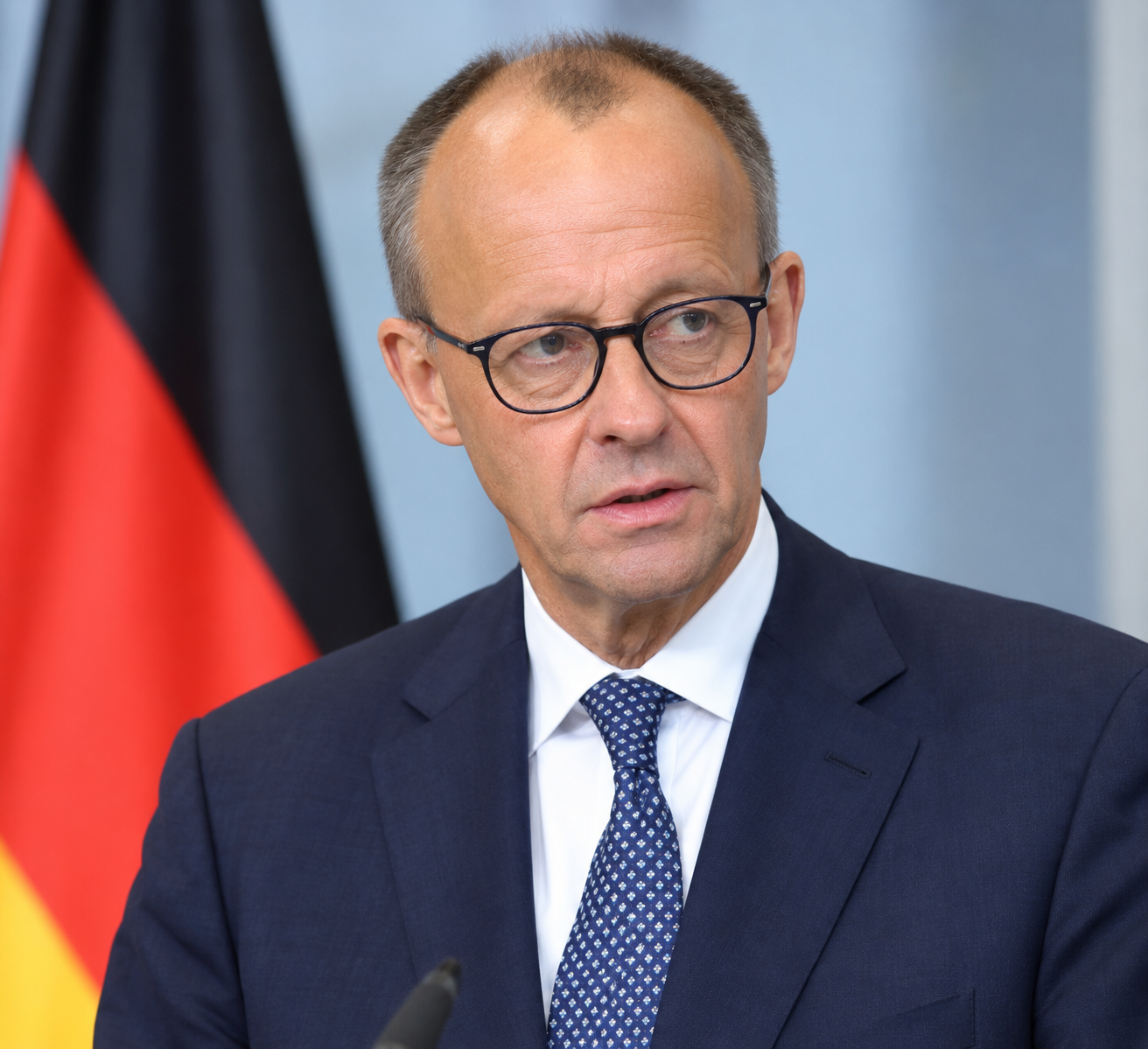
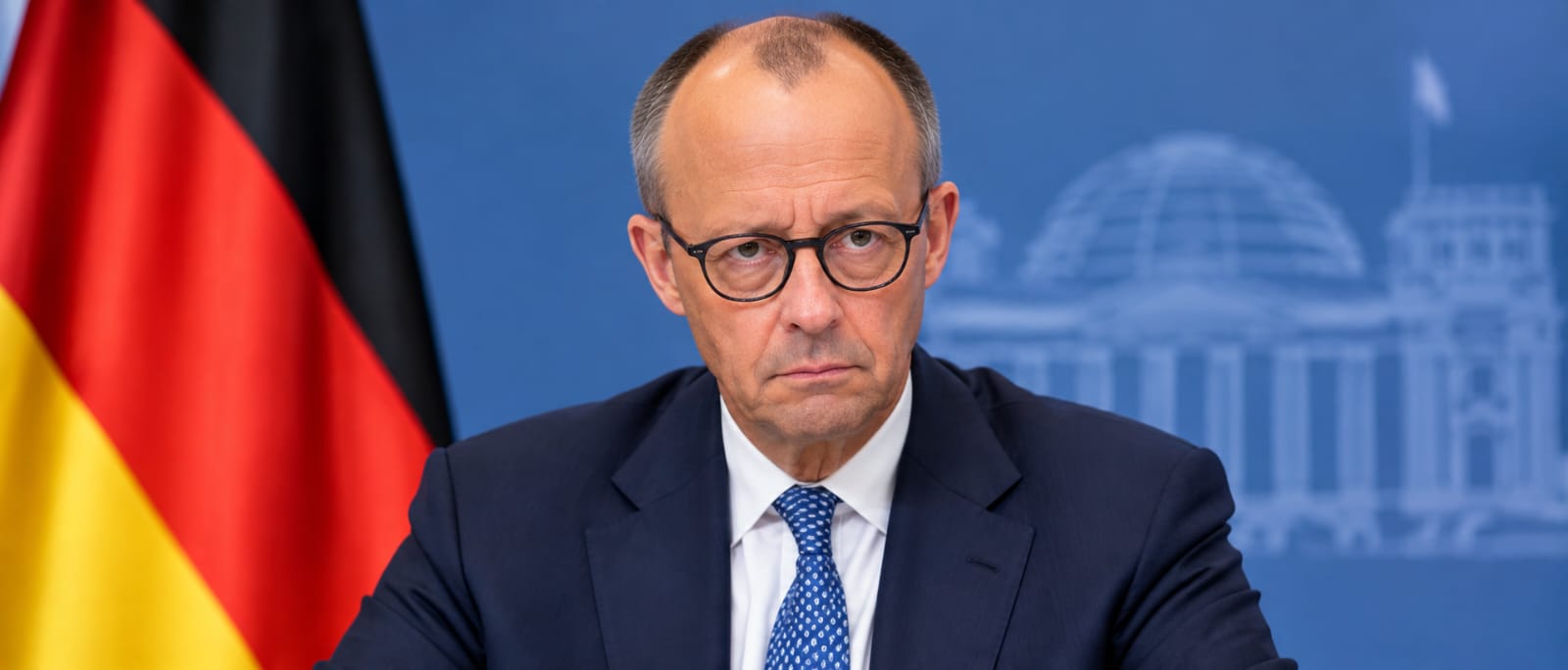
German Chancellor Friedrich Merz has warned that Germany is losing industrial jobs on a large scale and said the government must act to reverse the trend.
Merz stressed that Germany’s industrial sector remains very important to the country’s economy. He said Germany must continue to be an industrial nation because a large part of the country’s prosperity depends on strong industries and well-paid jobs.
The chancellor’s comments come as Germany faces challenges in its manufacturing sector. Rising energy costs, international competition and changes in global trade have put pressure on German companies. Merz said Germany cannot simply accept a long-term decline in industrial employment.
According to Merz, protecting Germany’s industrial base is closely connected to protecting the country’s economic strength and living standards.
At the same time, Merz said Germany must invest heavily in new technology and digital infrastructure. He pointed to the rapid construction of data centers across the country.
Merz acknowledged that data centers require large amounts of electricity. He said this can create additional pressure on some areas, particularly those responsible for producing and supplying energy. However, he argued that Germany should continue making use of opportunities to expand digital infrastructure.
The chancellor also spoke about Germany’s changing position in science and research. He said people from many countries are coming to Germany, including Americans who now see the country as an attractive place for scientific research.
Merz said Germany’s universities offer an environment focused on openness, academic freedom, science and research. He suggested that this atmosphere could make German universities more attractive to international researchers.
He also welcomed closer cooperation between German universities and the Bundeswehr, Germany’s armed forces. Merz said universities have largely moved away from rules that previously limited military-related research, often known as “civil clauses.”
Under the new approach, universities can work with the Bundeswehr on research and technology projects. Supporters say such cooperation can help Germany develop advanced technologies and strengthen national security.
Merz also emphasized that Germany has moved away from ethnic nationalism. He said Germany has “left nationalism behind” and would never again allow ethnic nationalism to take hold in the country.
Overall, Merz’s remarks highlight several major priorities for Germany: protecting industrial jobs, expanding digital infrastructure, supporting scientific research and maintaining an open society.
His message is that Germany needs to modernize while keeping its industrial strength. The government faces the challenge of supporting traditional industries while also investing in technologies that could shape the country’s future.
Summary
German Chancellor Friedrich Merz says Germany must remain a strong industrial country because jobs and economic prosperity depend on it. He also supports expanding data centers, scientific research and cooperation between universities and the military. Merz says Germany has moved away from nationalism and wants the country to remain open to international researchers and new ideas.
Content
×
![]()