
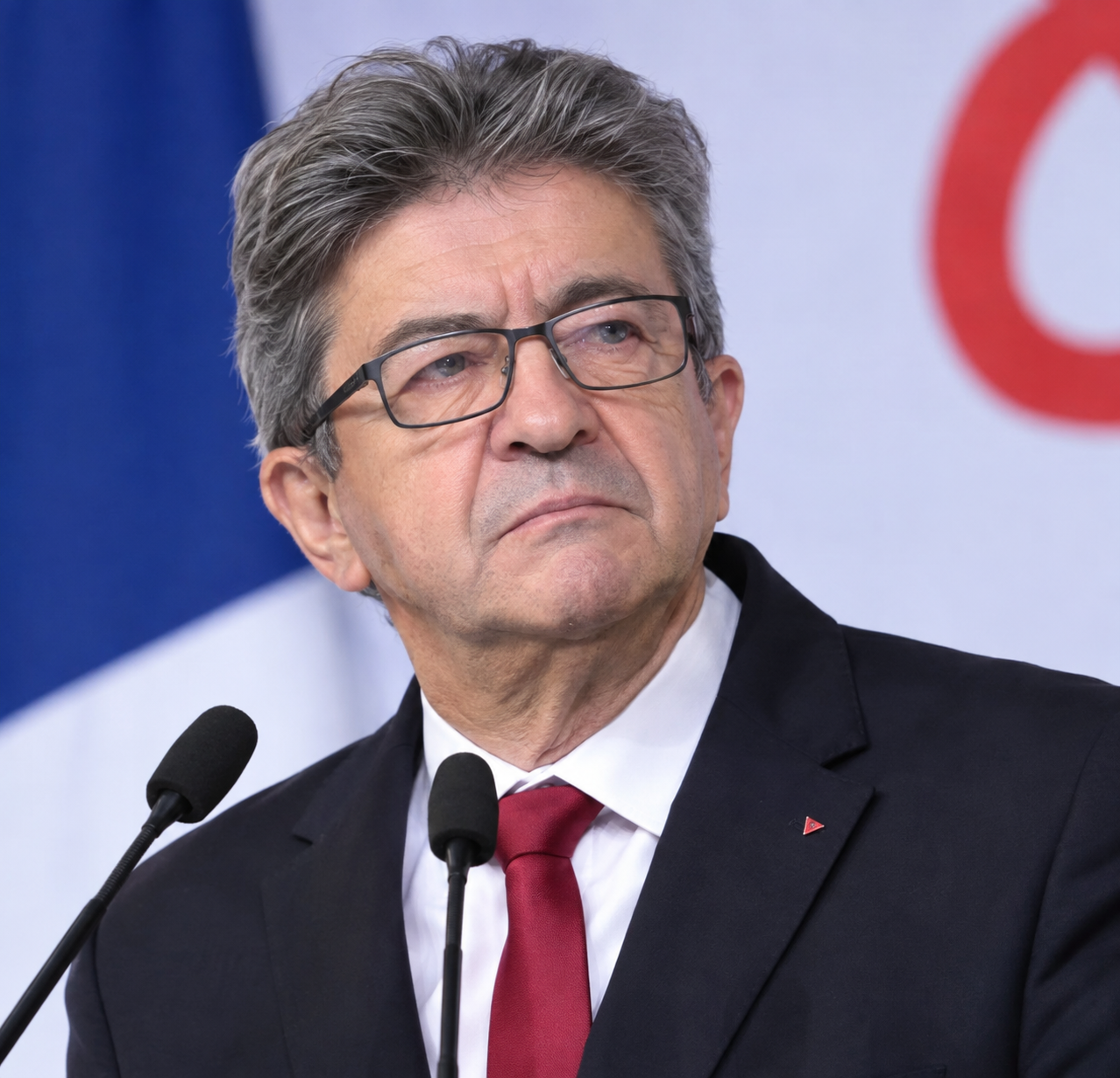
French presidential candidate Jean-Luc Mélenchon has criticized Germany’s plans to build what he describes as Europe’s first major conventional army, saying the project is unacceptable after the far-right Alternative for Germany (AfD) won a historic election victory in the German state of Saxony-Anhalt.
The AfD received around 44% of the vote, becoming the strongest party in the state election. The result was a major setback for Chancellor Friedrich Merz’s conservative CDU, which received only about 17%. However, the AfD fell short of an outright majority and other major parties have refused to work with it.
Mélenchon, leader of the left-wing La France Insoumise (LFI) movement, said the German election result showed the failure of Europe’s traditional political leadership. He argued that Germany’s plan to strengthen its military should be viewed differently after the AfD’s strong performance.
His comments reflect wider concerns in France about the rise of the far right in Germany. French government officials have also described the AfD victory as a serious warning for Europe. The party is known for its strong anti-immigration policies and positions that favor closer relations with Russia.
Mélenchon has also put forward a controversial economic proposal involving French government debt. He wants the European Central Bank (ECB) to cancel the French government debt it currently holds. He argues that this could reduce France’s financial burden and give the government more room to invest in public services and the economy.
According to reports, the ECB holds around 18% of France’s public debt. Mélenchon says the cancellation should be negotiated at the European level rather than carried out by France alone.
However, the proposal has faced strong opposition. Joachim Nagel, president of Germany’s central bank, has argued that European treaties do not allow the ECB to simply cancel government debt. He warned that such a move could weaken the independence of the central bank and create serious economic risks.
The debate over Germany’s military plans and France’s debt highlights growing political divisions across Europe. Germany is increasing its defense spending and strengthening its military, while the rise of the AfD has raised concerns among politicians who fear that far-right influence could affect Germany’s future policies.
Mélenchon’s latest comments therefore connect two major European issues: Germany’s growing military power and the rise of the far right, alongside his own proposals for changing Europe’s economic policies.
Summary
French presidential candidate Jean-Luc Mélenchon says France should oppose Germany’s plan to build Europe’s largest conventional army after the far-right AfD won a major victory in Saxony-Anhalt. He also wants the European Central Bank (ECB) to cancel part of France’s debt.
Content
×
![]()